
 Algeria
 Egypt
 Libya
 Morocco
 Sudan
 Tunisia
 Benin
 Burkina Faso
 Cabo Verde
 Côte d'Ivoire
 Ghana
 Guinea
 Guinea-Bissau
 Liberia
 Mali
 Mauritania
 Niger
 Nigeria
 Sierra Leone
 The Gambia
 Togo
 Cameroon
 Central African Republic
 Chad
 DR Congo
 Equatorial Guinea
 Gabon
 Republic of the Congo
 São Tomé and Príncipe
 Burundi
 Comoros
 Djibouti
 Eritrea
 Ethiopia
 Kenya
 Madagascar
 Malawi
 Mauritius
 Mozambique
 Rwanda
 Seychelles
 Somalia
 South Sudan
 Tanzania
 Uganda
 Angola
 Botswana
 Eswatini
 Lesotho
 Namibia
 South Africa
 Zambia
 Zimbabwe
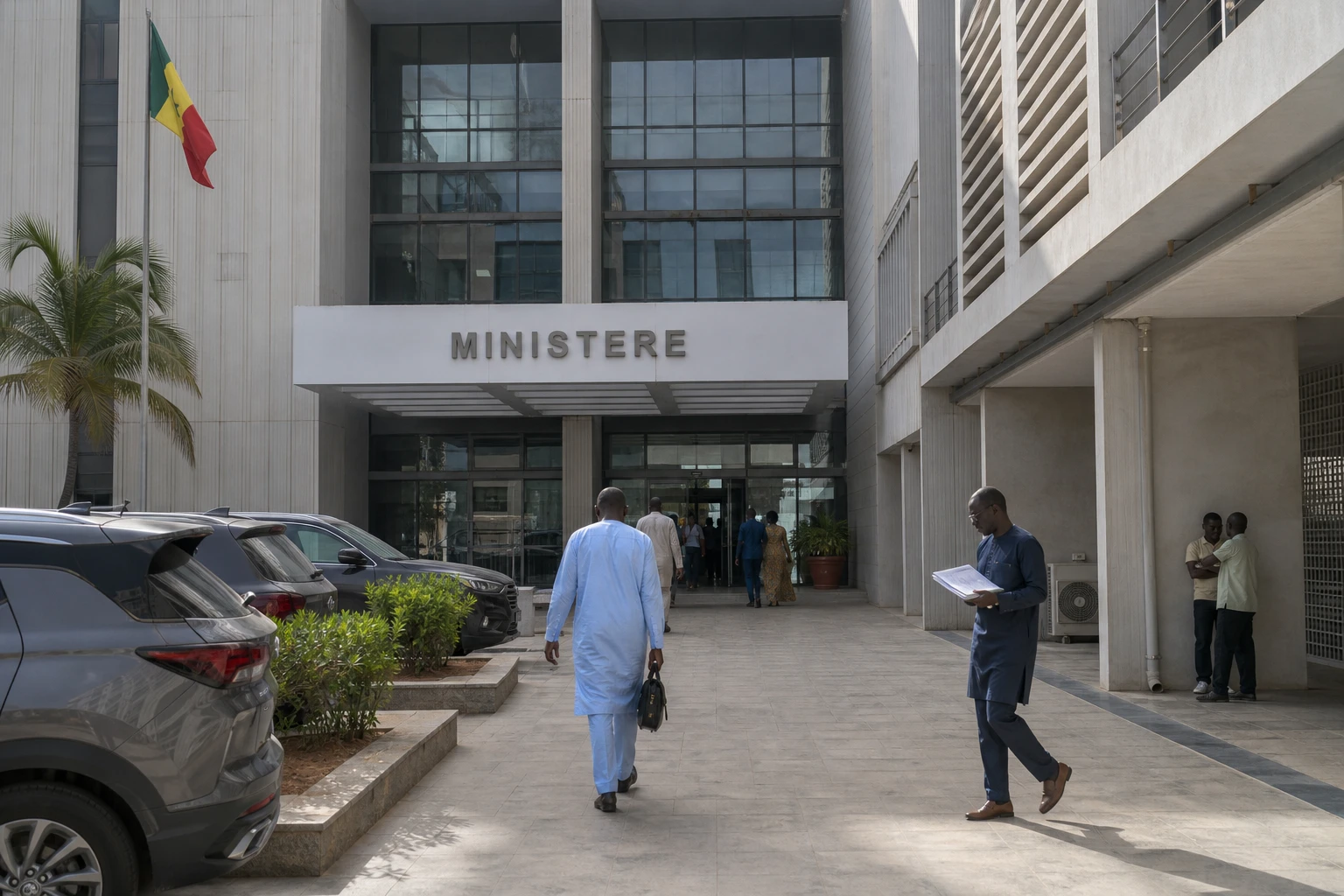
A digital gamble that goes beyond the promise of a cheque
In Senegal, digital investment announcements are no longer judged solely by their size. They are also measured by their ability to create skilled jobs, keep data in the country and help local businesses emerge. It is against this backdrop that Cybastion’s commitment, presented in Washington on 14 September 2026, takes on significance beyond that of a simple funding deal.
President Bassirou Diomaye Faye was on an official visit to the United States at the time, ahead of a planned stop in the United Arab Emirates. This diplomatic sequence forms part of a strategy to diversify Senegal’s economic partners, as Dakar seeks to give concrete substance to its Senegal 2050 Vision and its New Deal for Technology, launched in February 2025 to make the country a major player in Africa’s digital economy.
In this context, the announcement of around $300 million is not solely about cybersecurity. It also covers data centres, the fight against cybercrime, technology transfer and skills development. In other words, it targets the very foundations of Senegal’s digital sovereignty.
What Cybastion’s commitment entails
The Cybastion delegation, led by its chief executive, Thierry Wandji, set out several areas for digital co-operation. The US group says it wants to support major projects in Senegal, with an announced allocation of around $300 million. The announcement was reported on 14 September 2026 by the Senegalese presidency and several local media outlets, including Leral, which specified the sectors targeted.
The areas cited are clear: cybersecurity, the fight against cybercrime, data centres, technology transfer and skills development. The human element is not secondary. In the digital sector, infrastructure matters, but skills matter just as much. Without locally trained engineers, technicians, analysts and administrators, platforms remain dependent on outside experts.
Another point deserves attention: Cybastion says it wants to involve Senegal’s technology ecosystem in rolling out the projects, particularly local start-ups. This choice addresses a major challenge for Dakar. The country wants to avoid major digital projects being limited to imports of equipment and services. Instead, it is seeking to create a more local, deeper and more useful value chain for the national economy.
This approach aligns with priorities already set out by the Senegalese presidency. The New Deal for Technology’s reference document emphasises universal internet access, digital identity, the digitalisation of government and the emergence of national champions able to make their mark beyond the country’s borders. It presents digital transformation as a lever for sovereignty and competitiveness.
Why Dakar is putting digital sovereignty at the centre
Senegal is not starting from scratch. For several years, the authorities have sought to reduce their technological dependence while modernising the state. The new strategic framework, Senegal 2050, confirmed this ambition by placing the digital transition at the heart of public and economic transformation. The presidency also stresses that a sustainable, connected territory depends on modern infrastructure and mastery of digital tools.
This priority also has a security dimension. Cybersecurity is no longer an issue reserved for big businesses. It concerns government departments, banks, telecommunications, hospitals and tax services. The more a country digitises its procedures, the more it must protect its networks, databases and payment platforms. For a state seeking to accelerate the shift to digital services, this is essential, not a luxury.
Senegal is also facing budgetary pressure. The authorities have embarked on a public-finance recovery and efforts to rationalise government action. In this context, foreign private-sector partnerships are being sought to finance major projects without placing the entire burden on the national budget. But this openness requires safeguards: clear governance, measurable local benefits and control over sensitive data.
The signal sent in Washington is therefore as political as it is economic. Bassirou Diomaye Faye is advocating relations with investors based on mutual benefit. He wants to show that Senegal can attract capital while retaining control of its priorities, skills and strategic assets. This message is part of a broader approach to economic sovereignty, as the Senegalese president also chairs ECOWAS, the Economic Community of West African States.
A Senegalese project, but a West African issue
Beyond Senegal, this announcement resonates across West Africa. States in the region are rapidly digitising services, but remain exposed to cyberattacks, dependence on external infrastructure and a shortage of local skills. The debate over data centres, data protection and technical training is therefore regional, not merely national.
Senegal occupies a particular position in this regard. Dakar is seeking to establish itself as a hub for services, finance and innovation in the sub-region. The success of this kind of project will nevertheless depend on its actual implementation: the timetable, where infrastructure is located, the involvement of Senegalese companies, young people’s access to digital-sector jobs and the ability to keep the equipment running over time.
Comparisons with other projects on the continent also highlight the importance of method. Cybastion has previously been associated with digital programmes elsewhere in Africa, notably involving critical infrastructure. Experience matters, but it does not remove the need for close local oversight. For Dakar, the real question is not simply how to secure $300 million. It is what share of that value will remain in the Senegalese economy.
The next steps will be closely watched. It remains to be seen whether the announcement leads to signed agreements, projects getting under way and visible benefits for start-ups, engineers and public services. The project’s credibility will be judged at this level. In a country that wants to make digital technology a pillar of its sovereignty, promises are no longer enough. Infrastructure, talent and governance must match the ambition.



