Algeria
 Egypt
 Libya
 Morocco
 Sudan
 Tunisia
 Benin
 Burkina Faso
 Cabo Verde
 Côte d'Ivoire
 Ghana
 Guinea
 Guinea-Bissau
 Liberia
 Mali
 Mauritania
 Nigeria
 Senegal
 Sierra Leone
 The Gambia
 Togo
 Cameroon
 Central African Republic
 Chad
 DR Congo
 Equatorial Guinea
 Gabon
 Republic of the Congo
 São Tomé and Príncipe
 Burundi
 Comoros
 Djibouti
 Eritrea
 Ethiopia
 Kenya
 Madagascar
 Malawi
 Mauritius
 Mozambique
 Rwanda
 Seychelles
 Somalia
 South Sudan
 Tanzania
 Uganda
 Angola
 Botswana
 Eswatini
 Lesotho
 Namibia
 South Africa
 Zambia
 Zimbabwe
A Sahel route growing in scale
In Niamey, cocaine trafficking is about more than policing. It also says something about porous borders and the movement of weapons, capital and local protection in the Sahel. In a region where roads link the Atlantic, the desert and the Mediterranean, each seizure reveals a fragment of a much larger clandestine economy.
Niger lies at the heart of this geography. The country shares sensitive corridors with Mali, Libya, Burkina Faso, Nigeria and Chad. It is also caught in a regional environment weakened by coups, cross-border trafficking and shifting security alliances. In this context, the fight against drugs is not an isolated issue. It involves the justice system, customs, police, armed forces and local authorities.
Recent studies by the United Nations Office on Drugs and Crime confirm that Africa has become a transit and destination region for cocaine. The agency notes that seizures on the continent increased more than twentyfold between 2015 and 2024. In the Sahel, it has observed a marked rise in interceptions, with a peak in 2022 and Niger accounting for a significant share of the volumes seized.
Visible seizures, a deeper market
The latest figures show that Niger is not merely a transit country. In 2025, the Nigerien authorities announced 9,289 arrests linked to narcotics, including around 8,000 Nigeriens and 1,200 foreign nationals, as well as 56 kilos of cocaine seized during the year, according to the interior minister, quoted by the Nigerien News Agency. The same figures identified known routes to the Maghreb and to countries on the Gulf of Guinea.
Another indication came from the country’s east-central region. In May 2026, the Central Office for the Suppression of Illicit Drug Trafficking presented a record seizure of 268.045 kilos of cocaine in the Zinder region, with eight people arrested. The authorities spoke of a structured network and ongoing investigations in several countries in the sub-region.
These announcements extend a trend already visible in 2024. Niger’s justice ministry said, on the International Day against Drug Abuse and Illicit Trafficking, that 7,788 people had been arrested for drug-related offences in 2024. The same figures, based on data from OCRTIS, included 10 tonnes of cannabis herb, 30 kilos of cannabis resin, 3 kilos of cocaine and 5 kilos of crack.
The message is clear: cocaine is only part of a broader market, in which cannabis, diverted medicines and synthetic drugs are intertwined. Trafficking generates quick profits. It also fuels corruption, armed protection for convoys and the ability of some networks to move from one border to another.
Why Niger matters in the Mali-Niger-Libya corridor
Niger is not just a point on a map. UNODC analysis shows that some consignments seized in the Sahel have travelled between Mali, Niger and Libya. The agency cites, in particular, the seizure in January 2022 of 214 kilos of cocaine in Niger, which had come from Gao in Mali and was destined for Libya. It also notes that a consignment of 215 kilos was intercepted in 2022 in the official vehicle of the mayor of Fachi, north-east of Agadez, on a route linking Mali to Libya.
This geographical detail matters enormously. Agadez, Zinder, Gaya and Dosso are not just the names of regions. They are transit and control points, and sometimes points to circumvent. When formal routes become harder to use, clandestine networks adapt quickly. They use major trade routes, unmarked vehicles, local accomplices and areas where the state lacks a sustained presence. This is one reason trafficking withstands high-profile crackdowns.
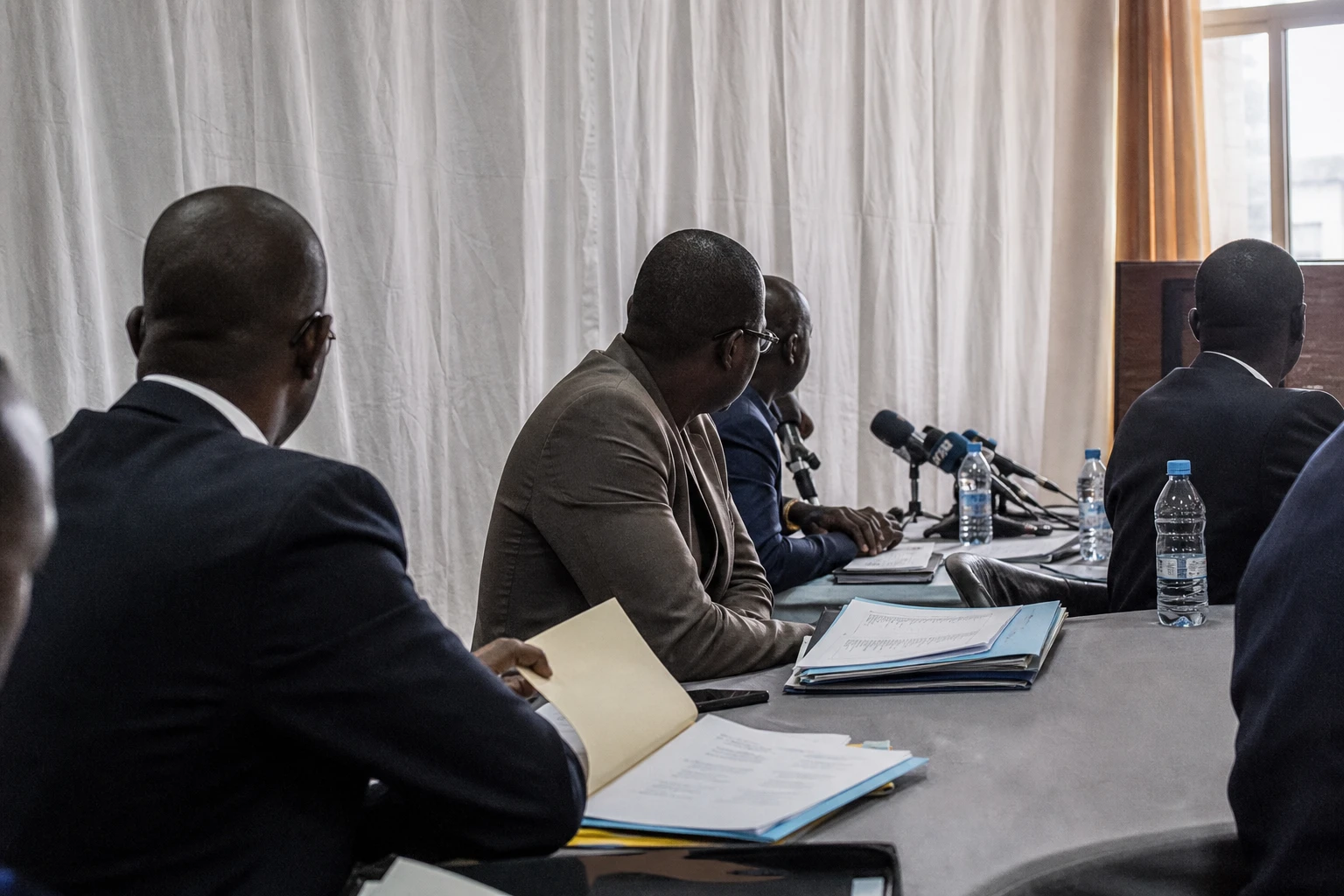
The Nigerien authorities are not absent from the issue. The national police regularly report anti-drug operations in several departments, including Gaya, Konni, Matameye, Gouré and Niamey. As early as December 2023, they announced that Niamey’s Airport Anti-Trafficking Unit had seized 12.145 kilos of cocaine. These announcements demonstrate a genuine effort to enforce controls, but also the scale of the work that remains.
What the case says about Sahelian security
In the Sahel, cocaine trafficking does not only finance criminal networks. It can also sustain protection systems, local intermediaries and, according to several recent analyses, actors linked to the state or armed groups. This makes the issue more sensitive than a simple smuggling case. The drug moves along with alliances, arrangements and grey areas.
For local communities, the impact is tangible. Local markets face pressure from drugs and psychotropic substances. Young people become targets for recruitment or drug use. Security services, meanwhile, have to cover an immense territory with uneven resources. Magistrates face complex cases, sometimes involving several countries, that require stable judicial cooperation between neighbouring states.
For governments, the challenge goes beyond seizures. They must track the money, transport networks, accomplices and money-laundering channels. They must also strengthen information-sharing with transit countries and regional organisations, as the Alliance of Sahel States seeks to build up its judicial and security cooperation. The fight against drugs then becomes a test of institutional capacity.
Across the continent, Niger illustrates a wider reality: cocaine no longer travels only through ports on the West African coast. It also crosses the continent’s interior, using its tracks, networks and gaps in control. This Sahelian hinterland is what turns a trade originating in South America into a fully-fledged African problem. And for Niamey and its neighbours, an important part of security in the months ahead is at stake here.