Algeria
 Libya
 Morocco
 Sudan
 Tunisia
 Benin
 Burkina Faso
 Cabo Verde
 Côte d'Ivoire
 Ghana
 Guinea
 Guinea-Bissau
 Liberia
 Mali
 Mauritania
 Niger
 Nigeria
 Senegal
 Sierra Leone
 The Gambia
 Togo
 Cameroon
 Central African Republic
 Chad
 DR Congo
 Equatorial Guinea
 Gabon
 Republic of the Congo
 São Tomé and Príncipe
 Burundi
 Comoros
 Djibouti
 Eritrea
 Ethiopia
 Kenya
 Madagascar
 Malawi
 Mauritius
 Mozambique
 Rwanda
 Seychelles
 Somalia
 South Sudan
 Tanzania
 Uganda
 Angola
 Botswana
 Eswatini
 Lesotho
 Namibia
 South Africa
 Zambia
 Zimbabwe
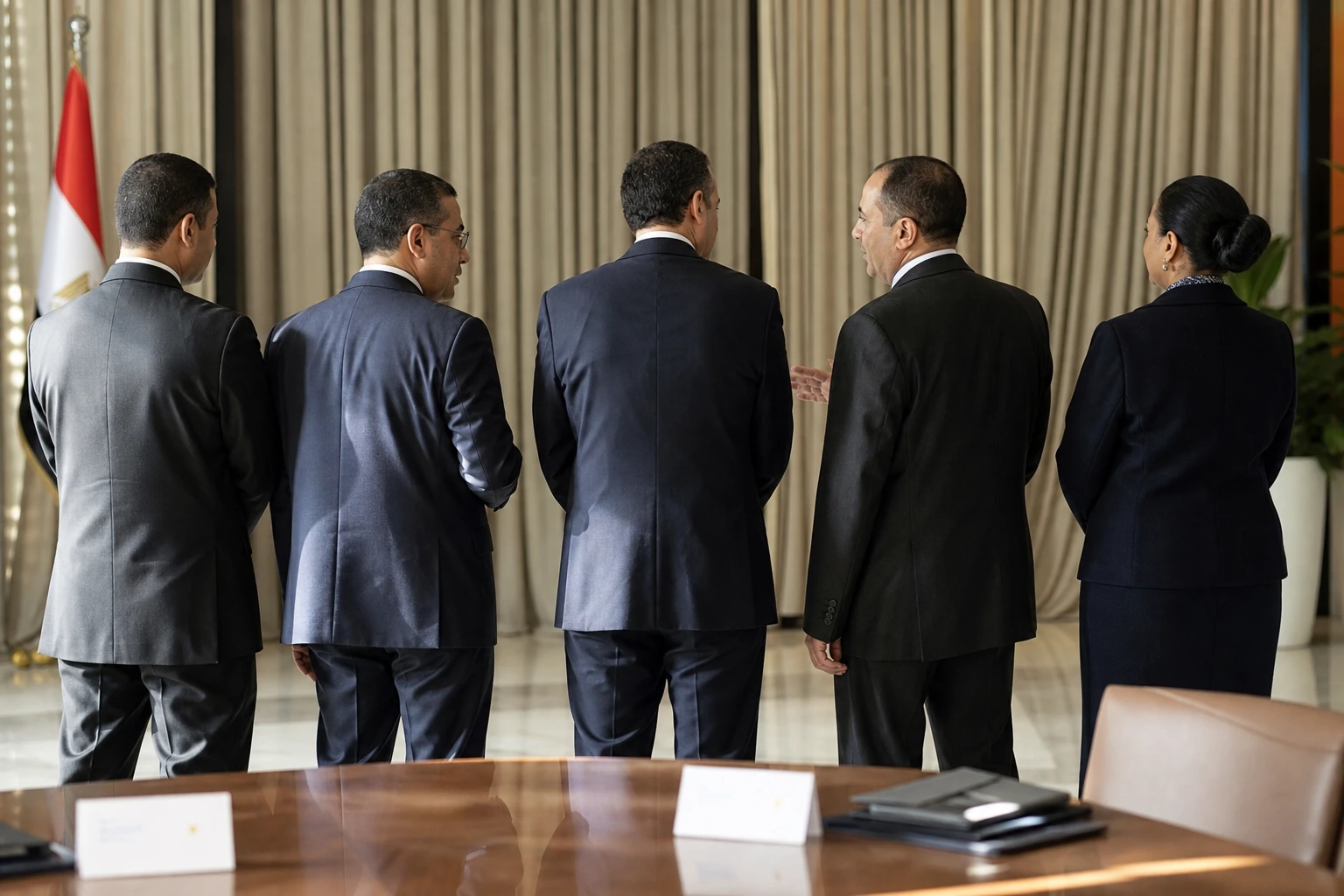
In the battery era, Cairo seeks to move from market to factory
In an economy where every kilowatt counts, the challenge is no longer simply to buy clean equipment. It has become strategic to manufacture it, then integrate it into a local industrial chain. This is precisely the path Egypt is following as the energy transition accelerates demand for storage, traction batteries and components for electric vehicles.
This move is part of a trajectory already under way in Cairo, Egypt’s capital, focused on local production and reducing the import bill. For several years, Egyptian authorities have reiterated their goal of raising the share of renewable energy to 42% of the electricity mix by 2035, while promoting the local manufacture of energy equipment.
Industrial deal initially targets commercial vehicles, then storage
On 13 September 2025, Egyptian company BME signed a contract with Chinese group CATL to establish a battery systems factory in Egypt. The first phase is set to reach annual capacity of 1 GWh, with an initial investment of more than 2 billion Egyptian pounds, or about $39 million, and a target of 40% local content. These figures have been confirmed by several Egyptian sources.
The project is to begin with batteries for heavy commercial vehicles. A second phase is then expected to raise capacity to 5 GWh a year and expand production to batteries for passenger cars, as well as storage solutions for solar and wind power. CATL will provide the technology, production equipment and technical assistance.
The timetable is linked to a broader diplomatic context. In late August 2025, Egyptian Prime Minister Mostafa Madbouly met several Chinese officials in Tianjin, after which Chinese President Xi Jinping confirmed Beijing’s support for joint plans in renewable energy, electric vehicles and components for energy projects. Cairo has also invited Chinese companies to invest in the electric vehicle industry and establish operations in the Suez Canal Economic Zone.
What Egypt stands to gain, and what it still needs to build
For Egypt, the benefits are clear. Local production reduces logistics times, limits some imports and can create an industrial base around electricity storage. The stakes go beyond electric cars alone. In a country developing its solar and wind power plants, batteries are also becoming a tool for grid stability, particularly during periods of peak demand.
The decision to focus first on heavy vehicles is no accident. This segment is often quicker to develop than a still-immature mass market. It also makes it possible to test system reliability, train technicians and build an initial network of local subcontractors before moving into passenger cars and stationary storage. This is an industrial learning strategy, rather than a mere image-building announcement. This interpretation follows from the phases and applications set out in the agreement.
The challenge, however, remains considerable. The 40% local-content requirement for the first phase shows that dependence on imported components will not disappear overnight. Cells, chemistry, manufacturing equipment and some of the expertise remain concentrated abroad. The real question, therefore, is one of technology transfer, training and the development of Egyptian suppliers capable of keeping pace.
CATL brings considerable weight to the project. The company says it retained the global lead in traction batteries and storage battery shipments in 2025, according to its annual report published in 2026. It also claims global production capacity of 772 GWh in 2025. This industrial strength helps explain why it is being sought out in several markets looking to localise production.
Beyond the contract, a signal for North Africa and the continent
For Egypt, this project resonates beyond its borders. The country is seeking to position itself as an industrial platform between Africa, the Middle East and Europe. The Suez Canal Economic Zone, already presented by the authorities as a logistics and manufacturing lever, could serve as an anchor for value chains linked to electric vehicles, solar power and storage.
This strategy also responds to a broader continental reality. In 2025, demand for solar power and storage systems increased in Africa, while dependence on imported equipment remained high. BloombergNEF analyses have shown that China already dominated a large share of solar equipment and battery imports in some African markets. The challenge for several states, therefore, is to turn a purchasing relationship into local production capacity.
The agreement signed by BME and CATL is part of this shift. It says something about the new industrial contest taking shape in North Africa: capturing the added value of green technologies, not merely consuming them. If implementation delivers, Egypt could strengthen its position in the regional energy economy. If the transfer of expertise remains limited, the project will amount chiefly to an assembly operation. That is where its real significance will be decided.