Algeria
 Egypt
 Libya
 Morocco
 Sudan
 Tunisia
 Benin
 Burkina Faso
 Cabo Verde
 Côte d'Ivoire
 Ghana
 Guinea
 Guinea-Bissau
 Liberia
 Mali
 Mauritania
 Niger
 Nigeria
 Senegal
 Sierra Leone
 The Gambia
 Togo
 Cameroon
 Central African Republic
 Chad
 DR Congo
 Equatorial Guinea
 Gabon
 Republic of the Congo
 São Tomé and Príncipe
 Burundi
 Comoros
 Djibouti
 Eritrea
 Kenya
 Madagascar
 Malawi
 Mauritius
 Mozambique
 Rwanda
 Seychelles
 Somalia
 South Sudan
 Tanzania
 Uganda
 Angola
 Botswana
 Eswatini
 Lesotho
 Namibia
 South Africa
 Zambia
 Zimbabwe
When philanthropy moves up a gear
In Venice, a charity auction did more than raise funds. Above all, it sought to shift the centre of gravity of a network founded in Poland towards a broader sphere of exchange, where Europe, Africa and the creative industries meet on the same ground. At events of this kind, the sum raised matters, of course. But the political and cultural signal matters just as much.
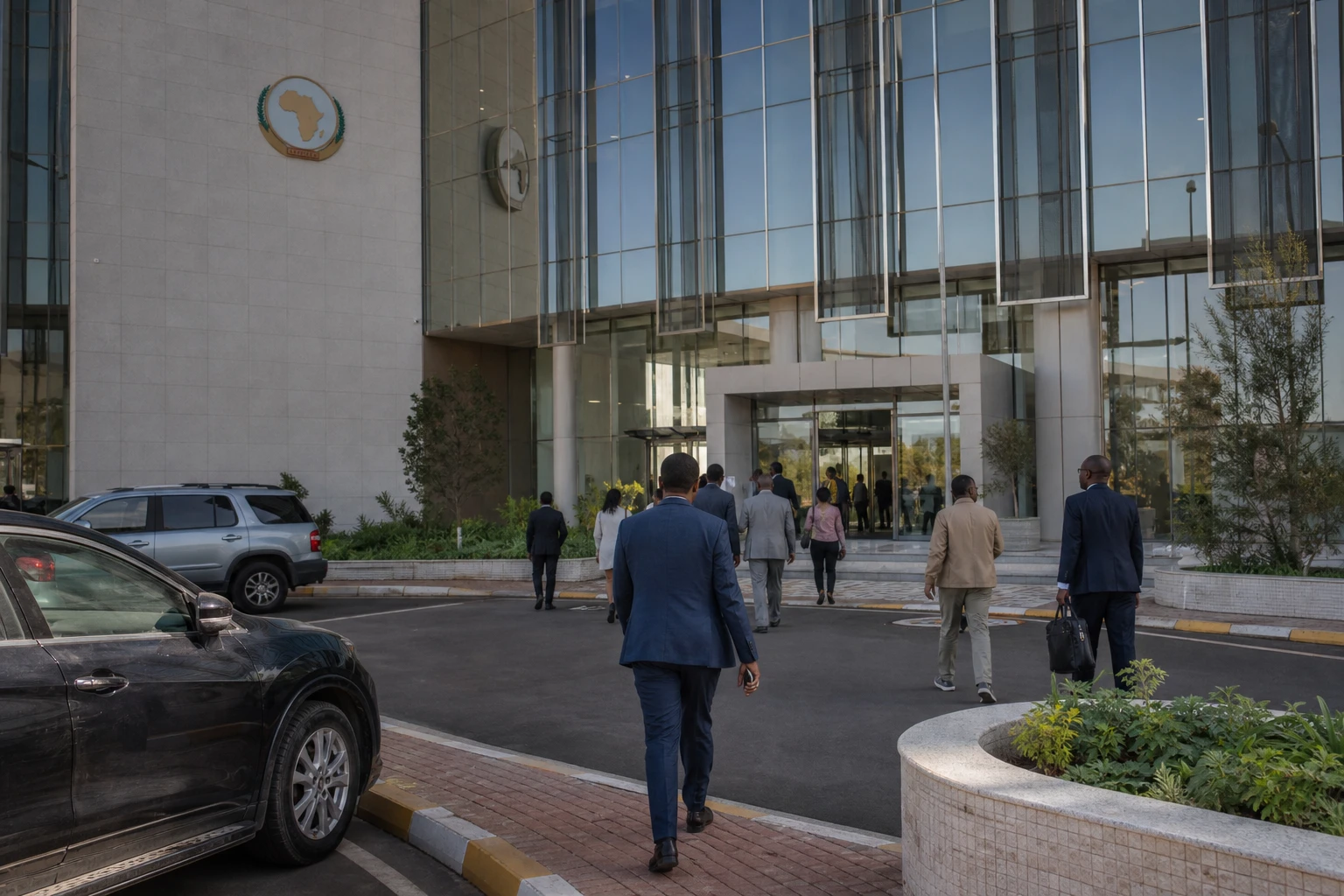
The setting is no accident. Venice is hosting the 61st Art Biennale this year, and the city remains a symbolic crossroads for international artistic exchange. Meanwhile, Addis Ababa remains another African centre of gravity: it is home to the African Union headquarters and to some of the institutions that shape the continent’s diplomacy. Ethiopia is also a member of IGAD, the Horn of Africa’s regional cooperation organisation, and is one of its founding states.
What happened at the Hotel Cipriani
On 10 September, Venice’s Hotel Cipriani hosted the first Italian edition of Top Charity, billed as the first international outing for the initiative founded in Warsaw in 2022. According to the organisers, the evening raised €3.034 million for social, educational and cultural projects. Patrons, collectors, artists and entrepreneurs came together for an auction featuring both conventional lots and so-called “experiences”.
The sum was lower than that raised in Warsaw, where the May 2026 edition reached around €20 million in 90 minutes, but the aim was different. The challenge was to take the event from a national setting onto a more international stage. The organisers say they have already mobilised more than €55 million since 2022 and supported 238 projects.
The evening also followed a three-year framework agreement signed in Paris a few days earlier between UNESCO and Omenaa Mensah’s foundation. The agreement provides for a €1 million commitment from the foundation towards education, culture, heritage and the creative economy. UNESCO says the partnership makes the foundation the first Polish private foundation to work with it in this way.
Ethiopia as a story beyond the gala
In Venice, Ethiopia was not treated as mere exotic scenery. It served as a narrative thread. One of the most prominent lots was an eight-day private expedition entitled “At the Cradle of Civilisation: Ethiopia and Eritrea”, which sold for €390,000. Another highlight was the presence of African artists in the auction selection. Ethiopian painter Tegene Kunbi, whose work is on display this year in Ethiopia’s pavilion at the Venice Biennale, was represented by a work that sold for €60,000.
This choice says something important. Ethiopia is a country where contemporary art is gaining international visibility, while historical and spiritual heritage continues to fuel powerful narratives. The references to the Queen of Sheba and King Solomon in the evening’s staging draw on this ancient imagery, but take on new meaning when they serve as a bridge to educational and heritage projects. The risk with this kind of staging is always that a country is reduced to a symbol. The value here is that the symbol was tied to concrete funding.
In the Ethiopian context, this international visibility also resonates with Addis Ababa’s importance as the continent’s diplomatic capital. The African Union is based there, as are several regional mechanisms linking Ethiopia to the Horn of Africa and the wider IGAD region. In other words, a cultural event organised in Europe can now showcase artists, as well as African narratives that travel well beyond the art market.
What the initiative says about power dynamics
This philanthropic initiative illustrates a clear shift: contemporary African art is no longer merely invited; it is becoming a tool for fundraising, soft diplomacy and networking. This movement benefits social and cultural project leaders first and foremost, giving them access to new sources of funding. It also benefits African artists, whose presence in an auction of this calibre can broaden recognition and raise prices. However, it raises questions about the real role African institutions have in setting priorities and governing the funds raised.
The question is not merely aesthetic. It is also political. When a European initiative presents itself as a bridge between continents, an African perspective demands scrutiny of who chooses the themes, who benefits from the proceeds, and who is left out. The language of partnership can be fruitful. It is more so when underpinned by identifiable African stakeholders, institutions on the continent and verifiable programmes. That is precisely what the UNESCO partnership seeks to highlight, at least in its stated intention.
The Ethiopian case is a reminder, finally, that narratives about East Africa now circulate in several spaces at once: Addis Ababa for diplomacy, the Horn of Africa for security and mobility, Venice for art, Paris for cultural agreements, and Warsaw for private philanthropy. This circulation can support worthwhile projects. It can also concentrate considerable symbolic power far from the countries concerned. That is where the next chapter will be decided: in how the pledged funds are disbursed, how African artists are involved, and how Ethiopia is presented—not as a motif, but as a cultural partner in its own right.