Algeria
 Egypt
 Libya
 Sudan
 Tunisia
 Benin
 Burkina Faso
 Cabo Verde
 Côte d'Ivoire
 Ghana
 Guinea
 Guinea-Bissau
 Liberia
 Mali
 Mauritania
 Niger
 Nigeria
 Senegal
 Sierra Leone
 The Gambia
 Togo
 Cameroon
 Central African Republic
 Chad
 DR Congo
 Equatorial Guinea
 Gabon
 Republic of the Congo
 São Tomé and Príncipe
 Burundi
 Comoros
 Djibouti
 Eritrea
 Ethiopia
 Kenya
 Madagascar
 Malawi
 Mauritius
 Mozambique
 Rwanda
 Seychelles
 Somalia
 South Sudan
 Tanzania
 Uganda
 Angola
 Botswana
 Eswatini
 Lesotho
 Namibia
 South Africa
 Zambia
 Zimbabwe
A country’s strength is also measured by what it leaves behind
In Morocco, the question is no longer simply whether the country has gained influence. It has become more demanding: is this move upmarket genuinely improving daily life, from the industrial coastline to inland cities? Recent figures show a Kingdom stronger than it was ten years ago, but also a country where the benefits of growth are still felt unevenly.
This tension neatly sums up the current debate in Morocco. The country has consolidated its diplomatic, logistical and industrial strengths. Yet youth unemployment remains high, and regional disparities remain clear between major urban centres, dynamic Atlantic regions and rural areas more exposed to droughts and irregular incomes.
A more connected state, a more diverse economy
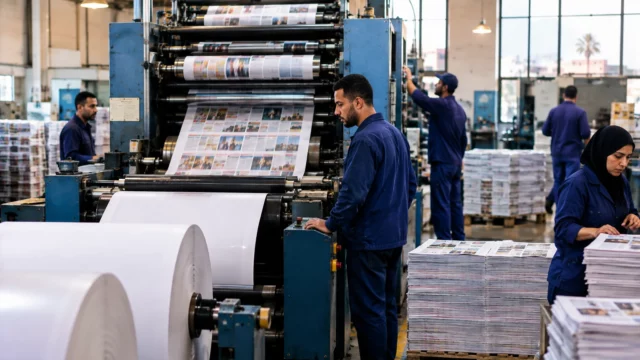
Morocco has built its strength on a long-term strategy. Rabat has invested in infrastructure, moving up the industrial value chain, services, finance, tourism, renewable energy and a stronger presence across the African continent. The African Development Bank notes that Moroccan growth accelerated to 4.7% in 2025, up from 3.8% in 2024, driven by investment, consumption and a recovery in sectors such as agriculture, industry, construction and tourism.
The Kingdom is not merely an economy producing more. It is also a platform linking North Africa with Europe and the west of the continent. Its logistical position, openness to trade and ability to attract capital have strengthened its regional role. The World Bank describes a country at the crossroads of Europe, Africa and the Middle East, with a diversified economy in which industry and services are playing an increasingly important part, even as agriculture remains crucial for rural employment and incomes.
This transformation did not happen by chance. It rests on public and private investment, industrial zones better integrated into value chains, and infrastructure projects that support exports. Morocco has also emerged as a more visible African player in strategic sectors, from fertilisers and cars to port logistics and financial services.
The downside of the model: work is not always enough
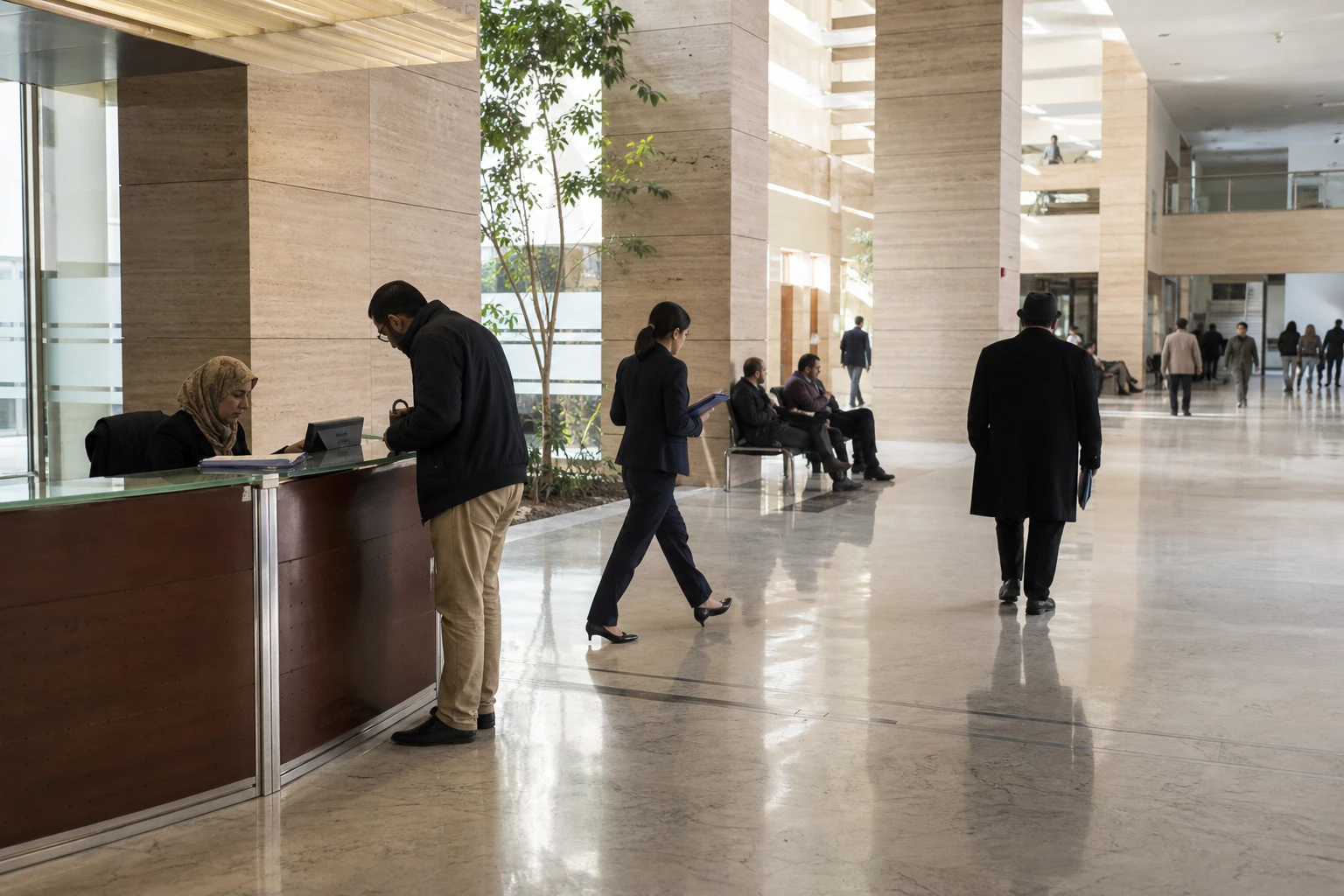
But economic strength does not erase social vulnerabilities. Data from the High Commission for Planning show a labour market still under pressure. The activity rate barely changed between 2023 and 2024, while unemployment among 15- to 24-year-olds rose to 36.7% in 2024, from 35.8% a year earlier. This means some young people remain shut out of a labour market capable of offering stable opportunities.
The problem is not only quantitative. It is also regional and social. Morocco has reduced some monetary poverty and strengthened certain social safety nets, but disparities remain stark between cities and the countryside, coastlines and hinterlands, formal jobs and the informal economy. The HCP also notes that progress in several rural municipalities targeted by the National Initiative for Human Development has not dispelled the notion of a two-speed country.
In other words, the central question is not whether growth exists. It does. The real question is who benefits from it. Employees in major industrial centres, tourism service providers and exporting businesses benefit more from this momentum than young graduates without a first job, precarious workers or people living in regions less connected to the main development corridors.
A country’s strength is also reflected in its ability to redistribute
The debate in Morocco points to a broader question, relevant to many African countries: can power remain legitimate if it does not translate into a perceptible improvement in living conditions? The answer depends less on rhetoric than on concrete policies. Productive jobs, better training, more equitable public services and a stronger flow of investment to less advantaged regions are needed.
Morocco has advantages that are rare in Africa: institutional stability, the ability to deliver, financial reach, economic diplomacy and a position in value chains that matter for the continent’s future. The Kingdom’s influence in Africa is no longer limited to official visits or speeches of friendship. It also extends through banks, ports, fertilisers, telecommunications, industry and trade corridors.
But this external influence cannot be sustained if the country’s interior falls behind. The High Commission for Planning forecasts strong growth in 2026, at around 5% in the first quarter and then 4.7% in the second, driven by agriculture and services. This recovery could strengthen economic activity. On its own, however, it will not be enough to absorb demographic pressure from young people or correct the disparities between economic centres and outlying areas.
What Morocco tells the rest of the continent
Across Africa, the Moroccan example is a reminder of an often-forgotten truth: strength is not only a matter of size or diplomatic reach. It is judged by the quality of the productive base, resilience to climate shocks, the ability to create jobs and the way wealth circulates between regions and generations.
That is why Morocco’s experience matters well beyond Rabat. In an Africa where growth is returning but remains fragile, the Kingdom serves as a test case: can international appeal, regional integration and domestic redistribution be combined? The next test will lie in labour-market reforms, reducing regional inequalities and the country’s ability to turn its industrial lead into genuine social mobility.