
 Algeria
 Egypt
 Libya
 Morocco
 Sudan
 Tunisia
 Benin
 Burkina Faso
 Cabo Verde
 Côte d'Ivoire
 Ghana
 Guinea
 Guinea-Bissau
 Liberia
 Mali
 Mauritania
 Niger
 Nigeria
 Senegal
 Sierra Leone
 The Gambia
 Togo
 Cameroon
 Central African Republic
 Chad
 DR Congo
 Equatorial Guinea
 Gabon
 Republic of the Congo
 São Tomé and Príncipe
 Burundi
 Comoros
 Djibouti
 Eritrea
 Ethiopia
 Kenya
 Madagascar
 Malawi
 Mauritius
 Mozambique
 Rwanda
 Seychelles
 Somalia
 South Sudan
 Tanzania
 Uganda
 Angola
 Botswana
 Eswatini
 Lesotho
 Namibia
 Zambia
 Zimbabwe
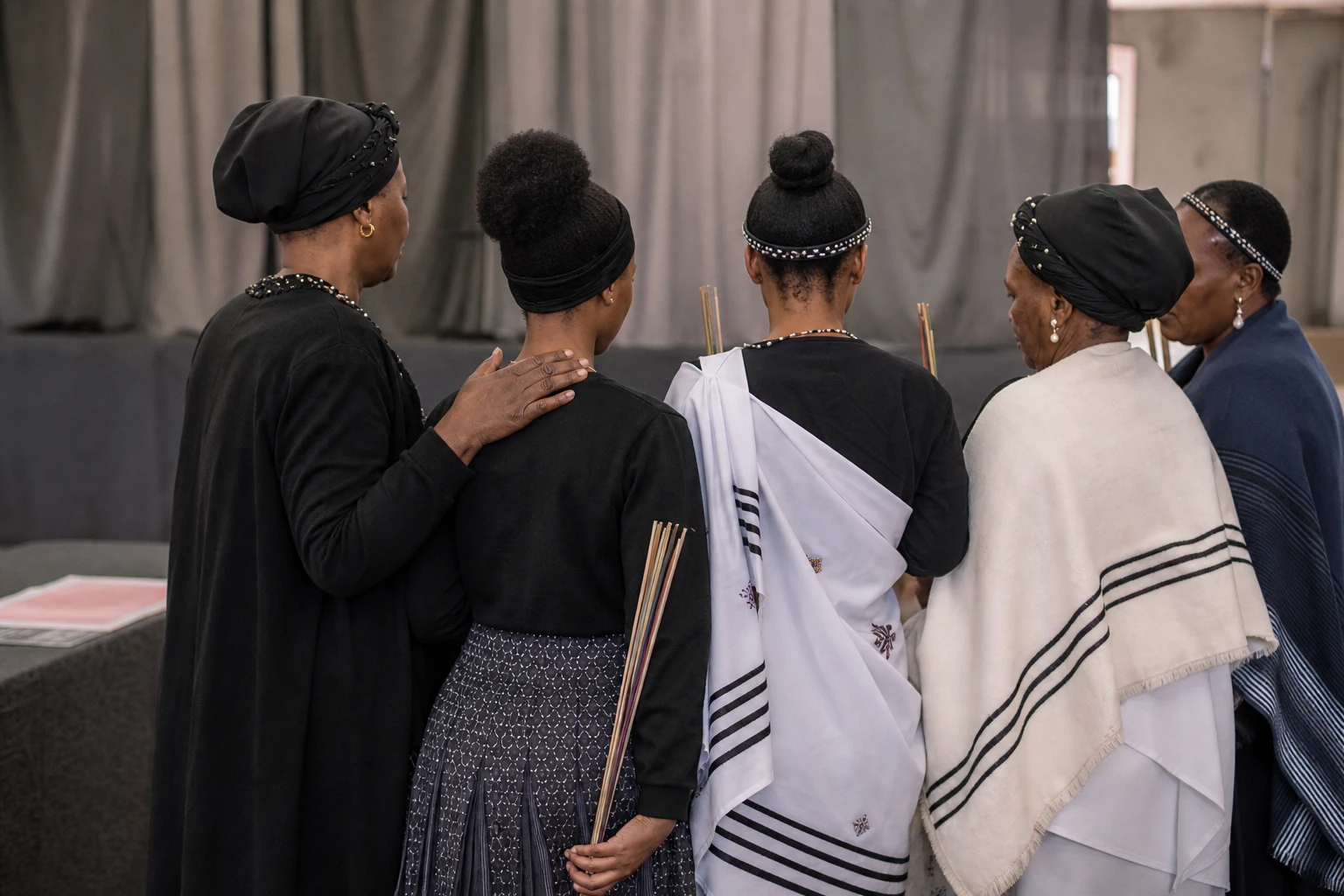
A ceremony that speaks as much to heritage as to the future
In Ingwavuma, in northern KwaZulu-Natal, thousands of young Zulu women gathered for the annual uMkhosi woMhlanga ceremony, known in English as the Reed Dance. The ritual is ancient, but its meaning is very much of the present: it is about passing on cultural memory, reaffirming community values and giving young women a visible place in a public calendar in which September is Heritage Month in South Africa.
This year, the ceremony once again took place in a specific institutional context. KwaZulu-Natal, the South African province most closely associated with the Zulu kingdom, issued numerous messages of support for the event, while national authorities noted that September also brings Heritage Month, Tourism Month and other official commemorations. In this part of southern Africa, tradition is not merely a backdrop: it engages with provincial government, local tourism and traditional leadership institutions.
In Ingwavuma, the rite remains a collective affair
The principle is well known. Dressed in traditional attire, participants sing and dance before presenting a reed to the Zulu king, Misuzulu kaZwelithini. The act appears simple. Yet it carries several messages at once: attachment to the Zulu language and customs, the place of families, and the continuity of a customary monarchy that remains influential in South Africa’s public life. Provincial authorities describe the ceremony as a moment of dignity, respect and family values.
The eMachobeni site, near Ngwavuma, and the royal palace attract participants each year from different parts of KwaZulu-Natal. In 2024, South African media reported that tens of thousands of young women had gathered for the Nongoma edition, illustrating the event’s growth over the years. In 2026, road authorities even stepped up checks ahead of a new edition, showing that the ceremony involves significant transport, supervision and security operations.
The presence of older instructors, including a 71-year-old chaperone mentioned in initial coverage, points to another aspect of the rite: transmission. Here, learning does not happen only through official speeches. It takes place through example, repetition, discipline and the guidance of younger participants by older women and the royal household. In a society where debates about identity, young people’s sexuality, child protection and the place of tradition remain sensitive, this dimension gives the ceremony a social significance that goes well beyond folklore.
What the Zulu gathering reveals about KwaZulu-Natal
KwaZulu-Natal is not defined solely by Durban or its major economic corridors. The province also carries significant cultural weight, with a traditional monarchy that remains visible in public life. The ceremony’s backing by provincial bodies and attendance by government officials show that the South African state engages with this heritage rather than keeping it at arm’s length. This coexistence illustrates a defining feature of the country: institutional modernity and customary authority exist side by side, sometimes in tension, often pragmatically.
The event must also be viewed in the context of the local economy. In September, Heritage Month and Tourism Month coincide. Cultural ceremonies then generate activity for transport, accommodation, small-scale vendors, artisans, security services and rural municipalities. In a place such as Ingwavuma, far from major urban centres, the impact is not insignificant. It affects traffic, informal accommodation and the visibility of rural areas in the north of the province.
The debate also extends beyond South Africa. In the SADC, the Southern African Development Community, cultural identities remain a source of cohesion as well as a political marker. The regular staging of uMkhosi woMhlanga shows that a traditional ceremony can be a social phenomenon, a tourism event and an instrument of cultural diplomacy at once. At continental level, this matters: African states are increasingly seeking to promote their heritage without freezing it in time, linking it to education, young people, local development and national pride.
One point of concern remains. As every year, the ceremony raises practical questions about safe travel, the supervision of participants, the relationship between respect for tradition and the protection of minors, and the authorities’ ability to make this heritage a safe and inclusive space. That is where the real significance of the Reed Dance lies: not in the image, but in how a living tradition continues to shape social life in the present.



