Algeria
 Egypt
 Libya
 Morocco
 Sudan
 Benin
 Burkina Faso
 Cabo Verde
 Côte d'Ivoire
 Ghana
 Guinea
 Guinea-Bissau
 Liberia
 Mali
 Mauritania
 Niger
 Nigeria
 Senegal
 Sierra Leone
 The Gambia
 Togo
 Cameroon
 Central African Republic
 Chad
 DR Congo
 Equatorial Guinea
 Gabon
 Republic of the Congo
 São Tomé and Príncipe
 Burundi
 Comoros
 Djibouti
 Eritrea
 Ethiopia
 Kenya
 Madagascar
 Malawi
 Mauritius
 Mozambique
 Rwanda
 Seychelles
 Somalia
 South Sudan
 Tanzania
 Uganda
 Angola
 Botswana
 Eswatini
 Lesotho
 Namibia
 South Africa
 Zambia
 Zimbabwe
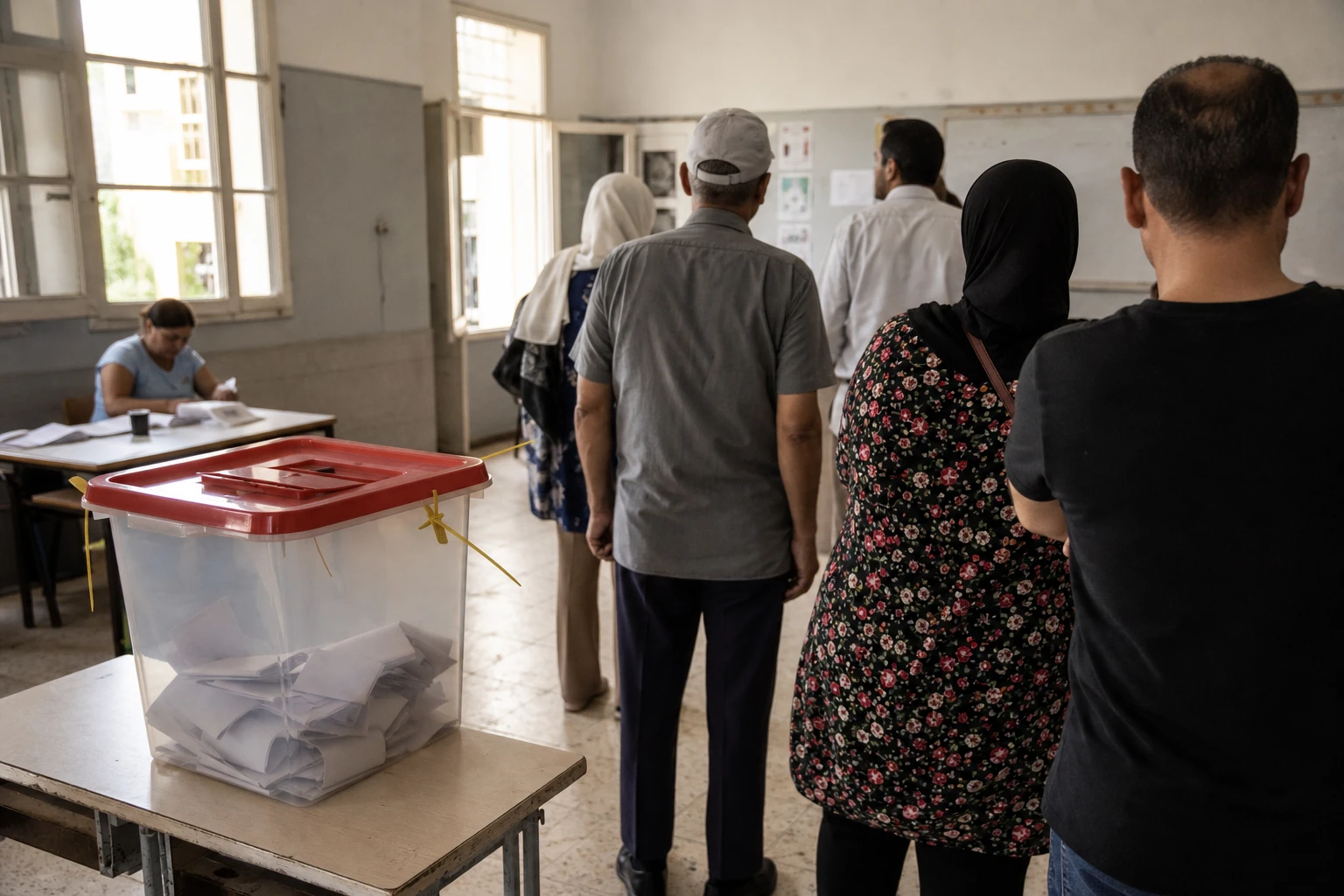
In Tunisia, moments when civil society speaks with one voice are rare. They often say more than a simple statement. They signal a breaking point. When social tensions, the strain of everyday life and the shrinking of public space converge, Tunis once again becomes a place of negotiation as well as confrontation.
This return to the fore of national organisations is part of a history well known to Tunisians. The UGTT, the National Bar Association and the Tunisian Human Rights League were already part, alongside Utica, of the National Dialogue Quartet, which received the Nobel Peace Prize in 2015 for its contribution to a peaceful political resolution after the 2011 revolution. Since the institutional upheaval of 25 July 2021, the centralisation of power around President Kaïs Saïed has sharply reduced the room for manoeuvre available to the opposition and checks and balances.
An alliance takes shape again amid social strain
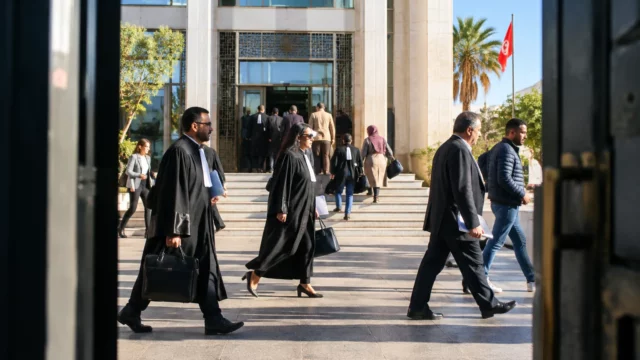
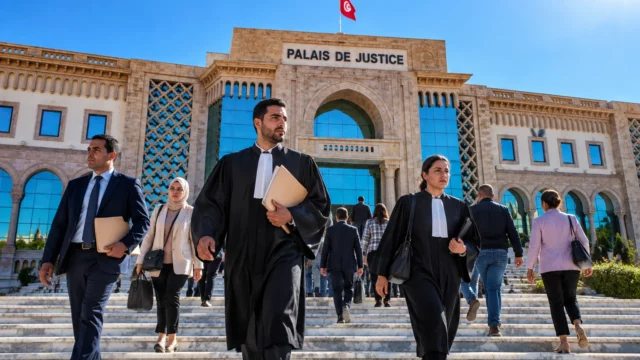
This time, the signal is not coming from a political party. It comes from three national institutions that still have the capacity to be heard in the country: the UGTT trade union confederation, the Tunisian Human Rights League and the National Bar Association. Their coordination reflects shared concern over a social crisis that worsened over the summer, with water and electricity cuts, extreme temperatures and anger visible even in the streets. Protests over shortages and economic pressure also broke out in Tunis in August.
Their position also forms part of a longer sequence of events. In 2025, the UGTT and the Bar Association had already expressed solidarity with the LTDH, and Tunisia’s public media reported consultations between the three organisations on the national situation. In April 2026, the UGTT again condemned the suspension of the League’s activities, describing it as a source of concern for civil liberties. In other words, the current alliance is not an isolated gesture. It extends a network defending pluralism that is trying to stand firm despite the erosion of spaces for dialogue.
What Tunisia’s organisations are denouncing
Their message is aimed first at political deadlock. For several years, social dialogue has been virtually at a standstill. The organisations believe that public policy choices have failed to provide lasting answers to the accumulated crises. They also denounce a retreat in rights and freedoms, as well as a tightening of the civic environment. This assessment echoes that of several international media outlets and news agencies, which describe a Tunisia marked by the arrests of political figures, pressure on critical voices and the concentration of executive power.
Prison conditions are central to this warning. During the heatwave in the summer of 2026, human rights organisations reported worsening conditions of detention due to overcrowding, poor ventilation, water and electricity cuts and inadequate medical care. The LTDH called for an investigation after recording nearly 20 suspected deaths in detention, a figure cited as an estimate by activists and therefore to be treated with caution until an official tally is published. Further warnings subsequently referred to deaths and emergency transfers in several prisons, adding to the gravity of the issue without making it possible, at this stage, to establish a definitive count.
A social crisis affecting the whole economy
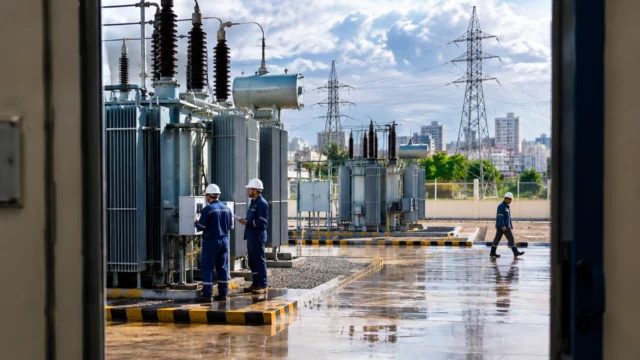
The summer’s events also showed a domino effect. When the electricity goes out, water becomes scarcer. When water is in short supply, household life becomes more difficult, small shops slow down and some service businesses face additional costs. The tourism sector, important for foreign currency earnings and seasonal employment, has also been affected by repeated cuts. In a country where the informal economy plays a major role in absorbing social shocks, everyday disruption weighs first on households, then on the most vulnerable businesses.
The authorities, for their part, dispute part of the critical narrative. In August 2026, the Tunisian presidency attributed some water and electricity disruptions to acts of sabotage, while STEG announced rolling cuts in several regions. This official account does not erase the reality of shortages, but it shows that the political battle is also being fought over how their causes are interpreted. Between climate-related hazards, pressure on networks and governance tensions, Tunisia’s crisis is as much technical as political.
A Tunisian signal beyond the capital
For North Africa, these events are a reminder that a political transition depends on more than elections or constitutional texts. It also relies on mediators able to absorb social anger before it turns into lasting deadlock. Tunisia, which opened a distinctive path after 2011, is still being watched across the region for its ability to preserve a minimum of dialogue amid a sharp concentration of power.
The continental significance is clear. In an African region where several countries are experiencing military transitions, budget crises or a narrowing of public freedoms, the question of Tunisia goes beyond the national case. It poses a simple question: what are intermediary institutions worth when the state takes a harder line and society is simultaneously facing heat, shortages and democratic fatigue? The coming weeks will show whether this coordination between longstanding organisations remains a symbolic gesture or becomes the starting point for a genuine resumption of social dialogue in Tunis.