Algeria
 Egypt
 Libya
 Morocco
 Sudan
 Tunisia
 Benin
 Burkina Faso
 Cabo Verde
 Côte d'Ivoire
 Ghana
 Guinea
 Guinea-Bissau
 Liberia
 Mali
 Mauritania
 Niger
 Nigeria
 Senegal
 Sierra Leone
 The Gambia
 Togo
 Cameroon
 Central African Republic
 Chad
 DR Congo
 Equatorial Guinea
 Gabon
 Republic of the Congo
 São Tomé and Príncipe
 Burundi
 Comoros
 Djibouti
 Eritrea
 Ethiopia
 Kenya
 Madagascar
 Malawi
 Mauritius
 Mozambique
 Rwanda
 Seychelles
 Somalia
 South Sudan
 Tanzania
 Uganda
 Botswana
 Eswatini
 Lesotho
 Namibia
 South Africa
 Zambia
 Zimbabwe
A new school year puts quality promises to the test
In Angola, the start of the school year is no longer measured only by the number of places available. It is also judged by what school actually offers children once they walk through the door. In Luanda and the provinces, the question is simple: how can millions of pupils be kept in class without letting quality lag behind?
Against this backdrop, the Angolan government has set two highly visible priorities for the 2026-2027 school year: feeding more children and accelerating the digital modernisation of schools. The country faces strong demographic pressure, substantial infrastructure needs and a regional teacher shortage that extends beyond its borders. Across sub-Saharan Africa, UNESCO estimates that 15 million more teachers will need to be recruited by 2030 to meet education goals.
In Luanda, the government is banking on two measures
On 1 September 2026, Angola’s Ministry of Education officially opened the school year in Huambo province. Authorities announced that more than 9.8 million pupils were expected in classrooms across a network of more than 12,000 schools nationwide. Angolan media reported the same figure, cited by Minister Érika de Carvalho at the opening ceremony.
At the same time, the National School Feeding Programme is set to reach 3 million children, from pre-primary through primary school, with priority given to the most vulnerable municipalities. The authorities present the measure as a way to tackle absenteeism and school dropout. It also reflects a familiar social reality: for many families, children’s attendance still depends on indirect costs that household budgets cannot absorb without strain.
The second measure is digital. The Escola Digital project is to train 1,000 teachers as digital educators, digitise curricula in 10 provinces and modernise 1,100 schools across the country. The ministry says some of these schools will be fitted with solar panels so they can also operate in areas without a stable electricity supply. This is not technology for technology’s sake. The strategy aims to give schools a basic platform for teaching, accessing content and narrowing the gap between urban centres and outlying areas.
The real challenge remains the education system
These announcements are part of a longer-term trajectory. In October 2025, the Angolan government said it already had about 9.6 million pupils, 208,488 teachers and 126,204 classrooms, with a school feeding programme due to expand to the next level of education. A year earlier, the ministry had also cited a school population of about 9 million pupils in primary and secondary education, showing the scale of the system’s growth. The increase to 9.8 million in 2026-2027 therefore confirms its continued expansion.
But numbers alone are not enough. Angola’s gross primary enrolment ratio has already exceeded 120%, according to World Bank data based on UNESCO figures. This indicator does not mean that every child is enrolled at the appropriate age. It also reflects grade repetition, late enrolment and irregular school careers. In other words, Angolan schools take in many pupils, but they still need to help more of them progress at the right pace.
Teacher recruitment therefore remains crucial. The Ministry of Education said it had launched a public competition for 9,000 posts, after announcing the admission of 8,653 new teachers in 2023. These figures show a genuine effort. They also show that the gap between needs and staffing remains substantial, especially in areas where pupil numbers are rising faster than classrooms and teacher accommodation. Without enough support, neither a school meal nor a screen can replace a teacher.
What this means for Angolans
For families, school meals can ease a daily expense and help ensure children attend class. For pupils, particularly in vulnerable municipalities, they can reduce absences linked to food insecurity. For teachers, digitalisation can make learning materials easier to access, provided training keeps pace and equipment is maintained. For school managers, however, these reforms also bring additional responsibilities for administration, monitoring and maintenance that should not be underestimated.
The contrast between Luanda and the provinces remains central. The capital still accounts for part of the infrastructure shortfall, as shown by renovation work at eight schools able to accommodate more than 29,000 additional pupils. In other provinces, the main issue remains basic access: an open school, teachers in attendance, textbooks available and a functioning canteen. Angola is therefore advancing on two fronts at once: expanding the system and making it more effective.
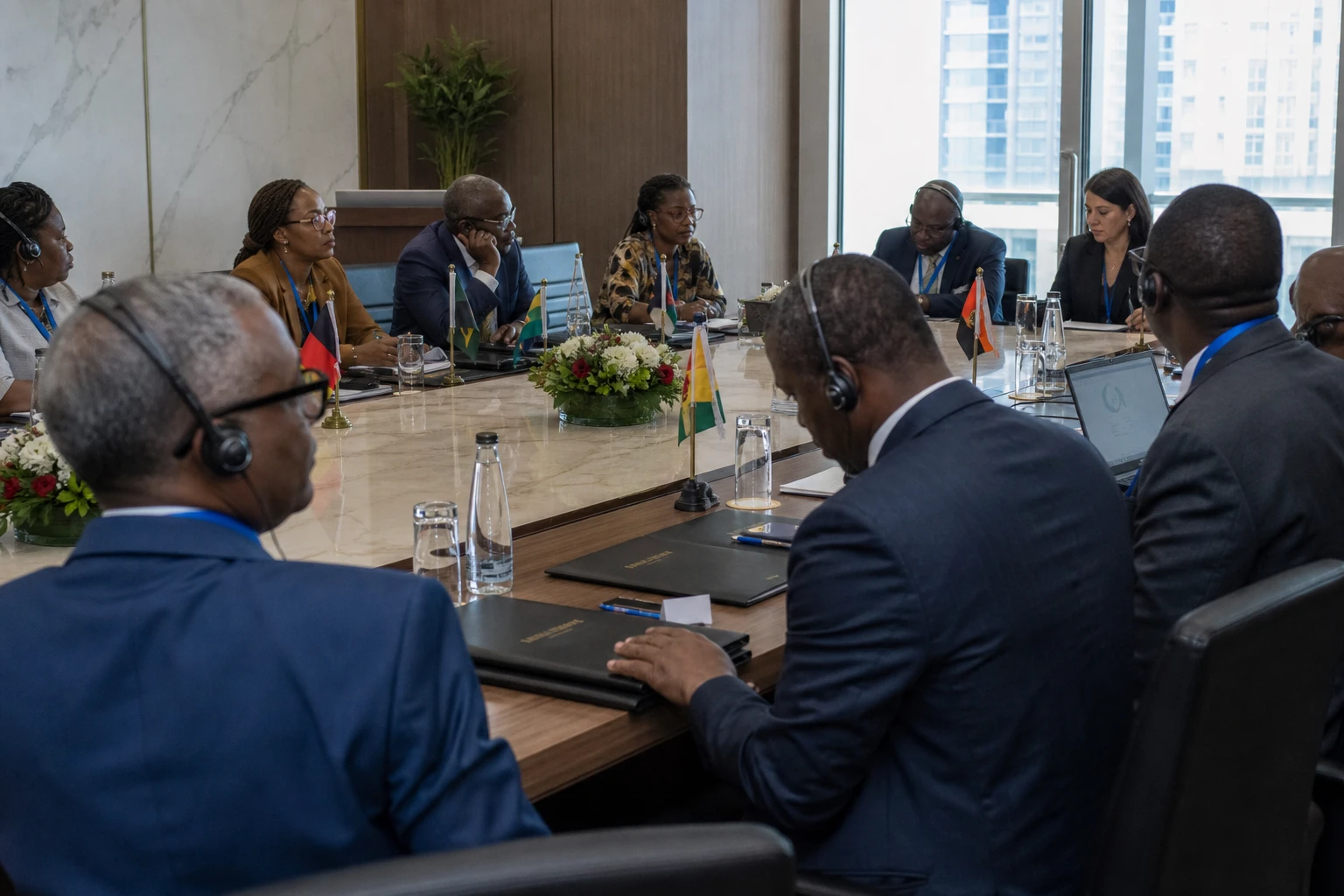
At the regional level, the reform also matters to southern Africa. Angola is a founding member of SADC, the Southern African Development Community, which brings together 16 states and sees regional integration as a driver of development. Within this bloc, education, skills mobility and teacher training are becoming strategic issues. Across the continent, school systems are increasingly expected to prepare pupils for digital technology, employment and the exchange of knowledge, not merely to enrol them in large numbers.
The implications are therefore continental. As the African Union advances Agenda 2063 and states seek to strengthen their human capacity, Angola’s experience will show whether a policy combining school meals, infrastructure, digital technology and recruitment can improve learning at scale. The real test will come in the coming months, when it becomes clear whether the new schools actually open, teachers reach classrooms and children stay in school longer.