Algeria
 Egypt
 Libya
 Sudan
 Tunisia
 Benin
 Burkina Faso
 Cabo Verde
 Côte d'Ivoire
 Ghana
 Guinea
 Guinea-Bissau
 Liberia
 Mali
 Mauritania
 Niger
 Nigeria
 Senegal
 Sierra Leone
 The Gambia
 Togo
 Cameroon
 Central African Republic
 Chad
 DR Congo
 Equatorial Guinea
 Gabon
 Republic of the Congo
 São Tomé and Príncipe
 Burundi
 Comoros
 Djibouti
 Eritrea
 Ethiopia
 Kenya
 Madagascar
 Malawi
 Mauritius
 Mozambique
 Rwanda
 Seychelles
 Somalia
 South Sudan
 Tanzania
 Uganda
 Angola
 Botswana
 Eswatini
 Lesotho
 Namibia
 South Africa
 Zambia
 Zimbabwe
A final that did not end with the final whistle
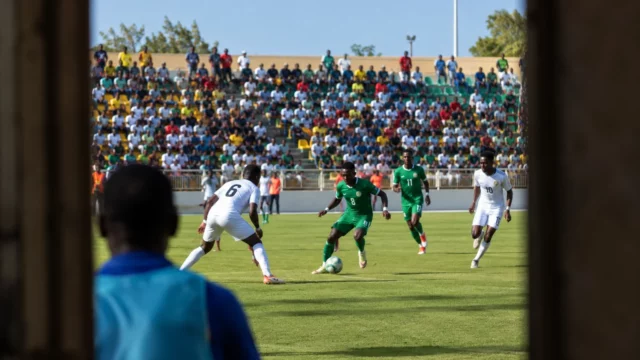
In African football, some matches are decided in 90 minutes. Others continue in offices, committees and appeals. The 2025 AFCON final between Morocco and Senegal now belongs to the second category, because its sporting outcome, disciplinary handling and administrative interpretation have told different stories. On the pitch, Senegal won 1-0 after extra time, thanks to a goal by Pape Gueye in the 94th minute, on 18 January 2026 in Rabat. But the proceedings that followed prolonged the match well beyond the pitch.
The debate was reignited in late August 2026, when Walid Regragui revisited the final on the Magharib podcast, broadcast by Atheer. The former Morocco coach defended Brahim Diaz’s missed penalty while criticising Pape Thiaw’s decision to have his players briefly leave the pitch after a penalty was awarded to Morocco in stoppage time. In several reports of the interview, he also said he considered himself African champion in view of Morocco’s campaign, even though the final decision must still come from the Court of Arbitration for Sport.
What the authorities say, and what remains disputed
The institutional framework is clear. The Confederation of African Football confirmed the Morocco-Senegal final on 8 January 2026, then recorded the sporting result after the match. On 19 January, it also condemned the conduct deemed unacceptable of some players and officials during the late-match incidents. But the case changed in nature on 17 March 2026, when the CAF Appeal Board declared Senegal to have forfeited the final and recorded the match as a 3-0 win for Morocco, citing Articles 82 and 84 of the AFCON regulations.
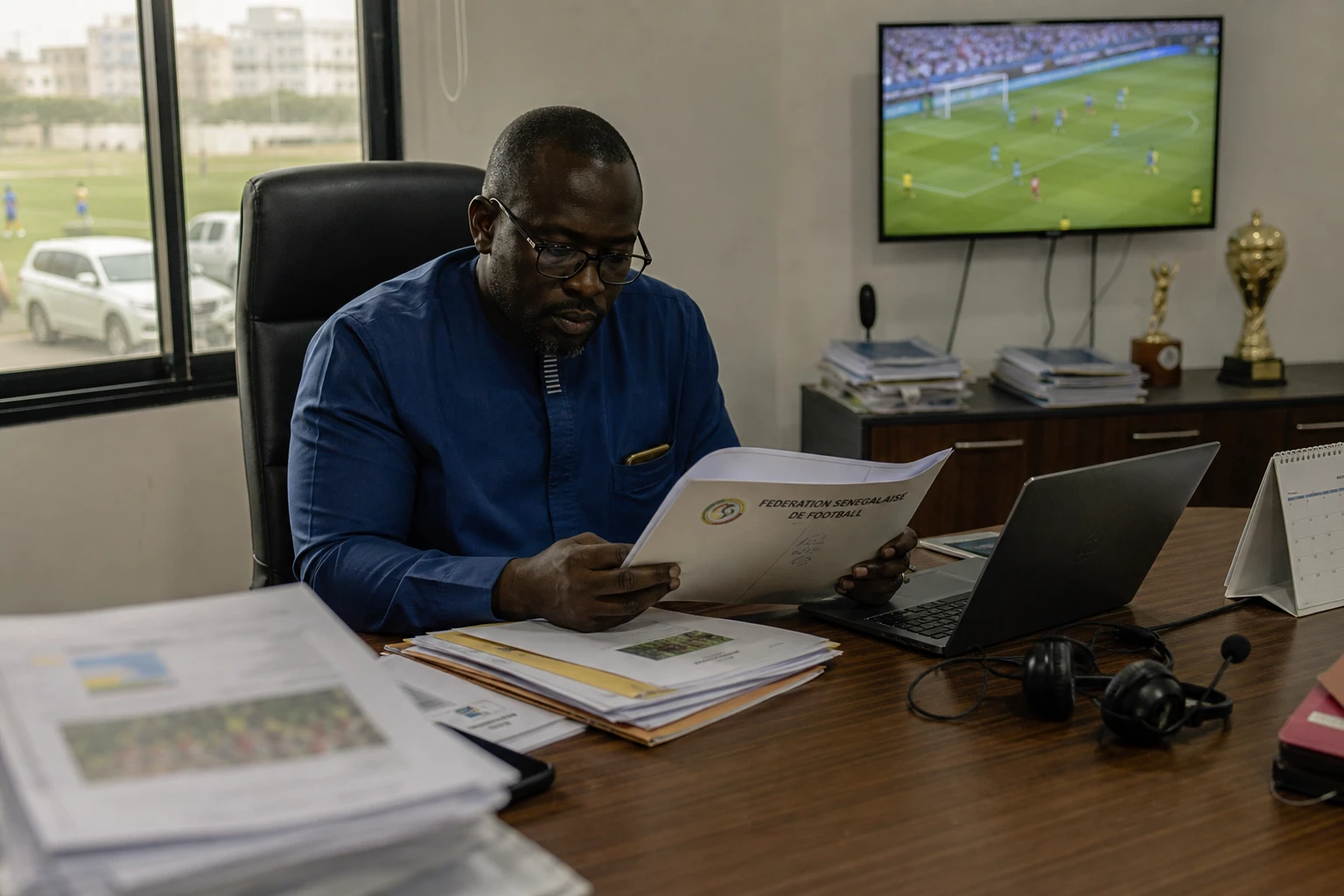
The Senegalese Football Federation challenged this interpretation and appealed to the Court of Arbitration for Sport. The appeal was registered on 25 March 2026. CAS then scheduled the hearing for 8 October 2026 at its headquarters in Lausanne. In other words, the case is not closed. The CAF’s administrative ruling stands, but is subject to review by the sports arbitration tribunal, which will decide whether the forfeit sanction and the 3-0 score should be upheld, amended or overturned.
A match incident becomes a matter of image and governance
The starting point is well known. Late in normal time, Morocco were awarded a penalty. Brahim Diaz missed it. Senegal then took control in extra time and won on the pitch. But the sequence following the penalty decision, when the Senegalese players briefly left the field, shifted the issue from refereeing alone to discipline and the interpretation of the regulations. CAF considered that the episode fell under provisions that could lead to a forfeit. Others argue that the sporting result should not have been reclassified retrospectively.
For Morocco, the case concerns both sporting honour and institutional continuity. On 5 March 2026, the Royal Moroccan Football Federation appointed Mohamed Ouahbi as head coach of the senior national team, ending the Regragui era ahead of the 2026 World Cup. That transition closed a sporting chapter without ending the dispute that began in Rabat. For Senegal, the case weighs on the interpretation of a continental title already won on the pitch and then challenged administratively. In both cases, the national teams’ international reputations are at stake as much as their records.
The case also serves as a reminder of a reality in continental football: African competitions are now played as much in stadiums as in oversight bodies. CAF, CAS and national federations do more than manage sanctions. They also determine the value of a result, the significance of an incident and the boundary between protest, a temporary walk-off and a forfeit. In a context where every detail can fuel months of controversy, the robustness of procedures matters almost as much as the quality of play.
Why this case goes beyond Morocco-Senegal
The case matters across the continent because it speaks to sports governance, the interpretation of regulations and the credibility of African competitions. Morocco often hosts major continental and global football events, while Senegal has established itself among West Africa’s most consistent teams. Between Rabat and Dakar, the relationship between performance on the pitch and administrative decisions is also under scrutiny. CAS is due to rule in autumn 2026, and its decision will set a precedent for future disputes involving match interruptions and collective protests.
In the meantime, the episode says something broader about contemporary African football: leading teams are now judged on their discipline, their ability to handle pressure and their capacity to defend their interests within the continent’s institutional framework. The Morocco-Senegal final is therefore no longer just a prestigious fixture. It is also a test of CAF’s appeals mechanisms and of how African sports arbitration resolves disputes arising from major events. On 8 October 2026 in Lausanne, the competition could have one final extension, this time far from the stands in Rabat.