Algeria
 Egypt
 Libya
 Morocco
 Sudan
 Tunisia
 Benin
 Burkina Faso
 Cabo Verde
 Côte d'Ivoire
 Ghana
 Guinea
 Guinea-Bissau
 Liberia
 Mali
 Mauritania
 Niger
 Nigeria
 Senegal
 Sierra Leone
 The Gambia
 Togo
 Cameroon
 Central African Republic
 Chad
 DR Congo
 Equatorial Guinea
 Republic of the Congo
 São Tomé and Príncipe
 Burundi
 Comoros
 Djibouti
 Eritrea
 Ethiopia
 Kenya
 Madagascar
 Malawi
 Mauritius
 Mozambique
 Rwanda
 Seychelles
 Somalia
 South Sudan
 Tanzania
 Uganda
 Angola
 Botswana
 Eswatini
 Lesotho
 Namibia
 South Africa
 Zambia
 Zimbabwe
Libreville: the week everything changed
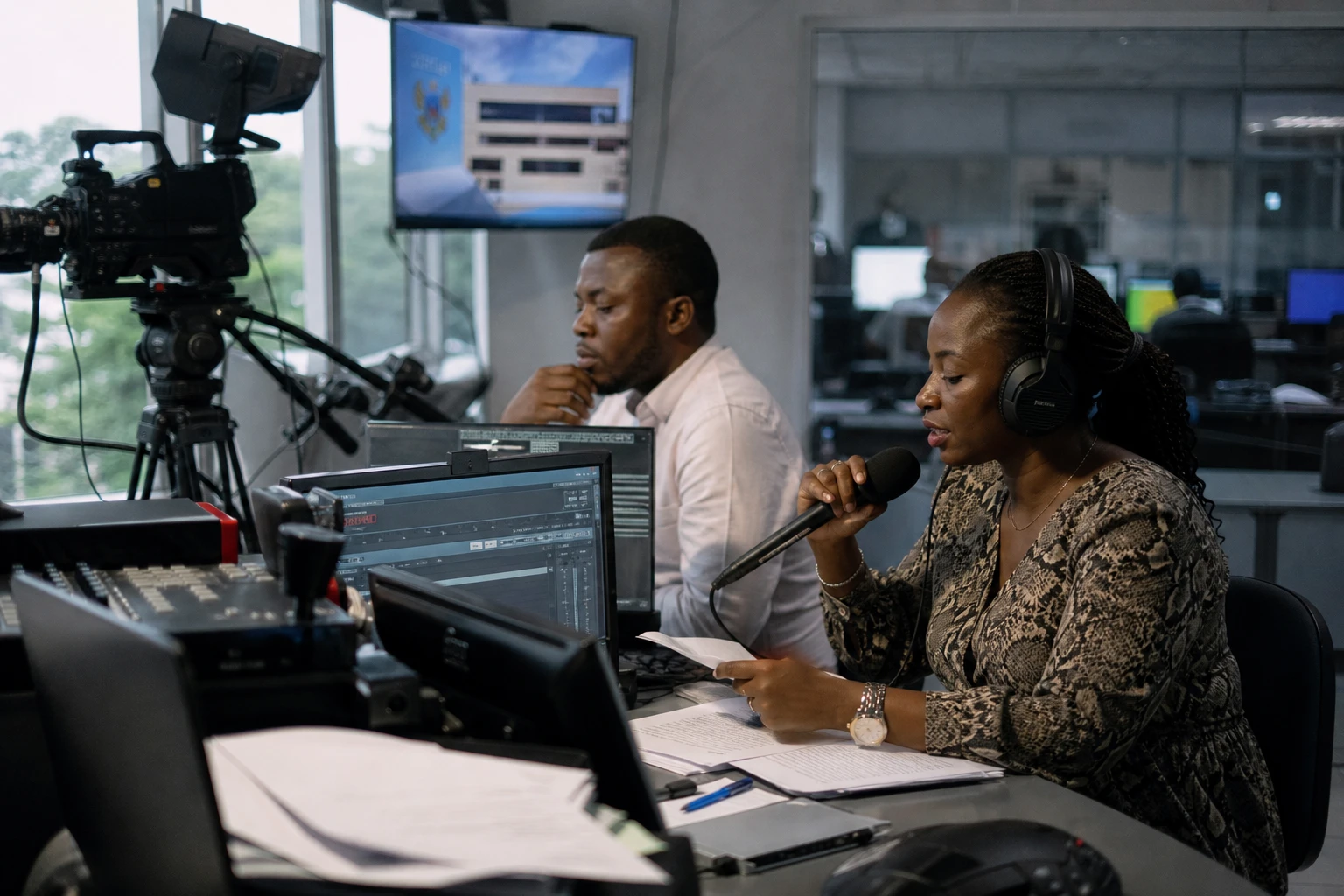
In Gabon, electoral crises are measured not only at the ballot box. They are also seen in smashed doors, families unable to reach loved ones and diplomatic silences that allow wounds to fester. The events that began on 31 August 2016 in Libreville left a lasting political mark because they raised a simple and still sensitive question: who protects citizens when a disputed election turns violent?
The crisis is part of Gabon’s recent political history, in which electoral competition remains tied to the stability of power, security balances and the country’s place in CEMAC, the Central African Economic and Monetary Community. In 2016, tensions spread beyond national borders, prompting the African Union, the Economic Community of Central African States and the United Nations to call for calm and transparent verification of the results.
The facts: a disputed re-election, then the assault
On 27 August 2016, Ali Bongo Ondimba was declared the winner of the presidential election against Jean Ping, in a vote immediately challenged by the opposition. Violence broke out in Libreville on 31 August. The assault on Jean Ping’s headquarters during the night of 31 August to 1st September became the most striking episode of the post-election crisis. Several sources at the time reported deaths, mass arrests and a swift crackdown, while the exact toll remains disputed years later.
Gabonese authorities subsequently put forward their own account of the violence, presenting the unrest as a response to a threat to public order. At the same time, African and international observers called for greater transparency on results from each polling station. The preliminary findings of the joint African Union–ECCAS mission had already stressed the importance of a credible election and a peaceful handling of disputes.
Care is still needed when discussing the human toll. Figures vary depending on the period, criteria and sources used. News agency reports cited at least four deaths according to official figures, while other accounts and assessments put the toll higher, with no definitive consensus to date. Arrests, meanwhile, were widespread: several hundred people were detained in the first few days, and some reports cite between 800 and 1,100 arrests from 31 August to 4 September 2016.
France: diplomatic caution and a judicial grey area
France’s role in these events remains a sensitive subject of debate in Gabon. In Paris, the foreign ministry called on 1st September 2016 for the publication of results from each polling station to dispel doubts about the credibility of the vote. This public position showed a desire to avoid an escalation, but it did not dispel the main accusation made by many Gabonese: that France’s response was too cautious, or even amounted to tacit support for the government in power.
The case then moved into the courts. In France, complaints were filed from September 2016 alleging arbitrary arrest and detention, torture, acts of barbarity and attempted murder, with some proceedings also referring to crimes against humanity. One complaint and several reports kept pressure on the French justice system, while investigations sought to establish whether French nationals contracted to serve with the Gabonese Republican Guard had been involved in the violence or present during the assault.
Access to evidence is also central to the case. Revelations published in 2025 revived allegations of obstruction through the withholding of documents, claiming that some of the material requested by French investigators had not been sent. This is not a final court ruling, but it raises a serious question: when a foreign power has historical, military and political ties with an African state, how transparent is it when its own potential responsibility is under scrutiny?
What the case says about Gabon beyond 2016
For Gabonese people, the 2016 crisis was not just an episode of electoral violence. It also exposed a deeper problem: the gap between the institutional framework and genuine confidence in the adjudication of elections. In a country where the capital, Libreville, concentrates administrative, economic and media power, a dispute that flares up at the heart of the system has an immediate impact on working-class neighbourhoods, civil servants, traders and families reliant on the informal day-to-day economy.
The crisis also affected Gabon’s regional standing. As a member of CEMAC, the country cannot be viewed in isolation from Central Africa, where political transitions, electoral disputes and security tensions have often had knock-on effects. The message sent in 2016 reached beyond Libreville: an election that is not widely accepted can disrupt public life, undermine confidence in the justice system and expose a country to outside interventions that are experienced very differently in Paris, Brussels and Libreville.
The case’s continental significance ultimately lies in the question of process. The African Union, ECCAS and the United Nations stressed as early as 2016 that an electoral crisis should first be addressed through transparency, restraint and an independent investigation. Ten years later, the Gabonese case remains a reference point for other African countries: it shows that apparent stability can conceal a crisis of confidence, and that a judicial case left unresolved often finds its way back into political debate.