Algeria
 Egypt
 Libya
 Morocco
 Sudan
 Tunisia
 Benin
 Burkina Faso
 Cabo Verde
 Côte d'Ivoire
 Ghana
 Guinea
 Guinea-Bissau
 Liberia
 Mali
 Mauritania
 Niger
 Senegal
 Sierra Leone
 The Gambia
 Togo
 Cameroon
 Central African Republic
 Chad
 DR Congo
 Equatorial Guinea
 Gabon
 Republic of the Congo
 São Tomé and Príncipe
 Burundi
 Comoros
 Djibouti
 Eritrea
 Ethiopia
 Kenya
 Madagascar
 Malawi
 Mauritius
 Mozambique
 Rwanda
 Seychelles
 Somalia
 South Sudan
 Tanzania
 Uganda
 Angola
 Botswana
 Eswatini
 Lesotho
 Namibia
 South Africa
 Zambia
 Zimbabwe
In Plateau, violence keeps returning where land and security compete for the same space
In central Nigeria, an attack is almost never just a death toll. It disrupts villages, displaces families, undermines harvests and revives a longstanding dispute over the protection of civilians. In Plateau State, at the heart of the Middle Belt, residents have lived with this reality for years: fields feed families, but they also expose communities to armed incursions.
This latest wave of violence has once again put Mangu at the centre of the news. Between 12 and 18 August 2026, places including Murish, Mairana, Jwak Maitumbi and Bin-Per were hit by deadly attacks, according to local, state and religious sources. Figures vary, but several sources report at least 23 to 28 deaths, as well as homes set ablaze and farmland destroyed.
Plateau State, Abuja and the question of protecting citizens
Nigeria, whose capital is Abuja, has long faced violence involving banditry, jihadist terrorism, land disputes, community rivalries and religious interpretations of attacks. In Plateau, this overlap is particularly clear. Federal and local authorities speak of chronic insecurity, while community groups describe villages repeatedly targeted and a sense of abandonment.
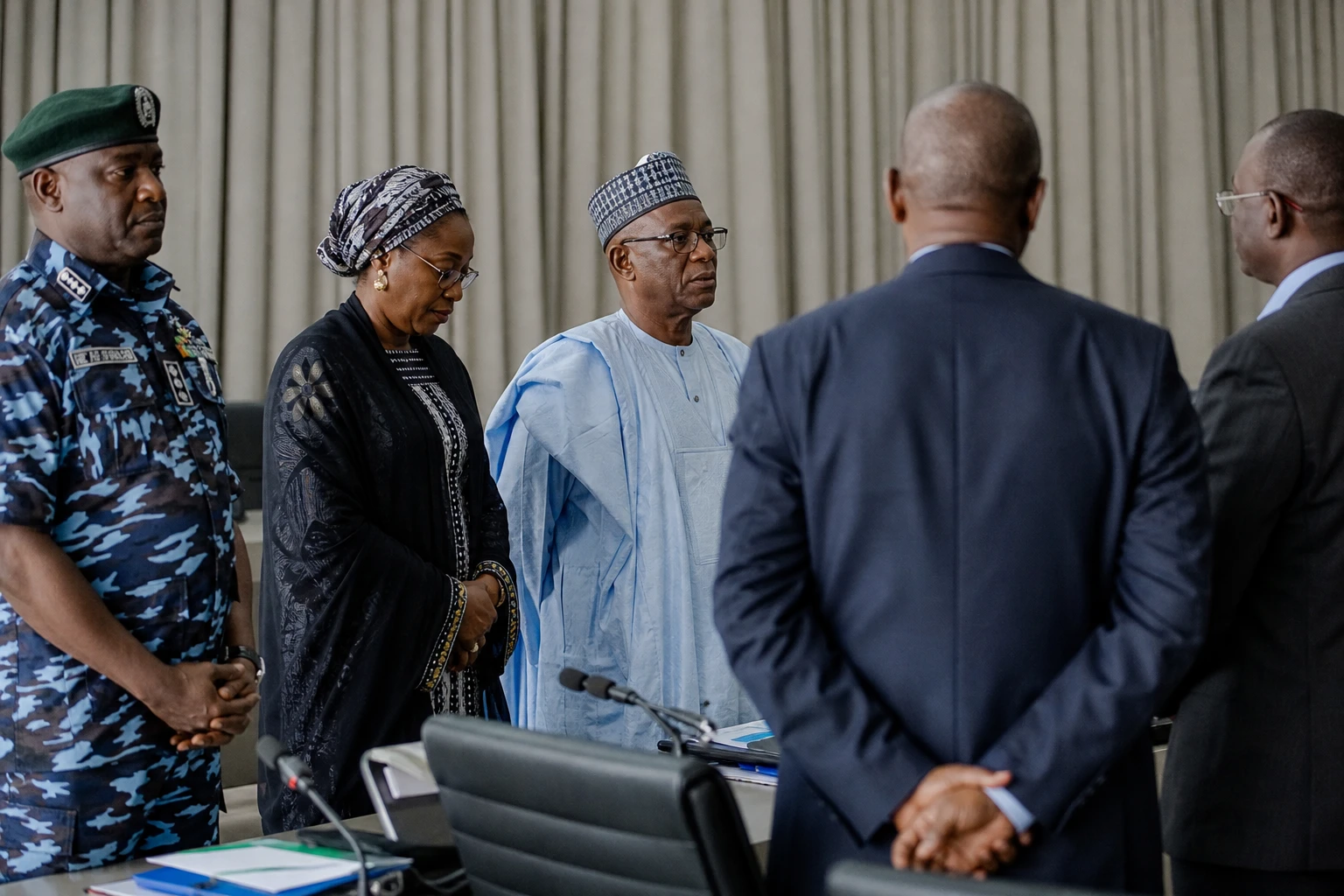
Institutional responses have multiplied. The Plateau State government condemned the attacks. Governor Caleb Mutfwang visited the area and promised increased surveillance. Local groups, including the Mwaghavul Development Association, called for a stronger security presence and a firmer response against those allegedly responsible.
In Abuja, the official line remains the same: the state must protect citizens and prevent impunity. This demand is also central to criticism of the authorities when attacks recur without lasting arrests or visible justice. It is precisely this failure to provide protection that fuels distrust in rural areas of the north-central region, where farming communities, both Christian and Muslim, say they are paying the price for a security presence that is too slow or too remote.
Why the word “genocide” remains contested
The international debate gained momentum in 2026. On 9 July, the European Parliament adopted a resolution on persecution targeting Christians in Nigeria and called for close monitoring of the country’s deteriorating situation. At the same time, United Nations experts sent a communication to the Nigerian government on 1 June concerning violence against Christian women and girls and those belonging to other religious minorities; it was made public after the response deadline had passed.
But this growing pressure does not remove the need for legal caution. Under international law, the term “genocide” requires the intent to destroy a protected group. This is precisely why several organisations working on the ground refuse to use it without an in-depth investigation. Open Doors, which has worked on the persecution of Christians for years, says it favours a verification method based on local networks, cross-checking and strict classification of incidents, in order to distinguish religious persecution from criminal, land-related or intercommunal violence.
This method also explains why reported death tolls are not always available immediately. In the case of Bin-Per, Open Doors UK & Ireland reported on 25 August that at least 25 people, mostly women and children, had been killed when assailants went from house to house. Other Nigerian and international media reported similar tolls, of between 24 and 28 deaths. The central issue, then, is not just the precise figure, but the recurring nature of the violence and the vulnerability of the villages affected.
Attribution remains the most sensitive issue. In Plateau, attacks are often described as being carried out by radicalised Fulani groups or militias from pastoral communities, but sources on the ground stress that Fulani ethnicity must not be conflated with armed groups. This distinction is essential. It prevents a complex conflict from being turned into a sweeping ethnic indictment, when Fulani families themselves are also suffering violence and displacement.
What this crisis says about Nigeria, and beyond
For residents, the stakes are tangible. A burned home means nights spent outdoors. Destroyed fields mean months of lost income. A closed school means children missing out on education. In a region where the informal economy dominates, each attack further frays the local fabric. Nationally, it also forces Abuja to balance internal security, political credibility and cooperation with foreign partners, including the United States, following the strikes and announcements in 2025-2026 concerning extremist groups.
Across Africa, the Nigerian case goes beyond the question of religion alone. It points to a broader crisis of security governance across the wider Sahel and the Lake Chad Basin, where armed groups, pastoral tensions and predatory economies often feed off one another. ECOWAS is closely monitoring these dynamics, as they cross borders and displace people far beyond Nigeria. The next step to watch will be whether Abuja can turn condemnations into visible protection, followed by credible investigations, arrests and judicial decisions.