Algeria
 Egypt
 Libya
 Morocco
 Sudan
 Tunisia
 Benin
 Burkina Faso
 Cabo Verde
 Côte d'Ivoire
 Ghana
 Guinea
 Guinea-Bissau
 Liberia
 Mali
 Mauritania
 Niger
 Nigeria
 Sierra Leone
 The Gambia
 Togo
 Cameroon
 Central African Republic
 Chad
 DR Congo
 Equatorial Guinea
 Gabon
 Republic of the Congo
 São Tomé and Príncipe
 Burundi
 Comoros
 Djibouti
 Eritrea
 Ethiopia
 Kenya
 Madagascar
 Malawi
 Mauritius
 Mozambique
 Rwanda
 Seychelles
 Somalia
 South Sudan
 Tanzania
 Uganda
 Angola
 Botswana
 Eswatini
 Lesotho
 Namibia
 South Africa
 Zambia
 Zimbabwe
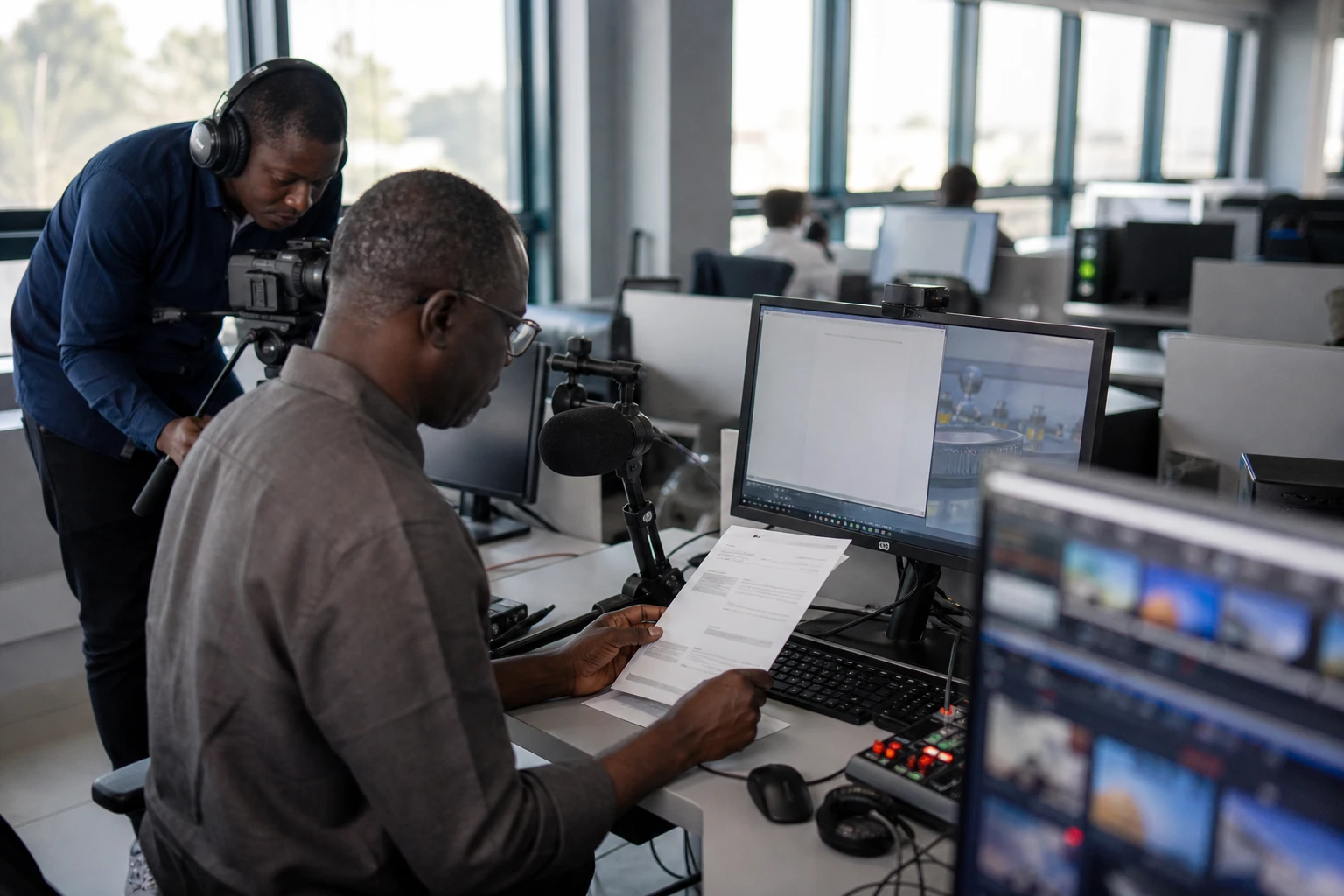
When medicine is made closer to patients
When it comes to sickle cell disease, the problem is not only medical. It is also logistical, financial and industrial. When a basic treatment is unavailable or costs too much, families are not simply choosing whether to buy tablets: they are weighing up care, transport, tests and lost working days. In Senegal, the issue is taking on a new dimension with the local production of a generic hydroxyurea treatment in Mbao, on the outskirts of Dakar.
Teranga Pharma describes Drepaf as the first African-made generic treatment based on hydroxyurea for sickle cell disease. The stakes go beyond Senegal alone. The World Health Organization says sub-Saharan Africa accounts for nearly 80% of sickle cell disease cases worldwide, and that treatments such as hydroxyurea are among the effective interventions available.
A strong signal for Dakar, and for West Africa
Senegal is part of a broader drive for health and pharmaceutical sovereignty. Health authorities have already documented, in their plans and guidelines, an organised system of care for the disease, with the National Blood Transfusion Centre serving adults and Albert Royer Children’s Hospital caring for younger patients. In other words, the new medicine is not starting from scratch: it is being added to an existing system, one still constrained by access to products and their cost.
This reality is shared across several West African countries. ECOWAS is not directly involved in the medical case, but it shapes a regional space in which the movement of medicines, standards and public procurement all affect access to care. Senegal, a coastal country and emerging pharmaceutical hub, is therefore seeking to turn a public health need into local industrial capacity.
What Drepaf makes, and why it matters
Drepaf was launched in November 2025, according to information corroborated by the Senegalese and international press. The product is available in two strengths: 500 milligrams for adults and 100 milligrams for children. The paediatric formulation can be used from the age of nine months, in line with the broader aim of starting treatment for the disease earlier.
The choice of hydroxyurea is significant. The WHO classifies it as a disease-modifying treatment. It can reduce the frequency of painful crises, hospitalisations and the need for blood transfusions. In African health systems, where blood supplies remain precious and supply shortages are frequent, this effect is strategic. A study published in Blood found that in 2023, 78% of healthcare professionals surveyed in 13 French-speaking sub-Saharan African countries reported frequent shortages of hydroxyurea.
The company also highlights a price difference. The tablets are sold wholesale at 3,000 CFA francs for the adult dose and 1,500 CFA francs for the paediatric version. For households, this is no small matter. In chronic illnesses, the cumulative cost of care often weighs more heavily than the diagnosis itself. This is particularly true for families who must also pay for screening, regular tests and travel to specialist centres.
Local industry, less dependence, but the challenge of scale
The project is based on announced funding of 4 billion CFA francs, or about $7.1 million. Teranga Pharma also says it is working with an Indian technical partner to increase its production capacity. The company says it is already in talks with Burkina Faso, Guinea and Côte d’Ivoire, and has received requests from the Democratic Republic of the Congo, Gabon and Cameroon.
This point matters. Local production does not solve everything. Raw materials, quality control, distribution, marketing authorisations and hospital procurement still need to be secured. But this step changes the balance of power. It reduces dependence on imports that are often more expensive and sometimes unreliable. It also gives Senegal an industrial advantage in West Africa’s competition to manufacture essential medicines.
Teranga Pharma’s chief executive argues for a public health as well as an industrial development approach: if medicines consumed in Africa are also produced in Africa, he says in effect, the supply chain becomes more resilient. This idea aligns with a direction now being championed by WHO Africa, which is calling on countries to strengthen prevention, screening and access to long-term treatments.
What this means for families, and what remains to be done
For patients, the immediate benefits are straightforward: fewer shortages, lower costs and greater continuity of treatment. For parents of children with sickle cell disease, this could mean fewer crises, fewer days missed at school and fewer hospitalisations. For adults receiving care in Dakar and elsewhere in the country, it could also reduce the uncertainty that comes with interrupted prescriptions.
But producing a medicine is not a complete response to sickle cell disease. Newborn screening remains central, as do regular follow-up, vaccination, patient education and access to safe blood. Senegalese health authorities have already included the disease in their planning tools, showing that the challenge must be tackled on several fronts at once: clinical, preventive and industrial.
At regional level, the issue has clear continental significance. Several West African countries have populations in which sickle cell disease remains underdiagnosed, poorly managed or inadequately funded. If Senegal’s experience delivers on its promise, it could serve as a model for other French-speaking markets, particularly where imports are expensive and supply chains fragile. From this perspective, Dakar is not just exporting a medicine. The Senegalese capital is also testing an African way to secure access to a longstanding, well-known treatment that remains too often out of reach.