Algeria
 Egypt
 Libya
 Morocco
 Sudan
 Tunisia
 Benin
 Burkina Faso
 Cabo Verde
 Côte d'Ivoire
 Ghana
 Guinea
 Guinea-Bissau
 Liberia
 Mali
 Mauritania
 Niger
 Senegal
 Sierra Leone
 The Gambia
 Togo
 Cameroon
 Central African Republic
 Chad
 DR Congo
 Equatorial Guinea
 Gabon
 Republic of the Congo
 São Tomé and Príncipe
 Burundi
 Comoros
 Djibouti
 Eritrea
 Ethiopia
 Kenya
 Madagascar
 Malawi
 Mauritius
 Mozambique
 Rwanda
 Seychelles
 Somalia
 South Sudan
 Tanzania
 Uganda
 Angola
 Botswana
 Eswatini
 Lesotho
 Namibia
 South Africa
 Zambia
 Zimbabwe
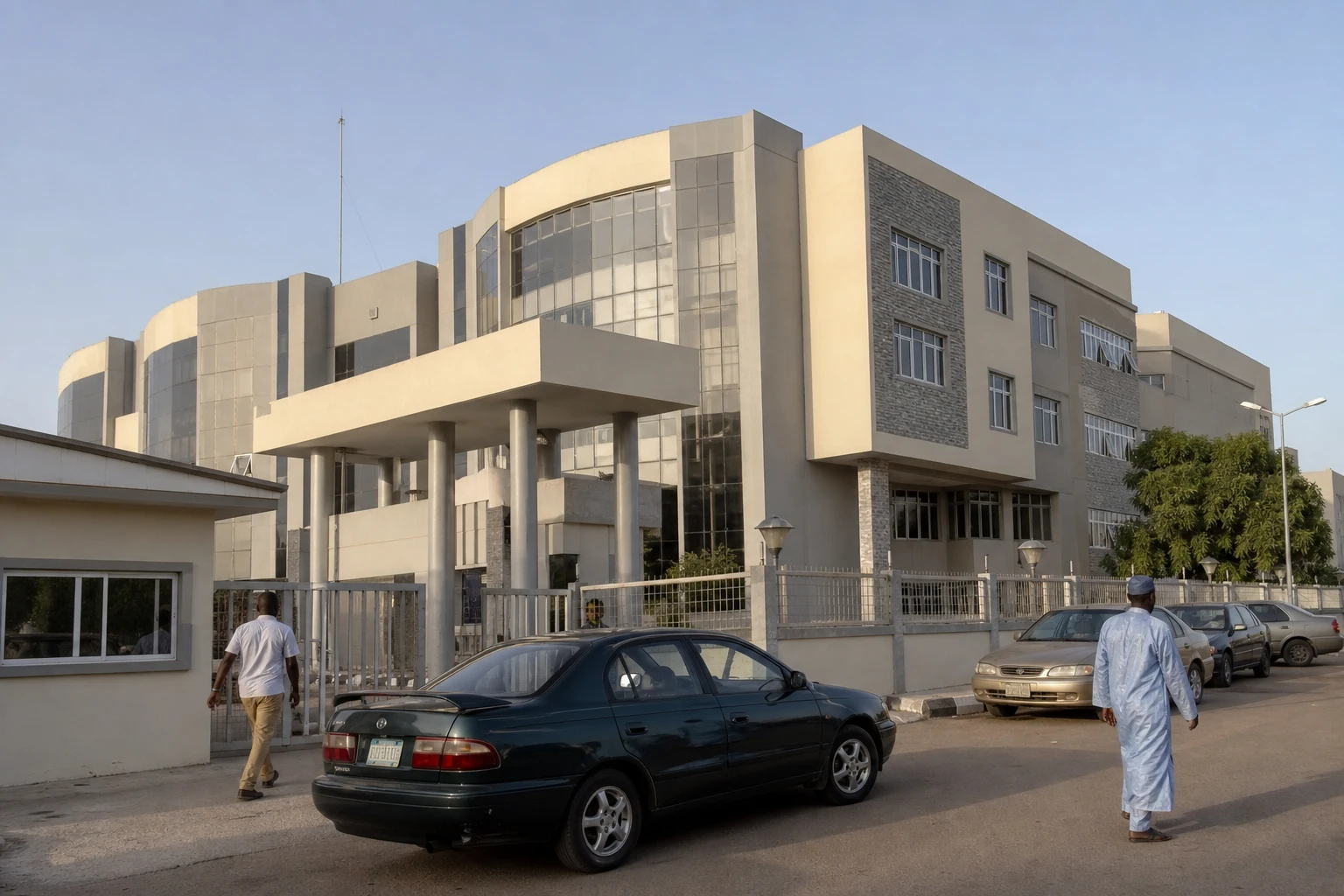
In Borgu, Nigeria’s border becomes a test for Abuja
In north-central Nigeria, villages along the Borgu axis are living with a reality that is no longer limited to the fear of a single night. Each attack disrupts markets, cuts off secondary roads and puts pressure on families already dependent on cross-border trade with Benin and Niger. Niger State, whose capital is Minna, is once again at the centre of a stand-off between armed groups, rural communities and security forces.
This issue goes beyond the local dimension. Borgu lies in a sensitive transit area around Lake Kainji, a corridor where trade, pastoral mobility and armed trafficking intersect. For Abuja, the challenge is clear: protect a border area without further isolating its communities. For residents, the immediate priority remains survival: moving, farming and praying without the risk of abduction.
What the authorities say and what is known about the attacks
Nigerian President Bola Ahmed Tinubu ordered the “immediate” launch of a coordinated rescue operation, mobilising the army, police, the Department of State Services and other relevant intelligence agencies, according to a statement from the State House in Abuja. He also promised that those responsible for the attacks would not go unpunished. The response follows reports of kidnappings in several parts of Borgu, in Niger State.
The incidents were first reported by police authorities and Nigerian media, then confirmed by international news agencies. Police said armed men attacked the villages of Gidan-Zana and Kpenya on 21 August, before storming Kpenya’s mosque during Friday prayers. Reuters reported that dozens of people had been abducted, while survivors interviewed by AFP described an attack carried out by men locally identified as members of Lakurawa.
The exact human toll remains uncertain. A Borgu source quoted by Reuters spoke of 30 deaths and burials held the following Sunday, but the authorities have yet to publish a consolidated count. Such caution is essential: in attacks of this kind, figures circulate quickly, sometimes before they have been verified on the ground.
The Niger State government condemned the attack and called on security agencies to step up the search. Nigerian media have also circulated a video showing captives in a wooded area, although its authenticity and the number of people visible could not be independently verified at this stage.
Lakurawa, a local name for a cross-border threat
In accounts gathered locally, the name Lakurawa comes up repeatedly. The Institute for Security Studies, the Nigeria Sanctions Committee and the UN describe the group as a hybrid threat linked to jihadist and criminal networks active across Nigeria, Niger and northern Benin. The Africa Center for Strategic Studies has also noted evidence linking the movement to the expansion of Islamic State in the Sahel along Nigeria’s western borders.
This geography matters greatly. Borgu is a transit area, but also a vulnerable one. Attacks there often target isolated communities, where the state has a limited presence and assailants can quickly retreat to wooded areas or border tracks. For farmers, fishers, traders and herders, this means additional costs, disrupted journeys and an even more fragile informal economy.
The security situation in north-western and north-central Nigeria remains complicated. Armed groups combine extortion, cattle theft, ransom-taking and shifting allegiances. The UN recently noted Lakurawa’s activity in several north-western states, while specialist analyses show that porous borders facilitate its movement. In this context, a single military operation is not enough; on-the-ground intelligence, regional coordination and a more sustained administrative presence are also needed.
What this crisis says about Nigeria and West Africa
The Borgu case highlights a major challenge for Abuja: securing a country of more than 200 million people across multiple fronts, from the Lake Chad Basin to the north-western border areas. Bola Ahmed Tinubu’s government has already launched several rescue operations this year following mass kidnappings in Niger State and neighbouring Kwara State. The renewed attacks show that tactical successes have yet to translate into lasting stability.
For the region, the issue also concerns ECOWAS, even though security ties between Abuja and some Sahel neighbours have been strained by recent political ruptures. Armed groups do not stop at lines drawn on a map. Borders, meanwhile, are crossed by markets, families and escape routes. This is why Nigerian authorities and regional partners are under pressure to combine police cooperation, border surveillance and renewed information-sharing.
The continental significance is clear. From the Sahel to the forests of the Gulf of Guinea, jihadist and criminal groups are testing states’ resilience by targeting the margins: remote villages, secondary roads, rural communities and bushland. Borgu illustrates this approach. The next signs to watch will be twofold: the ability of Nigerian forces to find the abducted people, and whether a fresh outbreak of violence can be prevented from driving more residents out of an area already strategically important to the north-western economy.