Egypt
 Libya
 Morocco
 Sudan
 Tunisia
 Benin
 Burkina Faso
 Cabo Verde
 Côte d'Ivoire
 Ghana
 Guinea
 Guinea-Bissau
 Liberia
 Mali
 Mauritania
 Niger
 Nigeria
 Senegal
 Sierra Leone
 The Gambia
 Togo
 Cameroon
 Central African Republic
 Chad
 DR Congo
 Equatorial Guinea
 Gabon
 Republic of the Congo
 São Tomé and Príncipe
 Burundi
 Comoros
 Djibouti
 Eritrea
 Ethiopia
 Kenya
 Madagascar
 Malawi
 Mauritius
 Mozambique
 Rwanda
 Seychelles
 Somalia
 South Sudan
 Tanzania
 Uganda
 Angola
 Botswana
 Eswatini
 Lesotho
 Namibia
 South Africa
 Zambia
 Zimbabwe
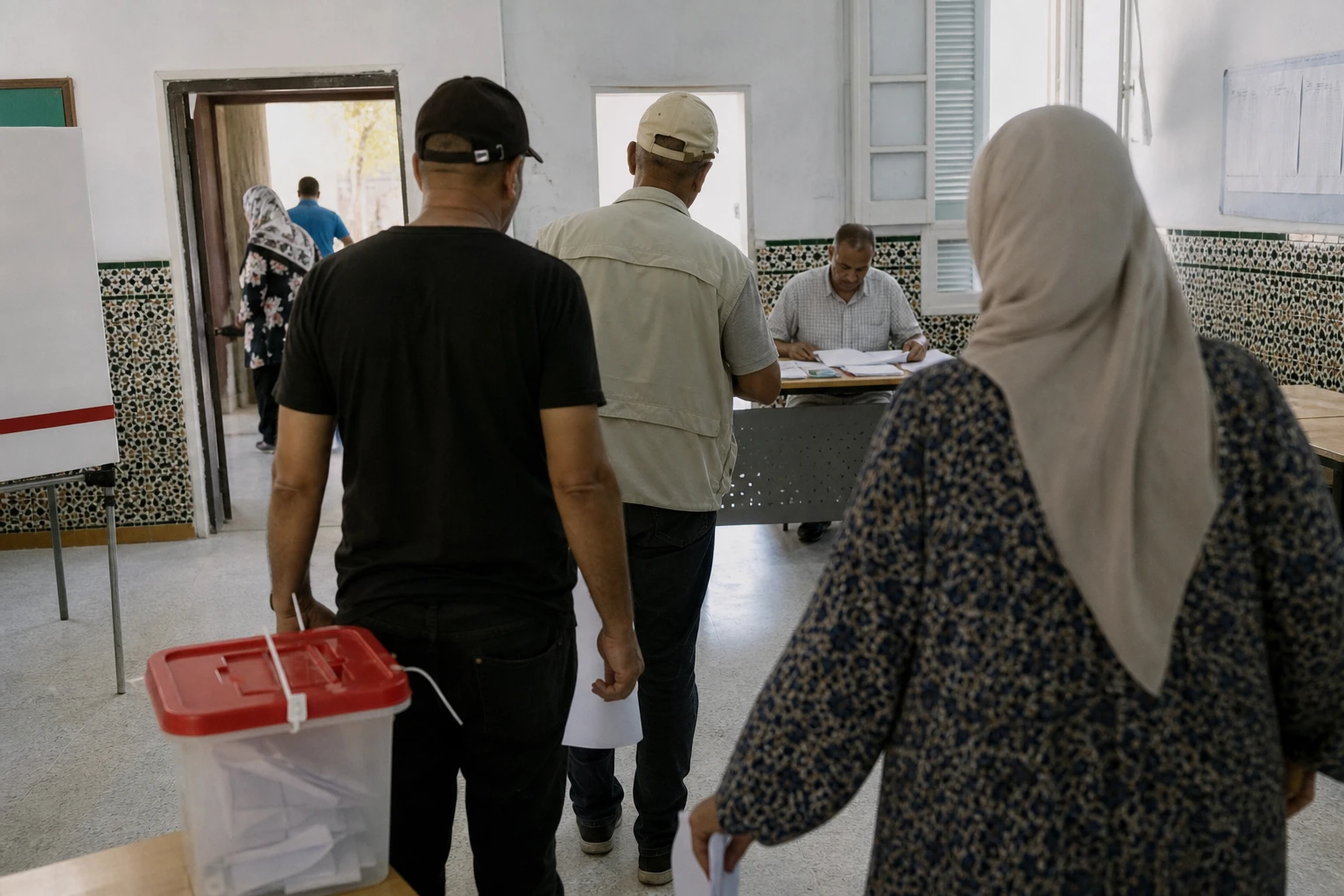
The Maghreb faces another spell of extreme heat
When the thermometer climbs above 45°C for several days, the weather is no longer just a matter of comfort. It affects travel, health, water, electricity and the pace of work, especially in inland cities and the most exposed rural areas. This week, the Maghreb is experiencing precisely this kind of spell, with marked contrasts from one country to another, but the same pressure on communities.
At the heart of the episode, Tunisia, Algeria and Libya are facing very high peaks. In Morocco, the situation is evolving differently, with temperatures gradually easing and showers, sometimes thundery, over some mountain ranges. This regional contrast is a reminder that in the Maghreb, hot air masses, local winds and the geography of plains, plateaux and coasts can produce very different weather conditions at the same time.
Tunisia, Algeria and Libya: weather services maintain alerts
In Tunisia, the National Institute of Meteorology reports temperatures of between 42 and 48°C in most regions, with readings of 37 to 41°C along the coasts and in highland areas. The institute also says that, since Sunday 23 August 2026, maximum temperatures have been 6 to 10°C above seasonal norms. The spell is expected to persist across most of the country, with the possibility of a chergui, a hot, dry wind that intensifies the furnace-like conditions.
The picture in Tunisia is not limited to this week. The INM has already published a preliminary bulletin showing that July 2026 was exceptionally hot, with a national average temperature of 31.7°C, or 3.4°C above the normal of 28.4°C. The same bulletin ranks July 2026 as the second-hottest July since records began, behind July 2023. In other words, the current spell is arriving on top of already intense heat.
In Algeria, the National Meteorological Office has issued a special weather bulletin for Wednesday and Thursday, with temperatures potentially reaching 49°C in several wilayas. The alert was reported by APS, which said the areas concerned had been placed under orange-level vigilance. The forecast puts several Algerian regions among the most exposed in the Maghreb during this episode.
In Libya, the National Meteorological Centre has forecast that the heatwave will continue in the west of the country, with maximum temperatures of between 39 and 47°C. The term “heat dome” was used by the Roya Foundation for Space Science, which forecast a peak on Wednesday and Thursday in the north-west, particularly in the Jeffara plain, where temperatures could reach 45 to 47°C. Night-time will bring little respite, with minimum temperatures expected to remain between 30 and 35°C.
Why the air is heating up so much, and why some areas are more affected
In all three countries, the mechanism is familiar but formidable: hot air settles in, sinks into the lower layers of the atmosphere, compresses and heats up further. The air mass becomes more stable and therefore less able to disperse. The result is an accumulation of heat, muggy nights and a widening gap between temperatures and seasonal norms. In Libya, the Roya Foundation explicitly links the episode to this sinking air.
The practical impact is not the same everywhere. In capitals and coastal areas, humidity or sea breezes can soften some of the blow, but not eliminate it. In inland regions, semi-arid plains and areas with a strongly continental climate, the heat is more intense and lasts longer. In Tunisia, inland regions are forecast to be the most exposed. In Algeria, the special bulletin covers several inland wilayas. In Libya, the Jeffara and western areas are experiencing the highest daytime and night-time temperatures.
The consequences are also economic. When the heat persists, electricity demand rises, water consumption increases and agricultural schedules come under strain. Travel is reduced to the coolest hours. Construction, transport, market and informal-sector workers, many of whom work in Maghreb cities, bear the brunt of prolonged exposure. Older people, children and those with chronic illnesses remain the most vulnerable, especially when temperatures do not fall enough at night. These weather alerts also stress the need for caution, hydration and avoiding direct exposure to the sun.
A Maghreb experiencing different weather at different speeds
Morocco, by contrast, is following a different course this week. The Directorate General of Meteorology forecasts a gradual fall in temperatures across most of the kingdom until Saturday, while conditions remain summery and sunny. Showers, sometimes thundery, are expected in the Atlas and the Oriental region, with low cloud over some Atlantic coasts and plains. Morocco’s alert therefore focuses on the combination of localised heat, thunderstorm activity and sometimes strong winds, rather than a widespread heatwave.
This difference is a useful reminder when looking at the region: the Maghreb does not experience the same weather at the same pace. A heat front can hit Tunis, Algiers and Tripoli while another system brings showers and a slight cooling to Morocco. National meteorological services therefore work country by country, with separate vigilance maps, even though the same Saharan air can influence several capitals at once during certain periods. Morocco has established a dedicated public alert system, while Tunisia and Algeria also issue special bulletins during dangerous weather episodes.
At continental level, this latest episode highlights the growing risk of extreme heat in the arid and semi-arid regions of North Africa. It raises a very practical question: how can residents, water supplies, electricity networks and agricultural activities be protected over the long term against spells that are longer, earlier or later than before? The answer will play out on the ground in the coming days, but also depend on the ability of meteorological services, municipalities and health authorities to circulate useful information quickly, without unnecessary alarmism and without underestimating the areas most at risk.