Algeria
 Egypt
 Libya
 Morocco
 Sudan
 Tunisia
 Benin
 Burkina Faso
 Cabo Verde
 Côte d'Ivoire
 Guinea
 Guinea-Bissau
 Liberia
 Mali
 Mauritania
 Niger
 Nigeria
 Senegal
 Sierra Leone
 The Gambia
 Togo
 Cameroon
 Central African Republic
 Chad
 DR Congo
 Equatorial Guinea
 Gabon
 Republic of the Congo
 São Tomé and Príncipe
 Burundi
 Comoros
 Djibouti
 Eritrea
 Ethiopia
 Kenya
 Madagascar
 Malawi
 Mauritius
 Mozambique
 Rwanda
 Seychelles
 Somalia
 South Sudan
 Tanzania
 Uganda
 Angola
 Botswana
 Eswatini
 Lesotho
 Namibia
 South Africa
 Zambia
 Zimbabwe
A credibility test for a reform designed to capture more gold
In Accra, the question is no longer simply how much gold Ghana extracts. It is now whether the Ghanaian state can buy quickly, pay on time and retain control of a sector where every delay opens the door to value leakage. In a country where gold accounts for a large share of exports and reserves, the slightest cash-flow strain becomes a macroeconomic issue, not merely an administrative incident.
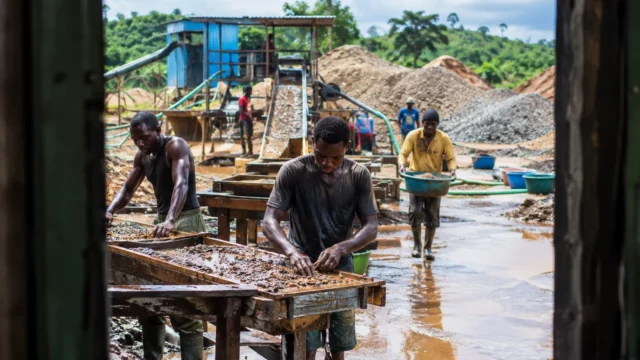
The Ghana Gold Board, or GoldBod, was established under Act 1140, adopted in 2025, to centralise the purchase, sale, export and oversight of gold, particularly gold from artisanal and small-scale mining. The system is part of a broader strategy to formalise the sector, repatriate foreign currency and strengthen the Bank of Ghana’s reserves.
A financial transition launched in spring, but already under pressure
On 11 August 2026, GoldBod said it had moved on from funding provided by the Bank of Ghana. The organisation says it now finances its own gold purchases after ceasing to receive funds from the monetary regulator for this activity in March 2026. The shift is presented as a move towards a more autonomous and sustainable model.
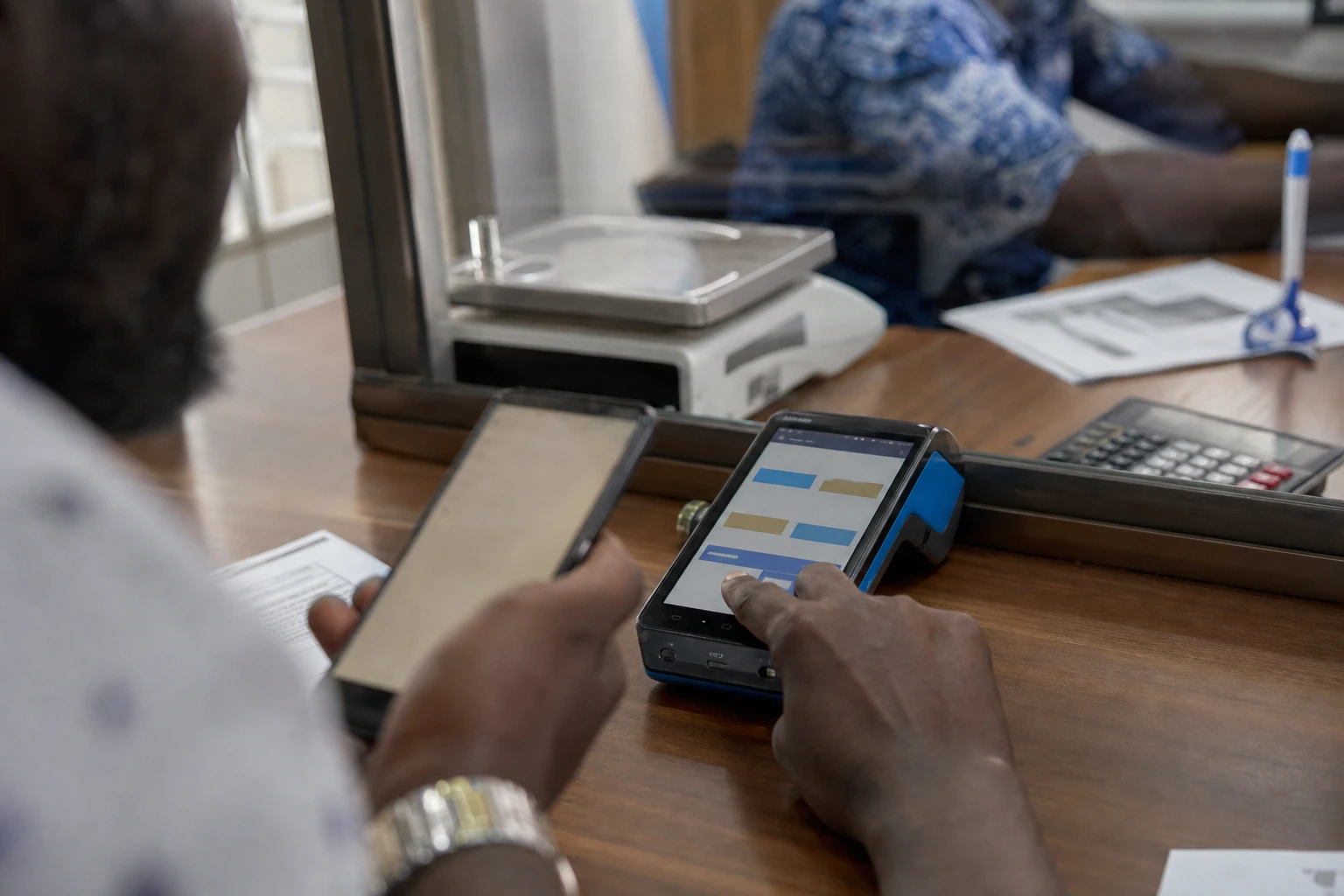
But the change is already accompanied by tensions. On 24 August 2026, Reuters reported that licensed buyers had not been paid for nearly three weeks, prompting some operators to suspend purchases or borrow to continue. Reuters also reported that a foreign-exchange mechanism had raised about $75 million before being suspended for consultations with the Bank of Ghana.
GoldBod had not publicly confirmed the delays in detail at the time of the information reported by Reuters. However, in July 2026 the organisation had already introduced a new trade-financing framework for Tier 2 buyers, with stricter requirements for bank guarantees, insurance and compliance. This shows that the transition is not improvised, but remains fragile in its day-to-day implementation.
What the figures say: a useful but costly programme
The debate over GoldBod is not only about its financing. It also concerns the cost left by the previous gold-buying scheme. The International Monetary Fund has noted losses linked to the domestic gold purchase programme and recommended better management of quasi-fiscal risks, greater transparency, and the recording of these losses in the public accounts rather than leaving them on the Bank of Ghana’s books.
In its communications, GoldBod nevertheless argues that the system is delivering tangible results. The entity points to about 103 tonnes of artisanal gold exported in 2025, worth an estimated $10.8 billion, as well as more than $450 million mobilised since March 2026 from commercial banks and gold buyers. These figures are the institution’s own assessment, but they illustrate the programme’s ambition: to secure more gold in the formal system and generate foreign currency from it.
The Bank of Ghana, for its part, said in its accounts and explanatory notes that operations linked to the gold purchase programme had weighed on its financial results. It also described the scheme as a reserve and foreign-exchange intermediation tool, before clarifying that it no longer provided direct financing for it. This development confirms that the initiative is not only about mining. It is also monetary and fiscal.
Why this matters to miners, traders and the state
For small-scale miners and licensed buyers, the issue is practical: a delayed payment blocks purchases, makes borrowing more expensive and creates room for informal channels. In a sector where prompt settlement determines access to the metal, financing is not a minor management detail. It is the condition for collection. Market participants understand this well, especially as GoldBod has also tightened its compliance and traceability rules.
For the Ghanaian state, the stakes are broader. By centralising gold flows, Accra aims to capture more foreign-currency revenue, reduce losses from under-invoicing and support the stability of the cedi, the national currency. The wager is rational. But it requires a financing system capable of absorbing the shocks of a volatile market, paying quickly and remaining transparent. Without that, the reform could produce the opposite of its intended effect: less confidence in the official system.
Governance is also a sensitive issue. Moving from financing provided by the Bank of Ghana to a model relying more heavily on commercial banks and market operators eases pressure on the central bank’s balance sheet, but transfers operational risk to GoldBod. The IMF has already noted that the programme has delivered real benefits while highlighting its costs and risks. The current challenge is therefore to strike a balance between capturing foreign currency, financial discipline and the smooth flow of trade.
A Ghanaian reform watched well beyond Accra
The issue extends beyond Ghana. In West Africa, where several states are seeking greater control over revenue from gold and other commodities, Ghana’s experience serves as a testing ground. If GoldBod manages to stabilise its model, Accra could consolidate a more rigorous gold-revenue absorption mechanism that is more visible to regional and international partners.
Conversely, if payment delays persist, the message will be clear: even an ambitious reform can run up against liquidity, the governance of flows and coordination between the state, the central bank and the market. This is what to watch in the coming weeks, as the Bank of Ghana continues to adjust its own foreign-exchange market intervention mechanisms and GoldBod attempts to stabilise its new financing framework.
For Ghana, then, the issue is not simply to sell more gold. It is to prove that gold can become an asset of economic sovereignty without weakening the operators who make it available. That is where the true measure of the new model will be decided in Accra.