Algeria
 Egypt
 Libya
 Morocco
 Sudan
 Tunisia
 Benin
 Burkina Faso
 Cabo Verde
 Côte d'Ivoire
 Ghana
 Guinea
 Guinea-Bissau
 Liberia
 Mali
 Mauritania
 Niger
 Nigeria
 Senegal
 Sierra Leone
 The Gambia
 Togo
 Cameroon
 Central African Republic
 Chad
 DR Congo
 Equatorial Guinea
 Gabon
 Republic of the Congo
 São Tomé and Príncipe
 Burundi
 Comoros
 Djibouti
 Eritrea
 Ethiopia
 Kenya
 Malawi
 Mauritius
 Mozambique
 Rwanda
 Seychelles
 Somalia
 South Sudan
 Tanzania
 Uganda
 Angola
 Botswana
 Eswatini
 Lesotho
 Namibia
 South Africa
 Zambia
 Zimbabwe
In Antananarivo, an old fear returns through families
In Madagascar, violence is measured not only in police statistics. It is also etched into the streets and neighbourhood facades, and in the way residents shut their doors earlier. In Manjakaray, in the Malagasy capital, the disappearance of two teenage girls has revived anxieties already heightened by a series of kidnappings in Antananarivo in recent months. The authorities’ response was immediate on paper, with a reward of 50 million ariary announced for information leading to the perpetrators, or about €10,000. But public reaction says something else: trust remains fragile.
The tragedy is part of a broader picture. Madagascar belongs to SADC, the Southern African Development Community, which brings together 16 member states and champions human security, regional integration and stability. In a country where Antananarivo concentrates much of the administrative, economic and security apparatus, every serious crime quickly takes on national significance. It affects families, but also markets, night-time transport, school runs and working-class neighbourhoods, where community life often depends on close ties and mutual vigilance.
What we know about the case
According to information corroborated so far, the two young women, aged 21 and 17, went missing after going out on Friday. Their bodies were found two days later in the Ambohimanga Rova area, on the outskirts of Antananarivo. The local administration described serious injuries, but investigators had not publicly released a detailed account at the time of the first reports. Caution is essential in cases of this kind: until the investigation establishes the exact circumstances, verified facts must be distinguished from neighbourhood speculation or rumours that spread quickly in the capital.
The promise of a 50 million ariary reward for useful information also places the case among those the state considers a priority. The sum announced is high enough to make an impression, but it will not solve anything on its own. Above all, it sends a dual message: that the authorities want to act, and that criminal networks or perpetrators remain difficult to identify quickly. In Madagascar, announcements of this kind are often seen as a test of the security apparatus’s credibility.
Manjakaray, meanwhile, is at the centre of very real grief. In Antananarivo’s densely populated urban areas, where families live close to one another, news never stays confined to a single household. It spreads to neighbours, shopkeepers, taxi-be drivers and parents keeping an eye on evening journeys. When a tragedy affects young women, the impact is even greater because it touches on the basic question of moving through public spaces.
A symptom of the security crisis of confidence
This case has not emerged in a vacuum. Antananarivo and other parts of Madagascar have already experienced waves of kidnappings that have fuelled a lasting sense of insecurity. Previous incidents have left a political and social mark: they have exposed criminal networks’ ability to strike at the heart of the capital, as well as the limits of the public response when investigations drag on and families feel that results are slow to come. The memory of those cases weighs on perceptions of the latest suspected homicide.
For the authorities, the challenge extends beyond the judicial case itself. It is about rebuilding trust between the police, gendarmerie, justice system and public. That trust takes time to establish, through robust arrests, transparent procedures and results explained publicly. When a neighbourhood learns that two bodies have been found but the investigation has yet to be clarified, the first consequences are often social: families change their routines, outings become less frequent, routes are altered, and the hidden cost of insecurity rises for households and small urban businesses alike.
The situation also highlights a structural feature of security in Madagascar: Antananarivo’s centrality. When the capital is affected, the repercussions are immediate because it concentrates government departments, media outlets, schools and much of the country’s decision-making. A crime committed there quickly becomes a political issue, sometimes more quickly than a similar tragedy in the provinces. This does not mean the regions matter less. It simply shows that the capital amplifies events across the country.
National significance and regional resonance
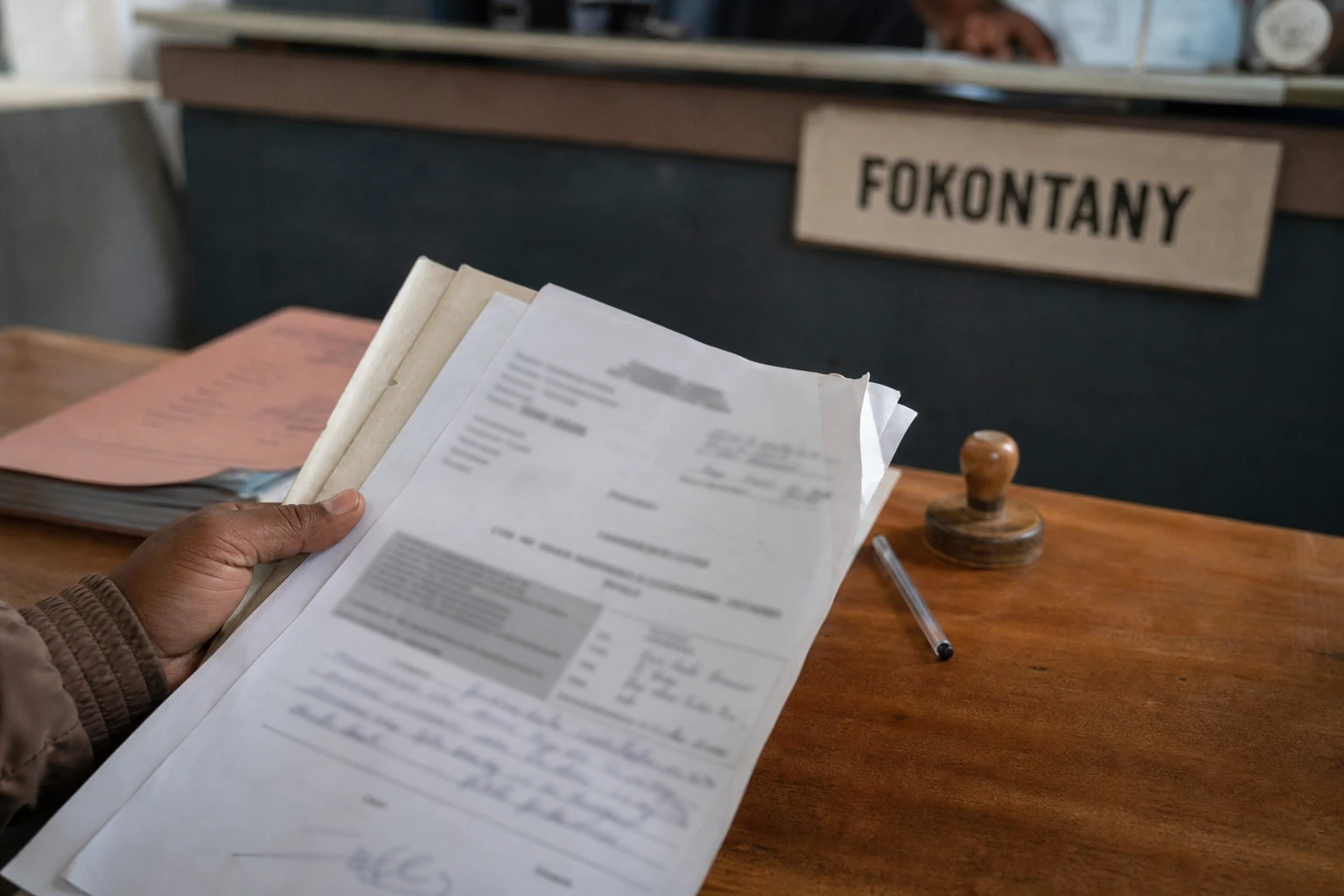
At national level, the case raises a simple question: how does an island state already exposed to climate shocks, social tensions and economic fragility protect its people in the most vulnerable urban areas? The answer depends as much on local intelligence and swift justice as on prevention. Street lighting, targeted patrols, working emergency numbers and co-ordination between the police and fokontany, the local administrative level, matter as much as major announcements.
Regionally, Madagascar is watched within SADC alongside its neighbours in Southern Africa. The organisation speaks of development, security and stability, but these goals take on concrete form when a member country must respond to rising urban insecurity. For regional partners, the issue is not solely a judicial one. It also concerns arms trafficking, cross-border criminal networks and states’ ability to protect women and young people in their capitals.
The continental significance is clear. Urban security crises are not unique to Madagascar, but they reveal a common demand across Africa: institutions capable of acting quickly, being held to account and offering reassurance without stoking alarm. In Antananarivo, the immediate priority is the investigation. In the longer term, the question is whether the Malagasy state can prevent another crime from once again turning into a national crisis of confidence.