Algeria
 Egypt
 Libya
 Morocco
 Sudan
 Tunisia
 Benin
 Burkina Faso
 Cabo Verde
 Côte d'Ivoire
 Ghana
 Guinea
 Guinea-Bissau
 Liberia
 Mali
 Mauritania
 Niger
 Nigeria
 Senegal
 Sierra Leone
 The Gambia
 Togo
 Cameroon
 Central African Republic
 Chad
 Equatorial Guinea
 Gabon
 Republic of the Congo
 São Tomé and Príncipe
 Burundi
 Comoros
 Djibouti
 Eritrea
 Ethiopia
 Kenya
 Madagascar
 Malawi
 Mauritius
 Mozambique
 Rwanda
 Seychelles
 Somalia
 South Sudan
 Tanzania
 Uganda
 Angola
 Botswana
 Eswatini
 Lesotho
 Namibia
 South Africa
 Zambia
 Zimbabwe
In Kinshasa, the Kabila case goes beyond a sanctions dispute
In the Democratic Republic of the Congo, a financial sanction imposed in Washington can quickly become a political battle in its own right. That is the case for Joseph Kabila, the former Congolese president, who is challenging in US court his designation on the blacklist of the Office of Foreign Assets Control, the Treasury agency responsible for economic sanctions.
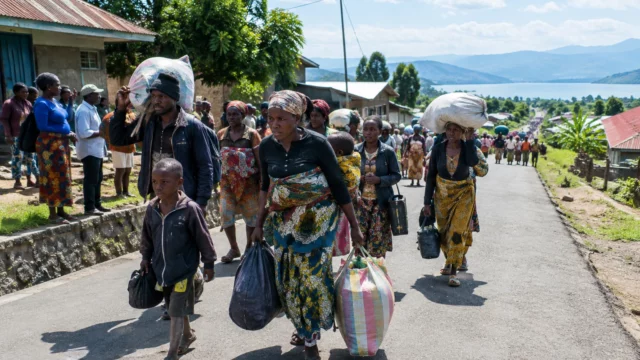
The move says much about the scale of the crisis in the east of the country. In Goma and across parts of North Kivu and South Kivu, the war is no longer being fought with weapons alone. It is also playing out on diplomatic, legal and financial fronts, with the M23 and the Congo River Alliance, or AFC, at the centre of competing accusations.
From US sanctions to a lawsuit filed in Washington
On 30 April 2026, the US Treasury sanctioned Joseph Kabila, accusing him of supporting the M23 and the AFC, two politico-military actors active in eastern DR Congo. The department froze assets within its jurisdiction and added his name to the list of blocked persons.
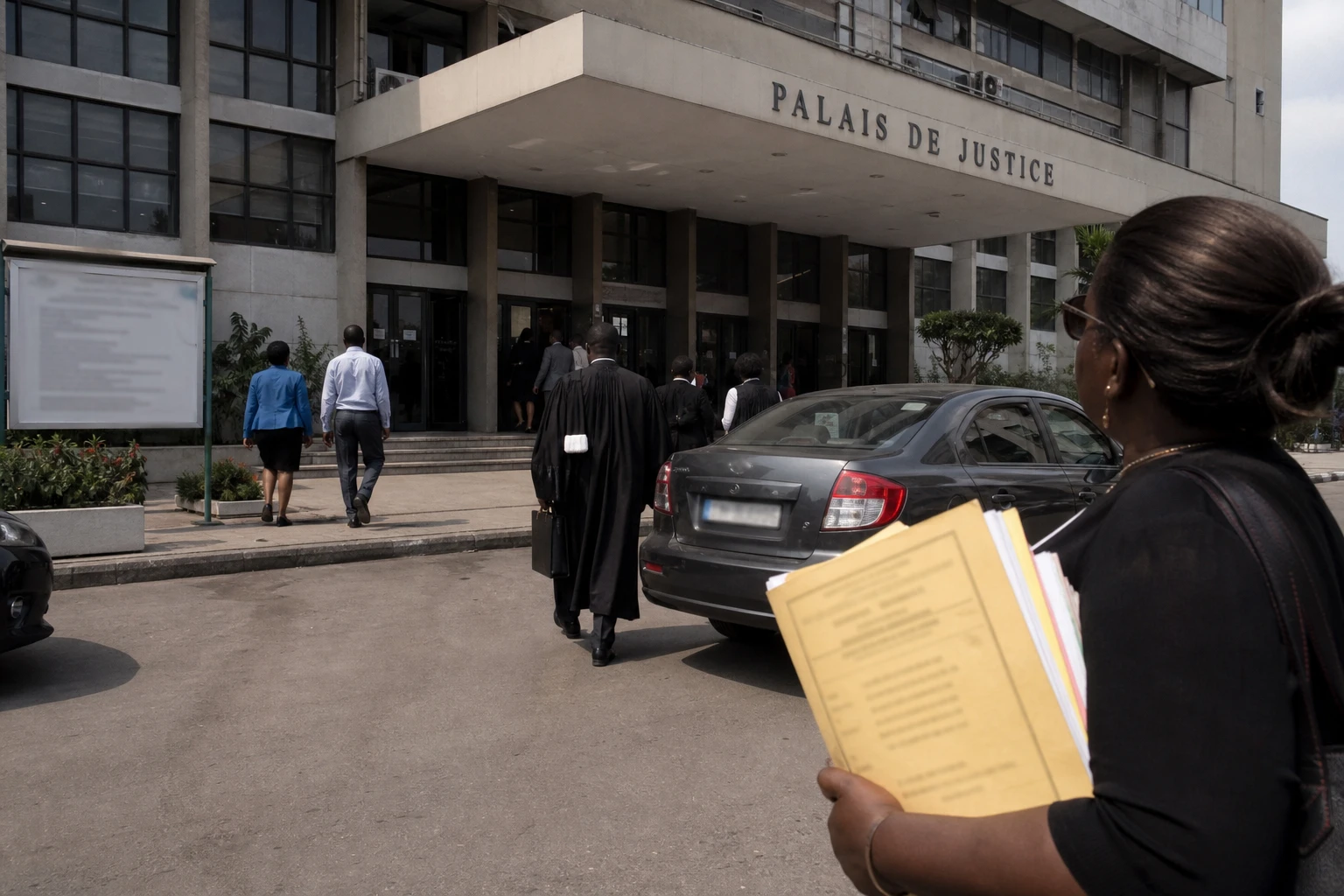
In early August 2026, the former head of state hit back in a federal court in Washington. The case, registered on 4 August, targets OFAC and seeks to have the sanctions overturned and his name removed from the blacklist. The proceedings fall under US administrative law, a conventional route for challenging a federal agency decision.
According to details cited in the lawsuit and press coverage, his defence argues that the US accusations are too broad. Joseph Kabila’s lawyers dispute that any specific transfer of money to the AFC has been identified and say they have seen no named military officer whom he allegedly encouraged to defect. They are thus contesting a decision they consider to be based on claims that are insufficiently substantiated.
Eastern DR Congo at the heart of the political and security dispute
The heart of the case is not in Washington, but in the east of the country. The UN describes the AFC as a politico-military movement allied with the M23, which is already subject to UN sanctions, and associated with serious abuses against civilians. The Security Council also notes that the group operates in connection with a rebellion that has displaced people and attacked civilian infrastructure.
In 2026, UN experts and MONUSCO have reported that fighting continues in North Kivu and South Kivu. They cite the ongoing use of drones and heavy artillery, as well as the fragility of ceasefire arrangements. In other words, the US sanctions have been imposed in an environment where the military front remains fluid and negotiations highly vulnerable.
This context also sheds light on the regional dimension. In New York, the DRC’s permanent mission recently called for the strict implementation of resolutions on the east of the country and the unconditional withdrawal of Rwandan forces, highlighting the threat posed by current developments to regional stability, particularly in Burundi. The Congolese crisis therefore extends beyond the country’s borders.
What the case means for Congolese people and the region
For Kinshasa, the stakes are twofold. Politically, Joseph Kabila remains a heavyweight figure, even after leaving office in 2019, following 18 years at the helm of the country. Legally, he is seeking to overturn a sanction that links his name to armed instability that is highly sensitive in Congolese public opinion. In substance, he is trying to separate his political legacy from accusations of support for the M23 and the AFC.
For the population, the stakes are more tangible. In the east’s urban areas, military pressure affects movement, markets, schools and the flow of goods. In rural areas, it further weakens the informal economy and supply chains. Sanctions do not stop a war, but they can deepen the isolation of an actor accused of fuelling the conflict and limit his room for manoeuvre.
For the Great Lakes region, the dispute is a reminder that a former president can once again become a cross-border security concern. The AFC and the M23 are now being viewed not only as armed groups but also as actors with political ambitions, according to the United Nations and the Congolese regional press. This increases the importance of regional mediation, the African Union, and East and Southern African mechanisms, which remain under pressure to deliver something beyond a succession of fragile ceasefires.
The next steps will therefore unfold on two fronts. In Washington, the court will have to decide whether OFAC sufficiently justified its decision. In eastern DR Congo, the real test will remain on the ground: the ability to stabilise contested areas, protect civilians and disrupt the political and financial networks that prolong the conflict. For Congolese people, the significance of the case lies less in the US proceedings than in what they reveal about a national crisis that has become regional.