Algeria
 Egypt
 Libya
 Morocco
 Sudan
 Tunisia
 Benin
 Burkina Faso
 Cabo Verde
 Côte d'Ivoire
 Ghana
 Guinea
 Guinea-Bissau
 Liberia
 Mauritania
 Niger
 Nigeria
 Senegal
 Sierra Leone
 The Gambia
 Togo
 Cameroon
 Central African Republic
 Chad
 DR Congo
 Equatorial Guinea
 Gabon
 Republic of the Congo
 São Tomé and Príncipe
 Burundi
 Comoros
 Djibouti
 Eritrea
 Ethiopia
 Kenya
 Madagascar
 Malawi
 Mauritius
 Mozambique
 Rwanda
 Seychelles
 Somalia
 South Sudan
 Tanzania
 Uganda
 Angola
 Botswana
 Eswatini
 Lesotho
 Namibia
 South Africa
 Zambia
 Zimbabwe
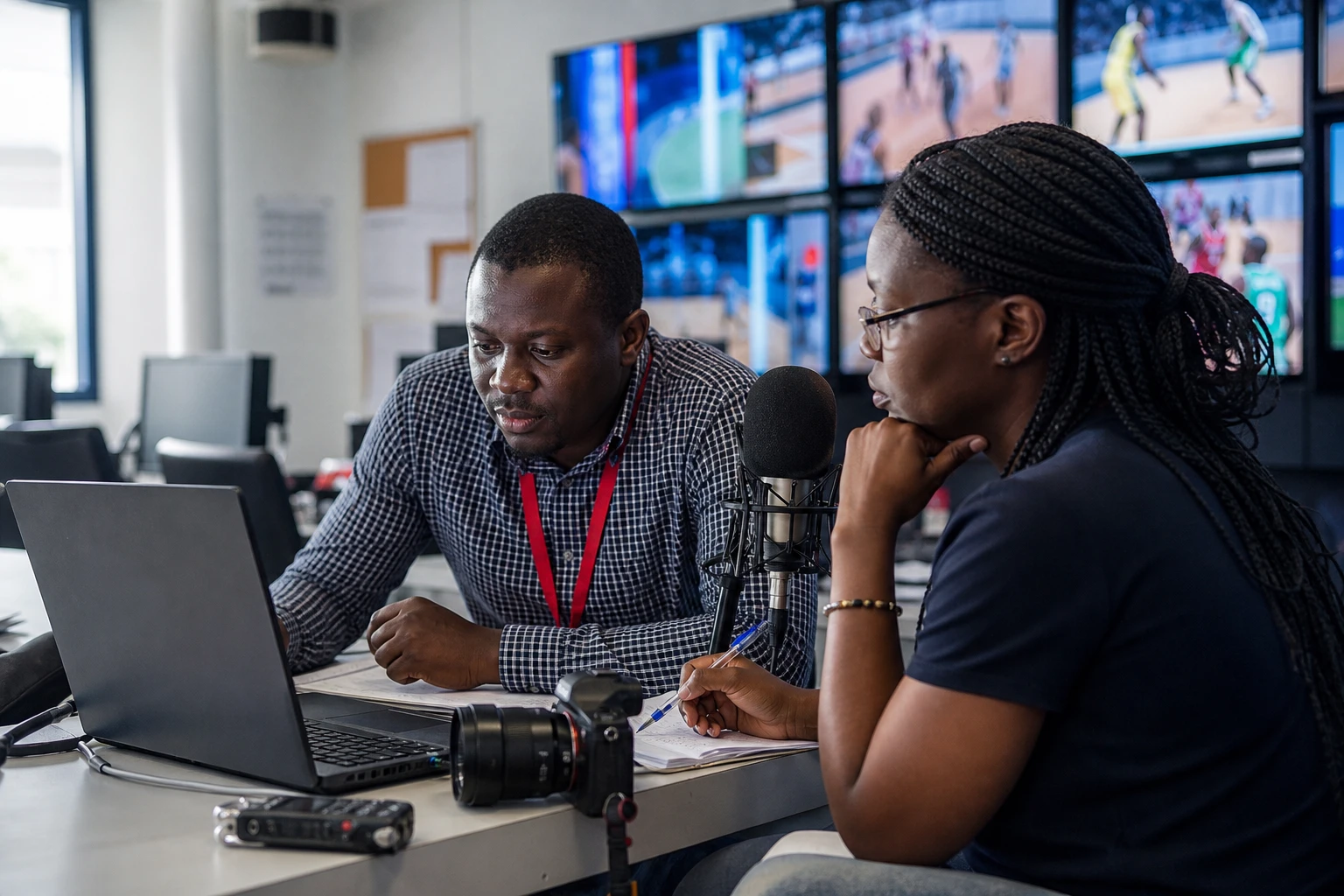
A final that says much about Mali’s player development
In Abidjan, the Mali-Nigeria clash is more than a match between young teams. At this age, it tests the strength of a development model, the depth of the talent pool and a country’s ability to produce basketball players ready for the highest level. For Mali, a basketball nation in West Africa, more than the trophy is at stake. The team must confirm its rare consistency on the continent and show that the next generation can match those that came before it.
This final is part of a regional competition familiar to basketball fans. The FIBA U18 Women’s AfroBasket, organised by FIBA Africa, brings together the continent’s best women’s national teams under the age of 18. The 2026 edition is being held in Abidjan, Côte d’Ivoire, from 5 to 16 August, with 12 teams, and serves as a qualifying tournament for the next Women’s U19 World Cup. The two finalists secure their places. For African federations, this rule gives every tournament immediate sporting and strategic value.
Mali, a benchmark; Nigeria, a rising rival
The figures show the scale of the contest. FIBA notes that Mali have won nine titles in the competition’s history and claimed the 2024 edition in Pretoria. The Malians beat Nigeria 76-56 in the final after an unbeaten run. The West African team has also won three of the last five U18 tournaments. Nigeria, meanwhile, have a clear ambition: to turn promising finals appearances into a continental title.
This rivalry is no mere quirk of the schedule. In 2024, Nigeria had already reached the final and recorded their best-ever result in the category, a silver medal. In 2026, the Nigerian women return with greater collective experience and a more regular presence in the last four. FIBA also notes that Mali, Nigeria, Cameroon and Uganda all secured their places at the 2026 edition during the qualifying phase, underlining the continued strength of regional powers in women’s youth basketball.
Mali’s campaign in Abidjan once again reflects a style built on collective discipline. In 2024, Mali finished with six wins from six matches, including a controlled final against Nigeria. In youth competitions, this kind of consistency matters as much as a big scoreline. It reflects well-drilled patterns, a selection culture and sustained work that is no accident. It also helps explain Mali’s enduring place in African basketball, among both women and men.
More than a sporting contest: an institutional test
For both countries, the final carries a tangible prize: securing a place at the U19 World Cup and preparing for the next stage of the cycle. FIBA says the 2026 tournament awards Africa’s two places at the next U19 World Cup. Qualification therefore rewards more than a successful campaign. It also provides direct access to a higher level of competition, which can benefit the development of players, coaches and federations. At this stage, the result matters as much for visibility as for technical progress.
Mali, whose capital is Bamako, knows what this kind of success can mean at home. Youth team victories help foster a positive sporting imagination, especially when they come at a time when sports institutions are seeking to strengthen coaching, local competitions and talent identification. Malian basketball has often showcased a disciplined and ambitious youth. A continental final is a reminder that performance also depends on a system: clubs, schools, the federation, medical support and a steady run of competitions.
For Nigeria, the challenge is different but just as important. The country has an immense population base and a dense sports network. Yet, in women’s youth categories, turning that strength into titles remains a challenge. Beating Mali would mark a symbolic breakthrough. It would also send a message across West Africa, where sporting rivalry between major nations helps raise the overall standard.
What this final says about African basketball
Across the continent, Mali-Nigeria encapsulates a broader trend: the centres of gravity in African women’s basketball are no longer confined to senior teams. Performance is built earlier, through U16 and U18 teams capable of feeding the next generation. That is precisely what FIBA Africa seeks to achieve with a well-structured continental tournament followed by a pathway to the U19 World Cup. The system rewards countries able to sustain development, competition and continuity.
The pan-African significance is clear. A final between two major West African nations is about more than a sporting contest. It shows that Africa is producing competitive players, established coaches and teams able to remain at the top over time. The Abidjan tournament will also test the organisation, the visibility of women’s basketball and the federations’ ability to build on their talent. Attention will then turn to the next stage of the international calendar, where both finalists will need to show that their status in Africa can translate to the world stage.