Algeria
 Egypt
 Libya
 Morocco
 Sudan
 Tunisia
 Benin
 Burkina Faso
 Cabo Verde
 Côte d'Ivoire
 Ghana
 Guinea
 Guinea-Bissau
 Liberia
 Mali
 Mauritania
 Niger
 Nigeria
 Senegal
 Sierra Leone
 The Gambia
 Togo
 Cameroon
 Central African Republic
 Chad
 DR Congo
 Equatorial Guinea
 Gabon
 Republic of the Congo
 São Tomé and Príncipe
 Burundi
 Comoros
 Djibouti
 Eritrea
 Ethiopia
 Madagascar
 Malawi
 Mauritius
 Mozambique
 Rwanda
 Seychelles
 Somalia
 South Sudan
 Tanzania
 Uganda
 Angola
 Botswana
 Eswatini
 Lesotho
 Namibia
 South Africa
 Zambia
 Zimbabwe
An industrial project that goes beyond the Kenyan market
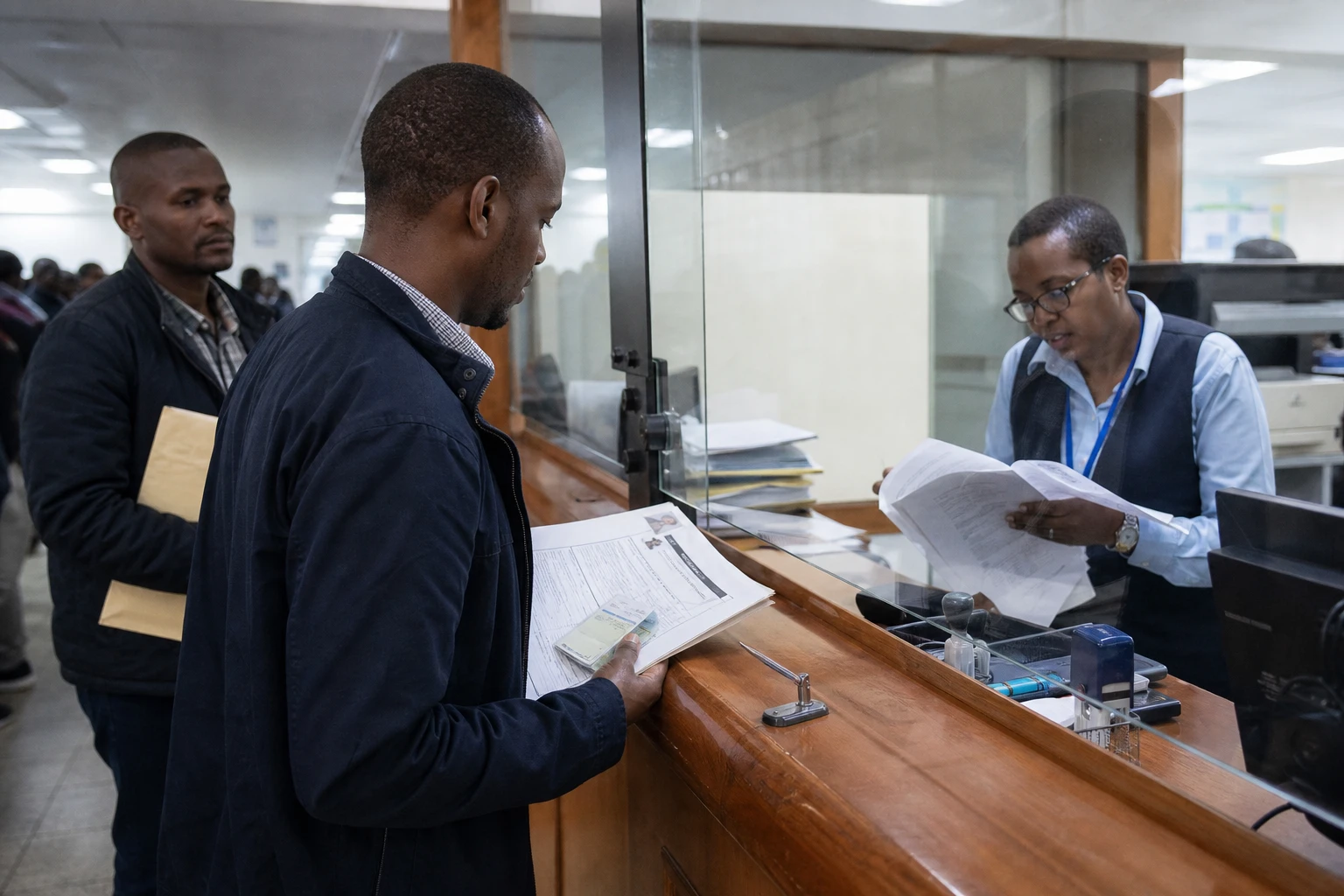
In Lamu, on Kenya’s coast, this is about more than a refinery. It is a logistics hub, an industrial gamble and a political test for Nairobi. If the project goes ahead, it could change how Kenya and parts of East Africa obtain refined fuels in a region still heavily dependent on imports.
The chosen site is no coincidence. Lamu is one of the anchor points of the LAPSSET corridor, the major infrastructure network linking the Kenyan coast with South Sudan and Ethiopia. The Kenya Port Authority already describes the Port of Lamu as a key component of this system, planned alongside roads, a railway, an airport, a pipeline and a refinery. For Nairobi, the corridor remains a way to give the country’s coastline greater prominence and open up northern Kenya.
What the project entails, and why the schedule matters
The core of the plan is clear: Aliko Dangote wants to begin construction of his future Lamu refinery in October 2026. The announced cost has been reduced from about $17 billion to $16 billion, a modest cut but one that is politically useful in showing that the project has been recalibrated. The target capacity remains 700,000 barrels of crude a day, which would make the facility the largest refinery in East Africa and one of the biggest on the continent.
The schedule matters. The group is planning a construction period of less than four years, with soil, engineering and design studies already under way. At this stage, the financing structure remains crucial. The project is to be funded 30% through equity and 70% through debt, making it essential to secure lenders and partners quickly. For a project of this scale, financing often matters as much as the first brick.
The Nigerian group also justifies this strategic shift by pointing to the experience gained at its Lagos site, which is already operational and described as a continental benchmark. The Nigerian refinery has a capacity of 650,000 barrels a day, according to the group’s official website, and Dangote now presents it as the foundation for a second major industrial hub in East Africa.
Why Lamu matters so much to Nairobi
For Kenya, the stakes are immediate. The country has had no crude-oil refining capacity since its former Mombasa facility shut down. It therefore imports refined petroleum products, as does much of East Africa. President William Ruto has repeated in recent months that East African states are seeking regional solutions to strengthen their energy security as demand grows and fuel costs weigh on public budgets and households alike.
The Kenyan government also sees fiscal and industrial benefits. In July 2026, officials in Nairobi spoke of mobilising a joint public-private team around the project, while the Kenyan press reported that the state was even considering taking a stake in the initiative. This is an important signal: the project is not being treated as a simple private-sector announcement, but as a potential part of the national infrastructure and financing strategy.
On the social front, Kenyan authorities cite around 60,000 direct and indirect jobs. This potential should, however, be viewed with caution: it depends on the pace of construction, the contractors brought in and the related activities actually established in Lamu. In a coastal area where trade, fishing, transport and small businesses already underpin the local economy, the impact will differ for major logistics operators, craftspeople, fishers and young people seeking their first job.
A project still facing local opposition and regulatory constraints
Lamu is not a blank slate. The area has already seen major disputes over large energy and port projects, particularly around community participation and environmental protection. In disputes linked to LAPSSET, the Kenyan courts had identified grievances over consultation with local communities and access to information. Rulings in 2018 and 2019 also made clear that environmental and social assessments cannot be treated as a formality.
This helps explain why the Dangote project is already drawing reservations from some residents and environmental advocates. Under Kenyan law, a major coastal project must comply with public participation rules, the requirements of the National Environment Management Authority and constitutional rights to a clean and healthy environment and to information. In a designated sensitive area, the battle is therefore not just about cost or industrial capacity, but also about the project’s procedural legitimacy.
This tension is no minor detail. It says something broader about Kenya’s trajectory: the country wants to remain East Africa’s logistics hub while ensuring that major infrastructure is not built at the expense of neighbouring communities. The debate over Lamu echoes other African discussions about the balance between energy sovereignty, industrial transition and the protection of coastal and port areas.
What East Africa is watching now
If construction actually begins in October 2026, Lamu could become a new hub for refined fuels in the region, with potential markets in Kenya, Uganda, Tanzania and South Sudan. Its significance therefore extends beyond the Kenyan market. It touches on the movement of goods, regional energy security and East Africa’s ability to capture more value on its own soil.
But the October deadline will be only one step. Before construction can begin, technical, environmental and financial approvals will have to be secured. It will also become clear whether Lamu is a win for regional integration or yet another infrastructure project slowed by land disputes, litigation and financing uncertainty. The issue is not simply whether a refinery can be built. It is whether Kenya can turn its coastline into an industrial hub serving all of East Africa without repeating the mistakes of earlier major projects left unfinished.