Algeria
 Egypt
 Libya
 Morocco
 Sudan
 Tunisia
 Benin
 Burkina Faso
 Cabo Verde
 Côte d'Ivoire
 Ghana
 Guinea-Bissau
 Liberia
 Mali
 Mauritania
 Niger
 Nigeria
 Senegal
 Sierra Leone
 The Gambia
 Togo
 Cameroon
 Central African Republic
 Chad
 DR Congo
 Equatorial Guinea
 Gabon
 Republic of the Congo
 São Tomé and Príncipe
 Burundi
 Comoros
 Djibouti
 Eritrea
 Ethiopia
 Kenya
 Madagascar
 Malawi
 Mauritius
 Mozambique
 Rwanda
 Seychelles
 Somalia
 South Sudan
 Tanzania
 Uganda
 Angola
 Botswana
 Eswatini
 Lesotho
 Namibia
 South Africa
 Zambia
 Zimbabwe
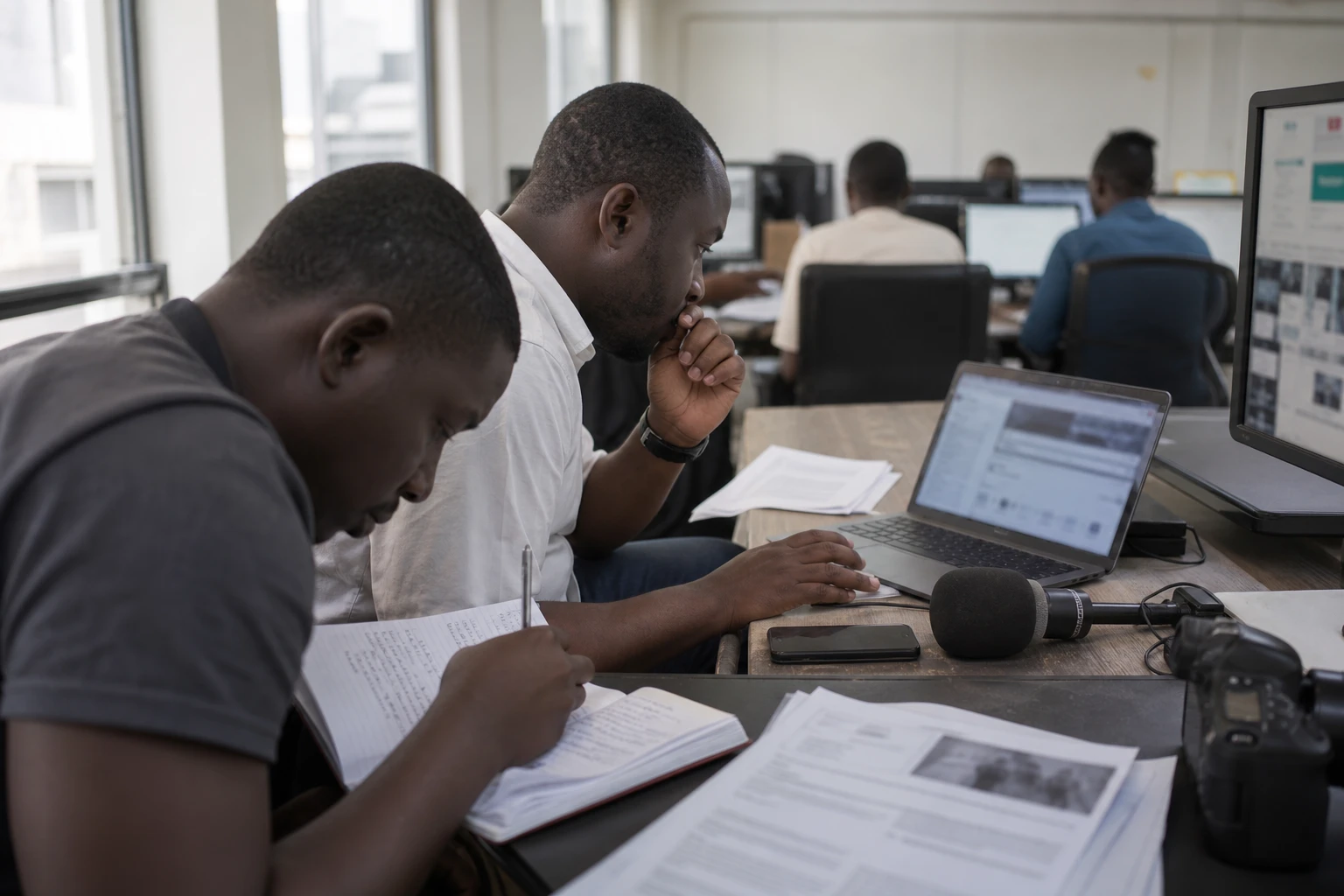
In Conakry, digital life is being squeezed
For many Guineans, social media is no longer just a place to chat. People sell, inform, recruit, listen, order and protest there. When Facebook, TikTok or YouTube become difficult to access, an entire everyday economy slows down, particularly in Conakry, where small businesses and content creators have widely incorporated these platforms into their activities.
Since Tuesday 28 July, access to several of these services has once again been disrupted in Guinea. Users say they have to use a VPN to get around the blocks. The authorities had provided no public explanation at the time the latest restriction was observed, even though the platforms affected are among the most widely used in the country.
A familiar pattern in Guinea’s digital landscape
This is not an isolated incident. Restrictions on digital access have multiplied in Guinea since 2023, amid a political climate in which online public space plays a central role. NetBlocks documented restrictions targeting Facebook, WhatsApp, Instagram, TikTok and other services on 17 May 2023. Internet Society later recorded blocks affecting WhatsApp, Telegram, Facebook, Twitter, Instagram and YouTube between 24 November 2023 and 22 February 2024.
Another episode in spring 2026 showed that the same pattern persisted. Between 15 and 17 April, the Guinean authorities restricted access to Facebook, Messenger, YouTube and TikTok, without any public official justification. Africanews later confirmed that access had been restored after several days of disruption. ABLOGUI, the Association of Bloggers of Guinea, said at the time that it had technically confirmed the block.
This timeline helps explain the current anger. According to local associations, the latest shutdown would be the sixth since 2023. Such frequency sets a troubling precedent. It normalises a measure that, until recently, seemed reserved for protests, electoral tensions or moments of crisis.
The facts, then the consequences
Civil society groups have a clear message. ABLOGUI denounces an infringement of the right to information and freedom of expression. The Guinean Consumers’ Defence Union, meanwhile, points to the losses suffered by small and medium-sized enterprises. M’Bany Sidibé notes that many businesses now operate through social media, particularly where online shopping has become commonplace.
The effects of this kind of restriction are not felt equally. Larger organisations sometimes have alternative channels. SMEs, informal sellers, photographers, delivery workers, stylists and online resellers feel the shock more quickly. In Conakry, where announcements, prices and customers circulate largely through WhatsApp, Facebook or TikTok, a few days of blockage are enough to disrupt orders, delay payments and reduce the visibility of offers. This assessment draws on documented experience of other shutdowns in Guinea and broader analyses of the cost of internet shutdowns in Africa.
The problem goes beyond commerce, however. It also affects journalism, civic expression and access to practical information. In a country where social media often serves as a conduit for traditional media, blocking it does not just cut people off from entertainment. It narrows the space in which alerts, videos, testimonies and cross-checks circulate. Digital rights organisations see this shift as a worrying normalisation.
A political, legal and regional issue
Guinea does not operate in a vacuum. It is a member of ECOWAS, the Economic Community of West African States, whose standards and judicial precedents are increasingly influential on national practices. In 2023, the ECOWAS Court of Justice ruled that internet shutdowns imposed by Guinea during protests in 2020 and 2021 were illegal, an important reminder of the rights to freedom of expression and access to information.
This precedent matters. It shows that a digital restriction is not merely a technical or security decision. It raises questions of law, proportionality and public accountability. When the authorities say nothing, suspicion takes hold. When they offer little explanation, the debate shifts to rumour. And when blocks are repeated, trust in institutional decision-making erodes, particularly amid a political transition in Conakry that remains sensitive.
The High Authority for Communication and the Regulatory Authority for Posts and Telecommunications are then at the centre of a debate that goes beyond the issue of offensive content or hate speech. What is at stake is the boundary between regulation and censorship. Several civil society groups fear that a temporary exception could become an administrative reflex. The signal sent across the sub-region is strong, as other West African states have already experienced similar shutdowns during political crises or social movements.
What to watch from Conakry
What happens next will depend first on a simple point: will the authorities confirm, lift or explain the restriction? Without a clear response, Guinea will remain exposed to a succession of partial shutdowns, costly for households and businesses alike. With a public explanation, the debate will turn to the measure’s legal basis, duration and proportionality.
The implications extend beyond Guinea. In West Africa, where the digital economy is growing and platforms serve as marketplaces, newsrooms and civic spaces, every shutdown tests the strength of civil liberties. Guinea, whose recent trajectory remains shaped by political transition and the growing role of digital technology in social life, is sending a signal that will be read far beyond Conakry.