Algeria
 Egypt
 Libya
 Morocco
 Sudan
 Tunisia
 Benin
 Burkina Faso
 Cabo Verde
 Côte d'Ivoire
 Ghana
 Guinea
 Guinea-Bissau
 Liberia
 Mali
 Mauritania
 Niger
 Nigeria
 Senegal
 Sierra Leone
 The Gambia
 Togo
 Cameroon
 Central African Republic
 Chad
 DR Congo
 Equatorial Guinea
 Gabon
 Republic of the Congo
 São Tomé and Príncipe
 Burundi
 Comoros
 Djibouti
 Eritrea
 Ethiopia
 Kenya
 Madagascar
 Malawi
 Mauritius
 Mozambique
 Rwanda
 Seychelles
 Somalia
 South Sudan
 Tanzania
 Angola
 Botswana
 Eswatini
 Lesotho
 Namibia
 South Africa
 Zambia
 Zimbabwe
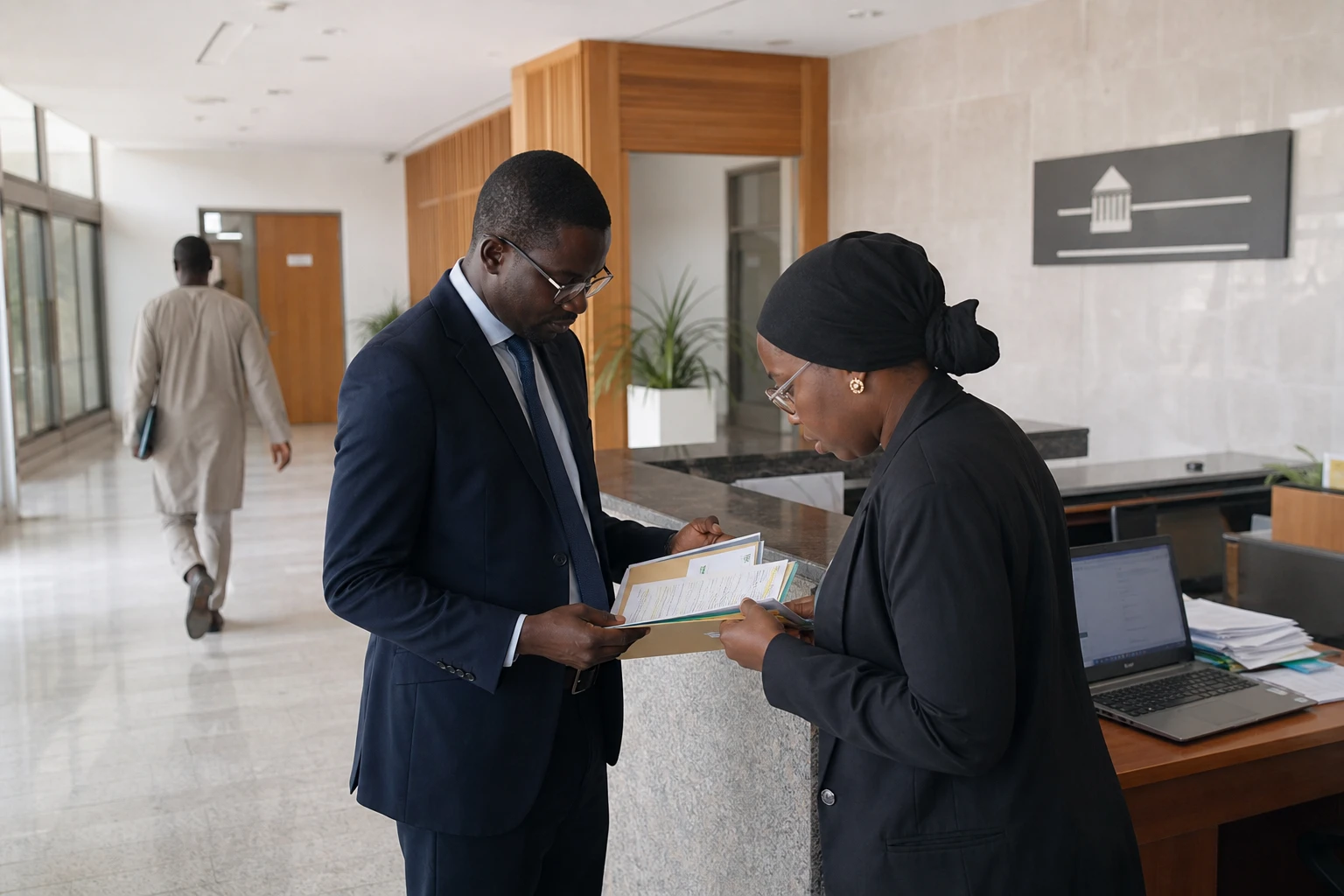
When an African candidacy is also decided in Dakar
In New York, the choice of the next UN secretary-general follows a highly codified process. But for Senegal, the stakes go far beyond an administrative succession. They concern Dakar’s prestige, continuity of the state and the place a former head of state can still occupy in global diplomacy. Since the process formally began on 25 November 2025, the organisation has held interactive dialogues with the candidates under the joint authority of the General Assembly and the Security Council. The General Assembly also set out the procedure in resolution 79/327, adopted on 5 September 2025.
In this landscape, Macky Sall’s candidacy is not simply a personal matter. It touches on a longstanding African question: how to turn national experience into multilateral credibility without erasing the political tensions of the candidate’s home country. Senegal likes to present itself as a state of dialogue and institutional stability. That image matters at the UN, but it is also tested in Dakar, where the former president left office in April 2024 and where his legacy remains contested.
A UN race in which Africa is still seeking its voice
The bid emerged at a particular moment. On 2 March 2026, Burundi submitted Macky Sall’s candidacy to the United Nations. Then, on 22 April, he took part in an interactive dialogue at the UN alongside other contenders. On 17 July, he came to inform President Bassirou Diomaye Faye of his bid. Senegal subsequently made its support for the candidacy official, a sequence that brought the debate back to the heart of Senegalese political life.
The move nevertheless exposed divisions in Africa. In April 2026, the Addis Ababa-based Institute for Security Studies said a draft African Union decision to endorse Macky Sall had been rejected after objections or requests for more time from 20 of the 55 member states. In other words, Africa did not speak with one voice. This matters because the AU is more than a political platform: it also plays a role in legitimising African candidacies for international posts.
The profile of Carlos Lopes lends weight to the analysis. The Bissau-Guinean economist headed the United Nations Economic Commission for Africa from 2012, after holding senior positions in the UN system. His perspective therefore matters in assessing the continent’s diplomatic balance. Even without repeating his words exactly, his assessment reflects a simple idea: not all African candidacies are equally vulnerable to the balance of power on the Security Council.
What the contest says about Senegal and the continent
For Senegal, Macky Sall’s candidacy is a political and symbolic test. It forces the current government to weigh institutional continuity against a critical reading of the recent past. The presidential palace has opted for republican courtesy, receiving the former president and stressing the continuity of the state. But public opinion in Senegal is divided. Some see an opportunity to raise the country’s profile. Others view it as a contested return to the international stage, before it has even found a domestic footing.
At a deeper level, this episode is a reminder that the UN remains an institution in which the five permanent members of the Security Council retain decisive influence. The final appointment is made by the General Assembly, but depends on the Council’s recommendation. This is where the real balance of power lies. For an African candidate, the challenge is therefore not only to persuade the continent’s capitals. They must also pass through the filter of major geopolitical balances, amid the war in Ukraine, a crisis of confidence in multilateralism and growing calls for reform of the organisation.
Senegal, for its part, is not speaking only for itself. A member of ECOWAS, it is part of a West Africa whose diplomatic balance has been shaken by political transitions, regional realignments and debates over sovereignty. Dakar nevertheless continues to project a culture of dialogue, compromise and mediation. The Dakar International Forum on Peace and Security, opened in April 2026 by President Bassirou Diomaye Faye, is one example. The platform is a reminder that Senegal wants to remain a place where Africa discusses security, development and governance on the basis of its own priorities.
At continental level, the Macky Sall affair also says something else: Africa is seeking not so much a single spokesperson as a way to exert influence collectively. The continent has real strengths, solid diplomatic experience and significant symbolic capital in the reform of global governance. But as long as support remains fragmented, every African candidacy will be judged on the candidate’s personal profile, their country of origin and their ability to turn regional divisions into a credible coalition. That is what deserves attention in the next stages of the UN process, more than the candidate’s name.