Algeria
 Egypt
 Libya
 Morocco
 Sudan
 Tunisia
 Benin
 Burkina Faso
 Cabo Verde
 Côte d'Ivoire
 Ghana
 Guinea
 Guinea-Bissau
 Liberia
 Mali
 Mauritania
 Niger
 Nigeria
 Sierra Leone
 The Gambia
 Togo
 Cameroon
 Central African Republic
 Chad
 DR Congo
 Equatorial Guinea
 Gabon
 Republic of the Congo
 São Tomé and Príncipe
 Burundi
 Comoros
 Djibouti
 Eritrea
 Ethiopia
 Kenya
 Madagascar
 Malawi
 Mauritius
 Mozambique
 Rwanda
 Seychelles
 Somalia
 South Sudan
 Tanzania
 Uganda
 Angola
 Botswana
 Eswatini
 Lesotho
 Namibia
 South Africa
 Zambia
 Zimbabwe
A religious city with influence far beyond its borders
In Touba, the Grand Magal is more than a major prayer gathering or a simple movement of crowds. It is also a moment when goods, money, services and jobs circulate on a scale rarely seen in a Senegalese city. In a place shaped around Mouridism, the spiritual and economic dimensions are now moving forward together, without being conflated.
This influence is not new, but it grows more pronounced year by year. In 2025, attendance at the Magal was estimated at 6.58 million people, according to a data collection exercise reported by members of the organising committee and the national press. This human tide gives a sense of an event that extends far beyond Touba, benefiting the whole Diourbel region, then Dakar, the rest of Senegal and West Africa’s trade networks.
Billions flow through Touba, but do not always stay there
A new study presented this week puts the economic impact of the 2026 Magal at 630 billion CFA francs. This figure marks a clear increase on the estimate often cited for 2017, which stood at 250 billion CFA francs. The rise is due to Touba’s population growth, but also to the increasing scale of attendance and the diversification of spending linked to the event.
The city sees spending on transport, accommodation, food, mobile phone services and money transfers. Mobile money operators benefit from a surge in activity, while retail, informal catering and transport services see a very brief but intense boost. This is one of the Magal’s paradoxes: the event generates visible wealth, while some of the added value flows to Dakar, other producing regions and sometimes abroad, where many traders source their supplies.
Agro-pastoral businesses are among the first to benefit from this exceptional demand. In 2024, the Diourbel regional livestock directorate said it had inspected meat from around 5,000 cattle, 4,000 sheep, 2,500,000 poultry, nearly 700 goats and 130 camels during the Magal. These volumes offer a glimpse of the pressure on national supply chains, from the Thiès basin to Casamance, via Dakar and the country’s northern and central livestock-rearing areas.
An economic gathering that also exposes Touba’s weaknesses
But the Magal’s seasonal prosperity does not conceal Touba’s structural constraints. A few days before the 2026 event, religious and administrative authorities once again put three long-standing issues at the top of the agenda: sanitation, roads and water. Preparations are taking place during the rainy season once again this year, complicating traffic, wastewater management and rainwater drainage.
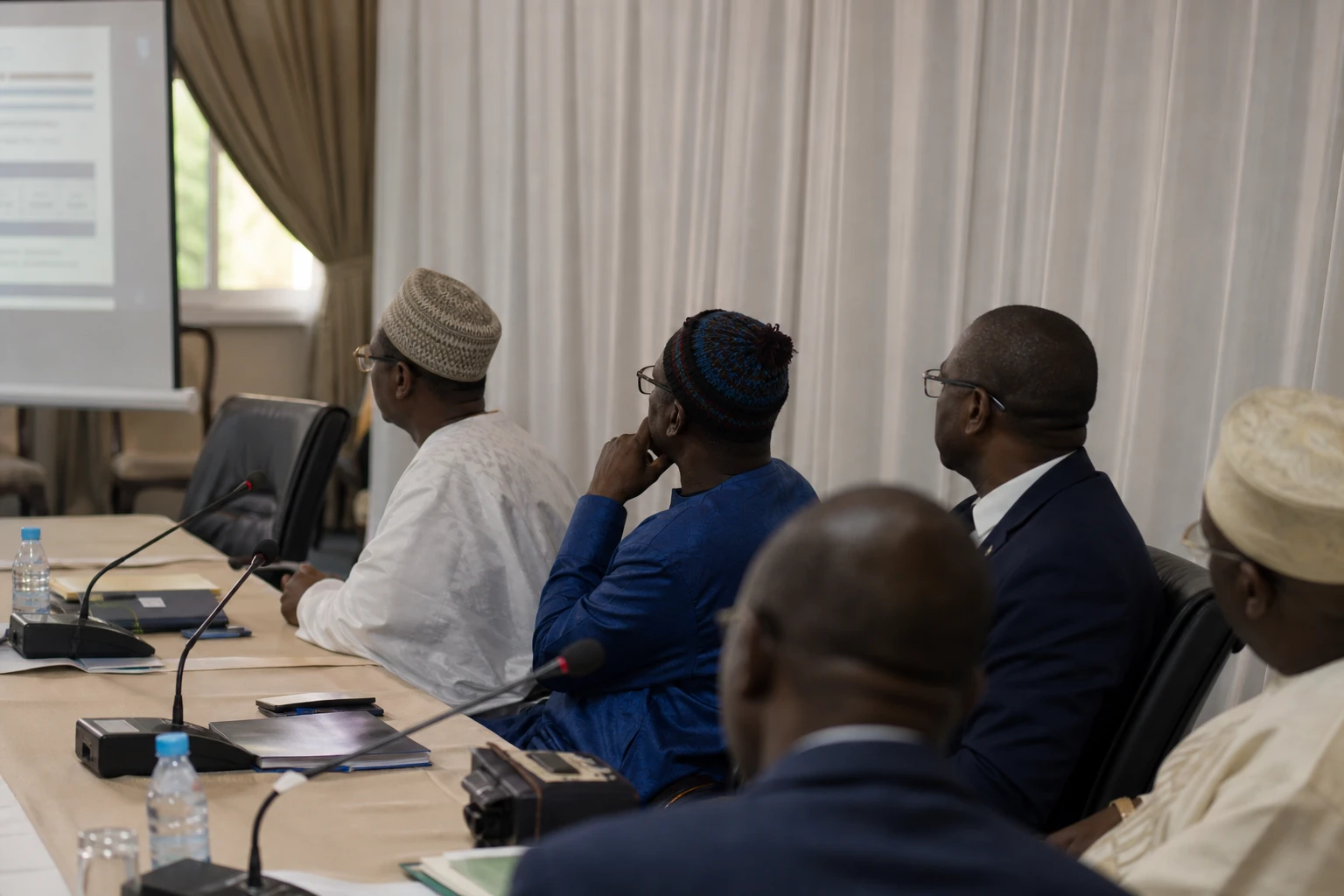
The Senegalese government has announced that it will accelerate a 60 billion CFA franc programme for Touba, including drainage works, new boreholes and improvements to the drinking water supply. Water tankers are also to be deployed during the gathering. At the same time, water services have put in place enhanced measures to secure supplies, demonstrating that the influx of pilgrims requires logistics on an almost urban scale, comparable to those of a large city.
This reality affects residents in different ways. For traders, transport operators and food vendors, the Magal opens up a rare window of income. For Touba households, it also means more traffic, greater pressure on water supplies, more waste, more noise and increased health risks. For pilgrims, the experience depends on the flow of traffic, the quality of the welcome and the city’s ability to absorb the influx without disruption. The same event can therefore be an opportunity, a constraint or an organisational test, depending on who is involved.
A Senegalese event with a West African reach
The Touba Magal says something about Senegal today. It shows the enduring place of religious brotherhoods in public life, the strength of the informal economy and the ability of a religious city to become a national centre of gravity without losing its spiritual role. It also highlights the need for public institutions to work with highly organised religious actors in a country where cooperation between the state and moral authorities remains central to stability.
At the regional level, the gathering also attracts traders from Mali, Mauritania and Guinea, reflecting its reach beyond domestic circulation within Senegal. In the ECOWAS area, where commercial and religious mobility shape a significant share of social exchange, Touba acts as a temporary crossroads. Such gatherings highlight a local African economy built on networks, trust and mobility, well before formal channels come into play.
What happens next will depend on sustained efforts, not just on the day of the Magal. Religious authorities, the administration and local authorities will have to maintain their focus on water, roads, sanitation and security if they want to turn seasonal wealth into more lasting gains for Touba, Mbacké and the Diourbel region. The real challenge is no longer simply to count pilgrims or estimate billions. It is to ensure that this gathering-based economy benefits the host city more, without drawing it away from its primary purpose.