Algeria
 Egypt
 Libya
 Morocco
 Sudan
 Tunisia
 Benin
 Burkina Faso
 Cabo Verde
 Côte d'Ivoire
 Ghana
 Guinea
 Guinea-Bissau
 Liberia
 Mali
 Mauritania
 Niger
 Nigeria
 Senegal
 Sierra Leone
 The Gambia
 Togo
 Cameroon
 Central African Republic
 Chad
 Equatorial Guinea
 Gabon
 Republic of the Congo
 São Tomé and Príncipe
 Burundi
 Comoros
 Djibouti
 Eritrea
 Ethiopia
 Kenya
 Madagascar
 Malawi
 Mauritius
 Mozambique
 Rwanda
 Seychelles
 Somalia
 South Sudan
 Tanzania
 Uganda
 Angola
 Botswana
 Eswatini
 Lesotho
 Namibia
 South Africa
 Zambia
 Zimbabwe
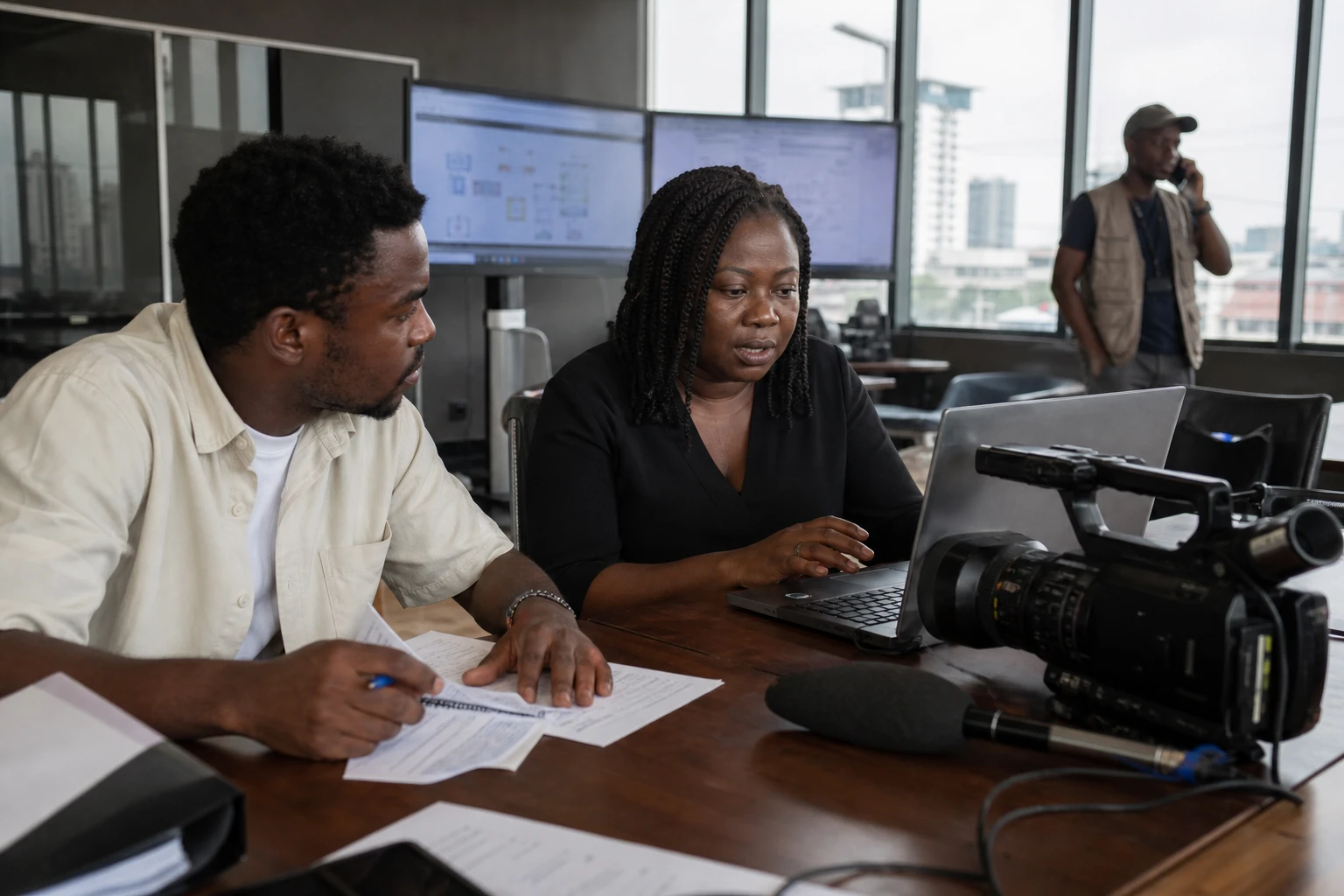
In Lubumbashi, politics begins by listening to local grievances
In Haut-Katanga, the question is not only who speaks on behalf of the government. It is also who still hears the concerns of a population weary of insecurity, delays in the justice system and economic pressure on households. In Lubumbashi, a political visit quickly becomes a test of credibility.
It was in this climate that a series of consultations was held with communities in the copper capital. The stated aim was simple: to gather grievances and take the social temperature of a strategic province, both an economic stronghold of the country and a politically sensitive area. The national debate over possible constitutional reform continues to fuel suspicions and calculations among some in Congolese public opinion. The presidency recently confirmed the prospect of inclusive national dialogue, following talks with religious denominations, while the head of state reiterated that no change could be made outside popular consultation and the institutional framework.
A charged political landscape, between Kinshasa, Katanga and constitutional reform
The DRC is going through an intense political period. On one side, Kinshasa is seeking to put national dialogue back at the centre of the agenda in a country where security crises in the east, institutional tensions and political divisions overlap. On the other, several opposition figures fear that a national consultation could become a vehicle for reforming the Constitution of 18 February 2006, the founding text of the Congolese institutional order. The presidency has stressed that any changes to this framework should comply with the procedures in place and, where applicable, be put to the people.
Haut-Katanga has a particular place in this debate. The province brings together mining interests, business networks and political ambitions, as well as a strong memory of sometimes fraught relations between the central government and political Katanga. Lubumbashi, the country’s second city in terms of economic weight, is also a place where public statements are immediately read as signals of political positioning. When envoys, local leaders or businesspeople hold a series of consultations there, the population is less interested in what they say than in what they are really preparing.
Local vigilance is also explained by the human rights climate. In 2026, Human Rights Watch again documented concerns related to repression, arbitrary arrests and impunity in the Democratic Republic of the Congo, amid reports from civil society and opposition voices that they feel under pressure.
What the consultations say, and what they reveal
In substance, consultations in Lubumbashi brought three recurring grievances to the fore: insecurity, injustice and poverty. These concerns are voiced in many Congolese cities, but they resonate particularly strongly in Haut-Katanga. Insecurity affects travel, local trade and outlying neighbourhoods. Injustice reflects perceptions of a justice system that is selective, slow or manipulated. Poverty is evident in the cost of living, access to basic services and the gap between the wealth extracted from the ground and families’ actual incomes.
Against this backdrop, the initiative attributed to Katebe Katoto looks less like a simple courtesy tour than an effort to establish a presence on the political ground. He is described as a businessman close to the government and a close relative of opposition figure Moïse Katumbi. These two readings blur the lines. They allow him to enter a range of social circles, but also expose him to suspicion that he is playing the role of a bridge between rival camps. His message was cautious: he rejected the suggestion that he had come to discuss the Constitution, saying he simply wanted to hear about the community’s practical problems. That caution does not diminish the political significance of the visit. On the contrary, it confirms it, because in the DRC, appearances often matter as much as words.
The local context gives the visit an added dimension. Political Katanga remains a place where family, business and party alliances intersect. A businessman there never speaks alone. Sometimes despite himself, he represents a network, a geography and a collective memory. That is why communities are less concerned with immediate promises than with what comes next: who will be involved in the next steps, what role local leaders will be given, and how the grievances collected will be used politically.
Between easing tensions, political calculations and a national power struggle
This episode says something broader about the DRC: the central government is trying to seize the initiative by listening, but the political landscape remains fragmented. Organisations close to the opposition want guarantees about the format of the dialogue. Supporters of the head of state, for their part, are seeking to show that there is a Congolese way to resolve internal tensions without stepping outside the institutional framework. In this in-between space, provinces such as Haut-Katanga serve as a barometer. If Lubumbashi gets on board, momentum becomes possible. If it has doubts, the message quickly reaches Kinshasa.
The significance of the episode extends beyond the Congolese political scene. The DRC is part of a region shaped by security and diplomatic realignments in Central Africa and the Great Lakes. How internal differences are handled, through dialogue or confrontation, matters to the Southern African Development Community as well as to African partners involved in stabilising the country. In recent months, Kinshasa has also sent a series of diplomatic signals at continental forums while advocating an African solution to national crises.
One simple but decisive question therefore remains: will the consultations in Lubumbashi open up a useful space for listening, or will they be just another episode in the battle for influence around national dialogue? The answer will lie less in statements than in the guarantees given afterwards, how the grievances gathered are addressed, and Kinshasa’s ability to dispel the idea that constitutional reform could proceed without genuine consensus. For the DRC, the strength of a political moment is often measured there: in the consistency between words and deeds.