Algeria
 Egypt
 Libya
 Sudan
 Tunisia
 Benin
 Burkina Faso
 Cabo Verde
 Côte d'Ivoire
 Ghana
 Guinea
 Guinea-Bissau
 Liberia
 Mali
 Mauritania
 Niger
 Nigeria
 Senegal
 Sierra Leone
 The Gambia
 Togo
 Cameroon
 Central African Republic
 Chad
 DR Congo
 Equatorial Guinea
 Gabon
 Republic of the Congo
 São Tomé and Príncipe
 Burundi
 Comoros
 Djibouti
 Eritrea
 Ethiopia
 Kenya
 Madagascar
 Malawi
 Mauritius
 Mozambique
 Rwanda
 Seychelles
 Somalia
 South Sudan
 Tanzania
 Uganda
 Angola
 Botswana
 Eswatini
 Lesotho
 Namibia
 South Africa
 Zambia
 Zimbabwe
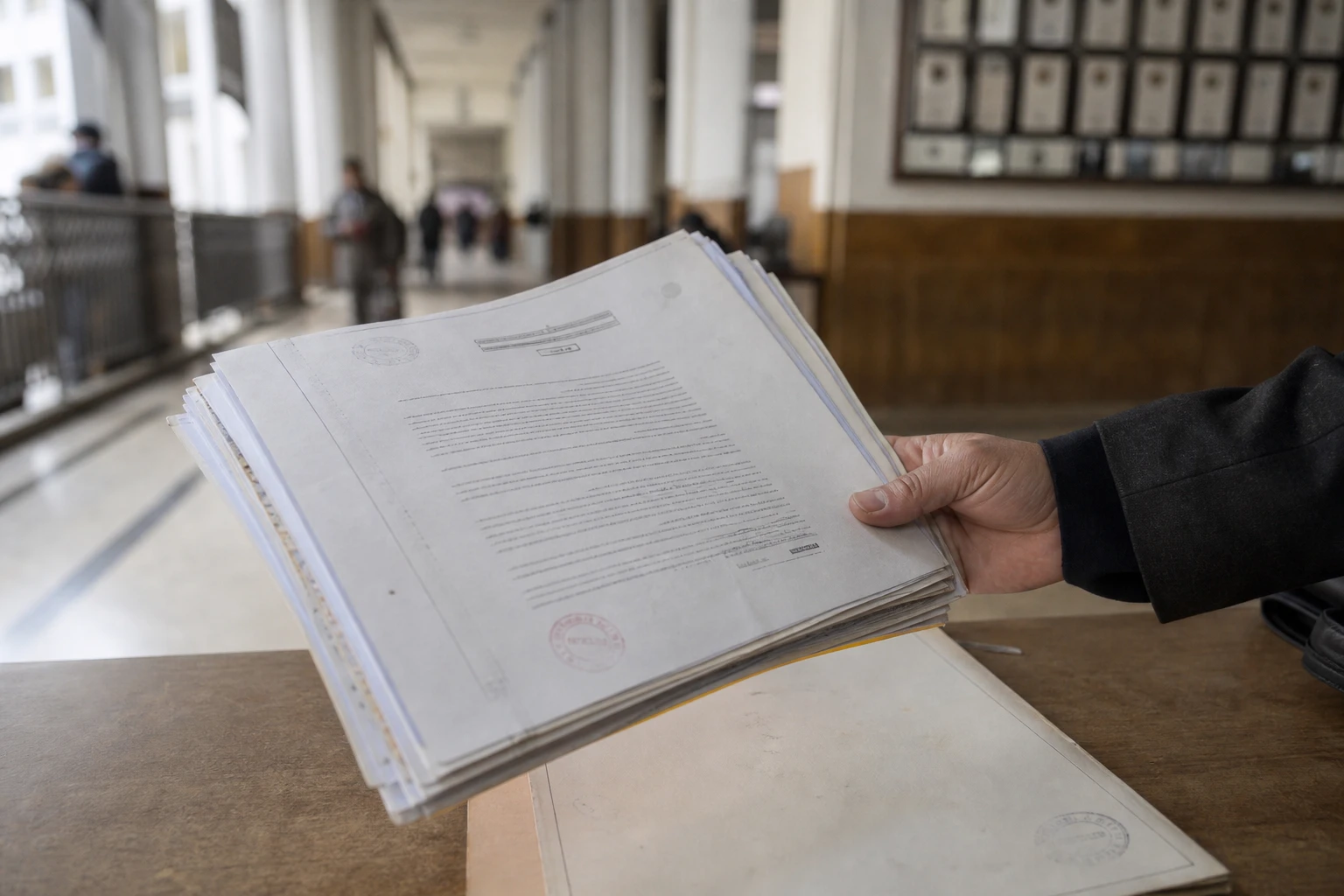
Provisional release, not an exit from the stage
In Casablanca, an artist’s provisional release does not always bring a case to a close. Rather, it reflects the balance of power between public expression, criminal justice and the space for dissent. For Mehdi Black Wind, the message is clear: he is out of detention, but his trial continues and it remains uncertain whether he can leave Morocco.
The rapper, whose real name is El Mahdi Lyoubi, spent several weeks in pre-trial detention at Oukacha prison in Casablanca. The Aïn Sebaâ Court of First Instance finally granted his application for provisional release on Friday 31 July 2026. A further hearing has already been scheduled for 2 October 2026, confirming that the case remains open.
In Morocco, this case touches on a sensitive issue: the place of critical voices in the public sphere. It comes as the country remains marked by youth mobilisations around GenZ 212, a movement born of social demands concerning education, healthcare and civic dignity. Human rights organisations and the rapper’s supporters have also denounced an infringement of creative freedom.
What the court case says
Information made public in recent weeks sets out a clear chronology. In early July, Mehdi Black Wind was taken into custody after arriving in Morocco. On 15 July, he was placed in pre-trial detention at Oukacha. On 22 July, the court postponed consideration of the case until 31 July and initially rejected his application for provisional release. On 31 July, that refusal was overturned.
The public prosecutor charged him with “insulting a constitutional institution” under Article 179 of the Moroccan Penal Code. For this type of offence, the official text provides for a prison sentence of six months to two years and a fine of 20,000 to 200,000 dirhams, depending on the nature of the acts in question. This legal detail matters because it shows that the proceedings target not so much a general opinion as content deemed to undermine the institutions.
The debate is therefore not just about a stage name familiar to the public. It also concerns the legal framework governing criticism of institutional symbols in Morocco. In cases of this kind, pre-trial detention, release under judicial supervision and adjournments become decisive instruments, because they set the pace of the trial before the substance of the case is even judged.
An artist, a movement and a society finding new ways to speak out
Mehdi Black Wind is more than just a name on the rap scene. According to several Moroccan media reports and those who have rallied around him, he has lived near Marseille for about a decade while maintaining active ties to Morocco. His support for GenZ 212 has helped give the case a resonance beyond the cultural sphere alone.
On the streets and on social media, the case quickly moved beyond the circle of fans. A petition and statements of support from artists accompanied the call for his release. In Casablanca, supporters gathered outside the court. Further afield, the mobilisation also took shape among the diaspora, showing that the question of creative freedom now resonates across Morocco, France and other French-speaking communities.
The issue is political as well as cultural. In a country where young people increasingly express themselves through collectives, songs, videos and petitions, the judicial treatment of a rapper becomes a test of trust. For the state, the challenge is to assert the authority of the law. For artists, it is a question of how far social criticism can go without crossing into criminal law.
A Moroccan case with North African implications
This episode resonates beyond Morocco. Across North Africa, several countries face similar tensions between social protest, legal restrictions on public speech and the growing role of artists in civic debate. The Mehdi Black Wind case is a reminder that a music scene can become a space for political representation, especially when political parties and trade unions are no longer enough to channel frustration.
This case should also be viewed in an institutional context. Morocco remains committed to a path of reform and modernisation, while its judicial system seeks to project both firmness and procedural safeguards. But every high-profile case becomes a public test. It shows how the courts balance the preservation of institutional order against the space left for social criticism, particularly among connected young people in urban areas.
The next date to watch is therefore 2 October 2026. Until then, the case will show whether provisional release was merely a procedural pause or the beginning of a more lasting easing of tensions. It will also show whether Morocco chooses to treat such dissenting expression as a simple criminal matter or as a symptom of a broader demand for participation and recognition from a generation organising in new ways.