Algeria
 Libya
 Morocco
 Sudan
 Tunisia
 Benin
 Burkina Faso
 Cabo Verde
 Côte d'Ivoire
 Ghana
 Guinea
 Guinea-Bissau
 Liberia
 Mali
 Mauritania
 Niger
 Nigeria
 Senegal
 Sierra Leone
 The Gambia
 Togo
 Cameroon
 Central African Republic
 Chad
 DR Congo
 Equatorial Guinea
 Gabon
 Republic of the Congo
 São Tomé and Príncipe
 Burundi
 Comoros
 Djibouti
 Eritrea
 Ethiopia
 Kenya
 Madagascar
 Malawi
 Mauritius
 Mozambique
 Rwanda
 Seychelles
 Somalia
 South Sudan
 Tanzania
 Uganda
 Angola
 Botswana
 Eswatini
 Lesotho
 Namibia
 South Africa
 Zambia
 Zimbabwe
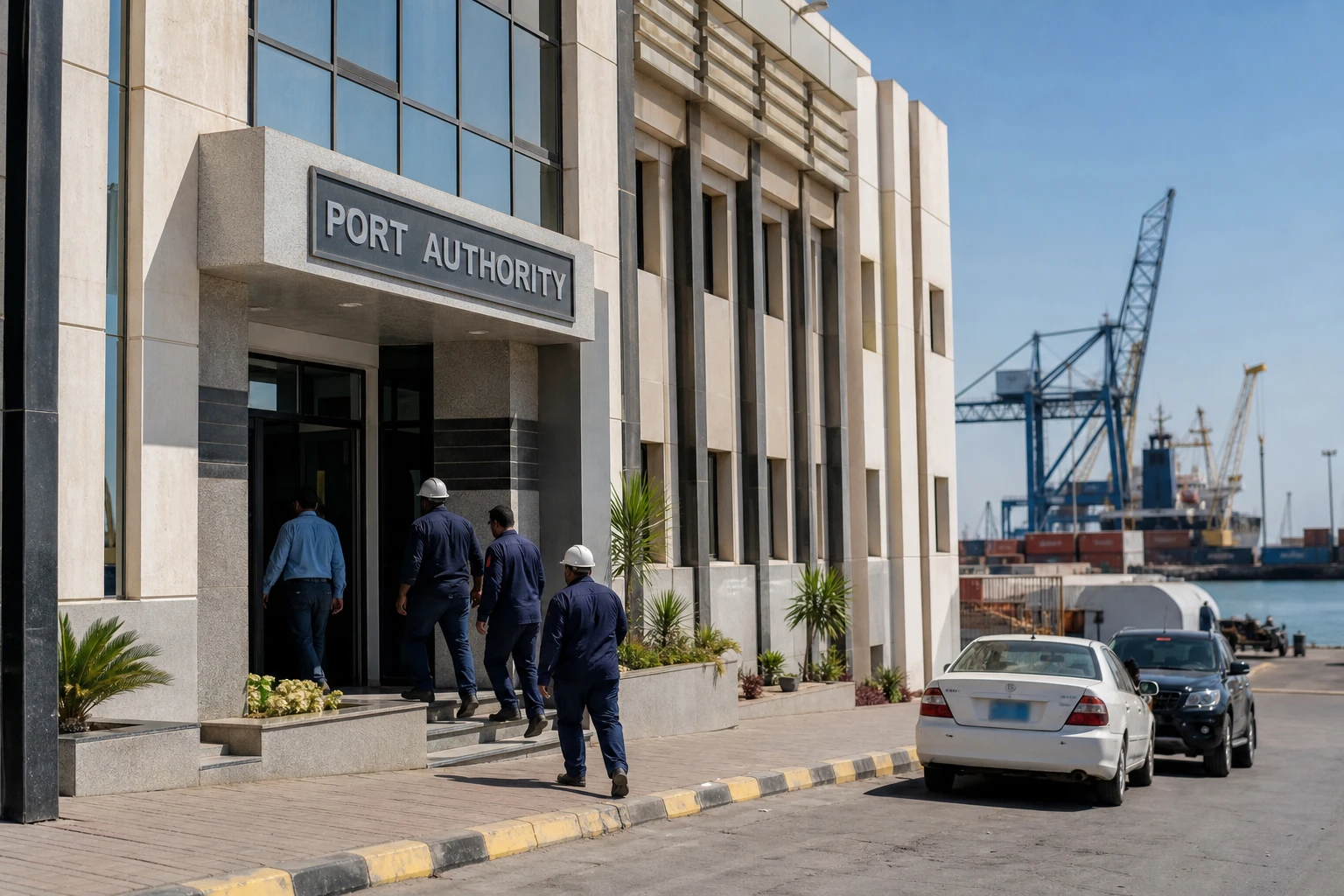
In Damietta, the alert is about more than a maritime incident
On Egypt’s northern coast, a ship fire can quickly become a matter of national security. In Damietta, the stakes go beyond a simple outbreak of flames: they involve energy infrastructure that supplies the country, supports exports and reflects part of Egypt’s Mediterranean strategy.
The port of Damietta, located in the Nile Delta, has been presented in recent weeks as a central link in Egypt’s maritime policy. Egypt’s Ministry of Transport said on 10 July 2026 that the site had recorded its highest volume of traffic since opening in 1986. The state wants to turn it into a regional hub for transport, logistics and commercial transit.
What the Egyptian authorities say about the incident
On Wednesday 29 July 2026, a fire broke out at the port of Damietta. The Egyptian Cabinet said the following day that a preliminary investigation had concluded that the incident resulted from a drone attack. The authorities said no claim of responsibility had been recorded at that stage.
Emergency services brought the fire under control, and no casualties were reported in the information consulted. The authorities had initially said that two LNG carriers had been affected by the fire. Private maritime security company Ambrey, for its part, reported the start of a drone attack on a floating storage and regasification unit for liquefied natural gas.
This sequence matters because Egypt had until now been spared the drone and missile strikes that have targeted other energy facilities in the region since the war in the Middle East widened. This is therefore the first time in this cycle of tensions that an Egyptian site has been described as directly hit.
Why the strike worries Cairo
Damietta is no ordinary port. The site is in a country that remains a key energy player in the eastern Mediterranean. The US Energy Information Administration notes that in July 2025 Egypt was the only country in the region with liquefied natural gas export capacity, although it has also used its terminals for regasification and imports as domestic demand has risen.
In this context, an attack on a gas port has a double significance. For the state, it raises questions of sovereignty and the protection of sensitive infrastructure. For the economy, it highlights the fragility of a logistics chain linking production, imports, transit and port revenues. For residents and workers at the site, it also raises a more immediate question: the continuity of employment and everyday safety around a major industrial hub.
Cairo has already shown in recent months that it views drone strikes in the region as a dangerous signal. Egypt condemned attacks near the Barakah nuclear power plant in the United Arab Emirates, followed by those against Bahrain and Khartoum airport, describing them as violations of sovereignty and worrying escalations. This diplomatic position sheds light on its reaction to Damietta: the Egyptian state wants to prevent a maritime incident from being seen as the start of a broader front.
Mediterranean and African repercussions
Beyond Egypt, the affair is a reminder that African ports, especially those in the north of the continent, are exposed to the same militarisation of trade routes as the Gulf straits or the Black Sea routes. When a gas terminal is hit, it is not only the host country that is affected. Insurers, shipping companies, gas buyers and regional markets immediately reassess the risk.
In Egypt, the case will be closely followed in the coming days as the investigation proceeds and its technical findings emerge. For North Africa, it adds to a series of incidents that show how port and energy facilities have become targets in contemporary conflicts. And for the African Union and Mediterranean countries, it confirms that civilian infrastructure can now be drawn, within seconds, into the logic of remote warfare.