Algeria
 Egypt
 Libya
 Morocco
 Sudan
 Tunisia
 Benin
 Burkina Faso
 Cabo Verde
 Côte d'Ivoire
 Ghana
 Guinea
 Guinea-Bissau
 Liberia
 Mali
 Mauritania
 Niger
 Nigeria
 Senegal
 Sierra Leone
 The Gambia
 Togo
 Cameroon
 Central African Republic
 Chad
 DR Congo
 Equatorial Guinea
 Gabon
 Republic of the Congo
 São Tomé and Príncipe
 Burundi
 Djibouti
 Eritrea
 Ethiopia
 Kenya
 Madagascar
 Malawi
 Mauritius
 Mozambique
 Rwanda
 Seychelles
 Somalia
 South Sudan
 Tanzania
 Uganda
 Angola
 Botswana
 Eswatini
 Lesotho
 Namibia
 South Africa
 Zambia
 Zimbabwe
An archipelago’s long-overlooked urban heritage
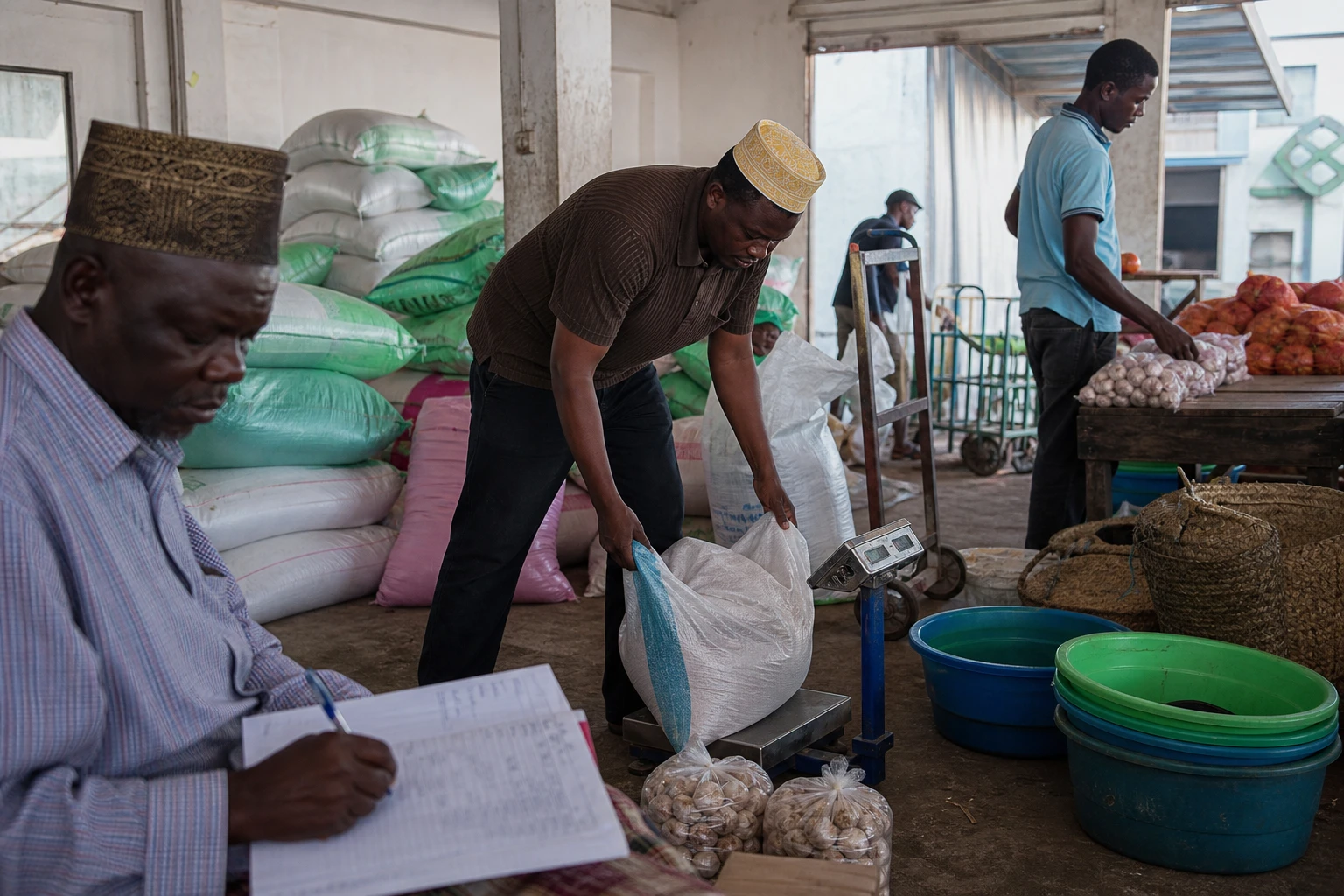
In the Comoros, heritage is not merely a memory frozen in stone. It also shapes inhabited cities, everyday practices and an urban identity linking the islands to the wider Indian Ocean world. The inscription of the historic medinas on the World Heritage List finally places this heritage at the centre of the national story, in Moroni and Anjouan alike.
The recognition comes in a country that previously had no UNESCO World Heritage sites. It opens a new chapter for the Union of the Comoros, an island state in East Africa and a UNESCO member since 1977. In a region where migration, maritime trade and religious exchanges have shaped coastal cities, the listing brings fresh visibility to heritage that has often been little known beyond local circles.
Six cities, one historical perspective
The site inscribed by the World Heritage Committee brings together six medinas: Moroni, Ntsudjini, Itsandra, Ikoni, Mutsamudu and Domoni. UNESCO says it is a serial property comprising the best-preserved parts of six historic cities on the islands of Ngazidja and Ndzuwani. These cities developed from urban centres that emerged at least as early as the 11th century, before evolving into city-states in the 14th and 15th centuries.
The inscription was confirmed at the 48th session of the World Heritage Committee, held in Busan, Republic of Korea, from 6 to 16 July 2026. UNESCO later announced, on 28 July 2026, that three new countries had joined the World Heritage List for the first time, including the Comoros. The official text emphasises the African significance of the decision and the aim of making the List more representative.
The Comorian nomination was considered following a technical field mission. In early July, UNESCO-appointed experts assessed Mutsamudu and Domoni, among other places, to inform the nomination ahead of the final review. Local officials highlighted the importance of conserving coral-stone buildings, conducting scientific documentation and preparing management plans.
What the listing changes in practice
On paper, inscription recognises the outstanding universal value of an urban ensemble. In reality, it first and foremost creates obligations. UNESCO accepted criteria (iii) and (iv), which refer to the site’s cultural significance and the importance of its architecture and urban layout. The site covers 30.47 hectares, with a buffer zone of 131.68 hectares. This perimeter requires sustained work on protection, restoration and monitoring.
For the Comorian authorities, the challenge goes beyond the ceremony. They will have to reconcile living heritage with an inhabited city, because the medinas are not museum-like settings. They remain spaces for movement, commerce, social life and memory. This calls for urban planning rules, technical resources, craftspeople trained in traditional materials and coordination between the state, municipalities, heritage custodians and residents. Without this, the listing risks remaining symbolic.
The potential benefits are also economic. World Heritage status can boost tourism, support crafts and attract funding for conservation. But this depends on a delicate balance: if land pressures, speculation or poorly managed development take over, site protection may be weakened. Conversely, shared management can help historic cities generate income without losing their social and architectural coherence.
Significance beyond Moroni
For Africa, this inscription matters in two ways. First, it adds a new country to the World Heritage map. Second, it is a reminder that a small archipelago can possess major urban heritage, rooted in the Indian Ocean trade routes, on a par with other great historic coastlines of the continent. UNESCO also presented this wave of inscriptions as a step forward for Africa and for small island developing states.
The decision also resonates across the Indian Ocean region, where the Comorian islands share common challenges with their neighbours: preserving historic centres, adapting to climate change, population pressure on coastlines and the need for culture-related jobs. The medinas of Ngazidja and Ndzuwani are a reminder that heritage is not just a legacy to protect. It is also a means of shaping the future, sustaining expertise and asserting cultural sovereignty.
Attention must now turn to local implementation: management plans, restoration funding, oversight of building work, and coordination between the municipalities concerned and national services. The strength of this first Comorian inscription will be determined there, far beyond the announcement in Busan.