Algeria
 Egypt
 Libya
 Morocco
 Sudan
 Tunisia
 Benin
 Burkina Faso
 Cabo Verde
 Côte d'Ivoire
 Ghana
 Guinea
 Guinea-Bissau
 Liberia
 Mali
 Mauritania
 Niger
 Nigeria
 Senegal
 Sierra Leone
 The Gambia
 Togo
 Cameroon
 Central African Republic
 Chad
 DR Congo
 Equatorial Guinea
 Gabon
 Republic of the Congo
 São Tomé and Príncipe
 Burundi
 Comoros
 Djibouti
 Eritrea
 Ethiopia
 Kenya
 Malawi
 Mauritius
 Mozambique
 Rwanda
 Seychelles
 Somalia
 South Sudan
 Tanzania
 Uganda
 Angola
 Botswana
 Eswatini
 Lesotho
 Namibia
 South Africa
 Zambia
 Zimbabwe
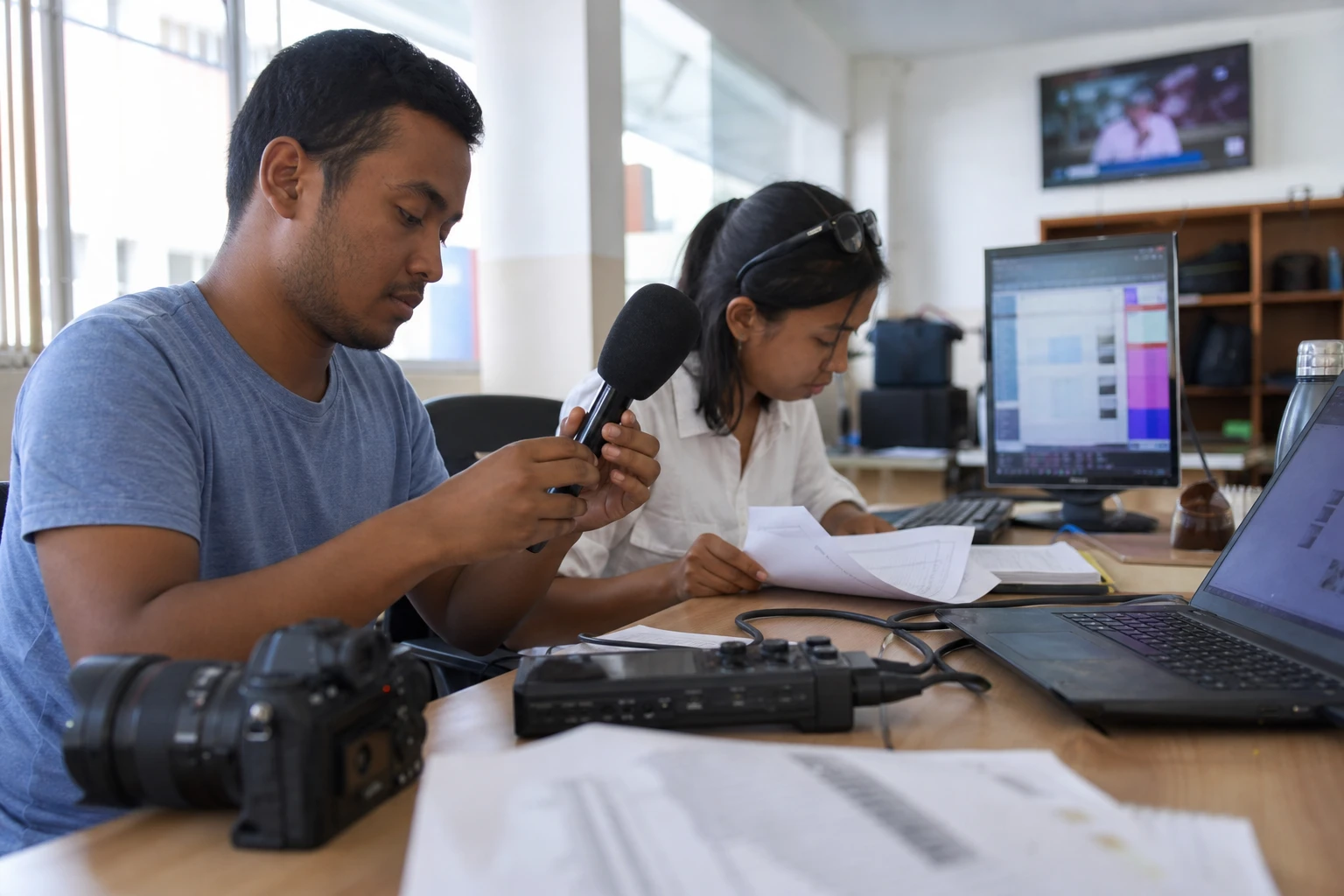
In Madagascar, efforts to reshape the country are also taking place outside official corridors
In Antananarivo, some civil society groups have chosen not to wait for the institutions’ timetable before setting out their priorities. This instinct says much about a political moment in Madagascar when citizens are seeking a place in the debate, even as the planned national consultation has yet to take concrete shape.
The issue goes beyond procedure alone. Behind this wait lies a simple question: who gets to speak first in discussions on the new Constitution, and with what tools? In a country where national consultations have often weighed heavily in efforts to emerge from crises, everyone wants to avoid arriving at the table without a clear mandate or proposals that have already been developed.
A country in transition, between internal reform and regional scrutiny
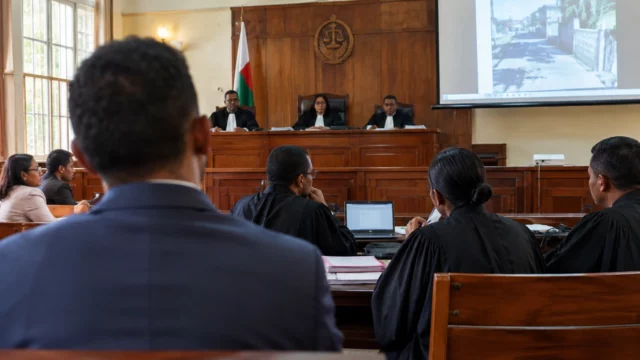
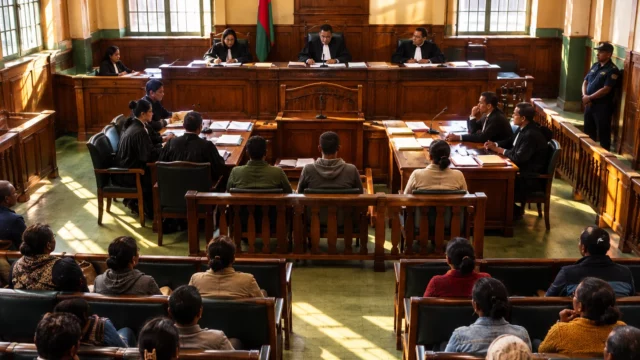
The current momentum is part of the “refoundation” process under way in Madagascar, with the stated aim of producing a new Constitution for the Fifth Republic. The official programme envisages a “sovereign, inclusive” consultation and the adoption of a constitution by referendum by June 2027.
Madagascar is not conducting this debate in isolation. The country is a member of the Southern African Development Community, or SADC, which brings together 16 states and explicitly includes good governance, peace and security among its objectives. The debate over Madagascar’s institutions is therefore also being watched at regional level, particularly after the political and security turbulence that prompted successive mediation efforts.
In this context, the Council of Christian Churches in Madagascar, the FFKM, remains an influential actor. Its role in national dialogue is not new. For several years, it has re-emerged at times of tension in an effort to create space for compromise.
Civic organisations take the initiative
In the absence of a fully launched national consultation, several Malagasy civil society organisations have decided to open their own spaces for discussion. The aim is clear: to put forward proposals before the broader consultation is finally set out in terms of its format and timetable. The approach is intended to prevent participation from being improvised and reduce the risk of the debate being captured solely by political parties.
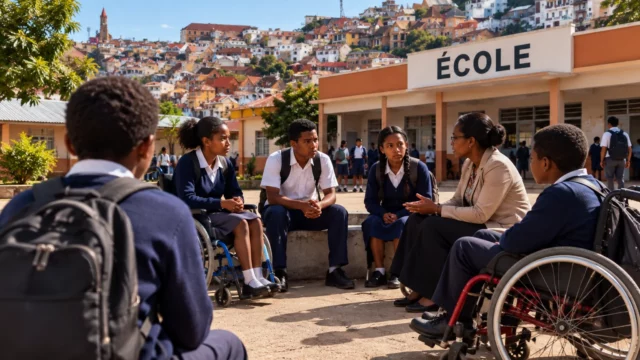
In Antananarivo, the National Council of Women of Madagascar brought together around 50 committed women from a range of backgrounds for two days: civil society, political parties, youth activists and the public administration. The exercise involved identifying issues to raise when the time comes, then turning them into structured recommendations.
Among the priorities raised, insecurity over land tenure featured prominently. In rural areas, access to land remains difficult for many women and young people because of lengthy procedures, insufficient information and a cumbersome administrative system. Public work on land tenure in Madagascar points in the same direction: the issue is one of equitable and secure access to land.
Another key proposal concerns women’s political representation. Several participants support the idea of an affirmative action mechanism in the future electoral system to increase women’s presence in institutions. This is no abstract debate. A reform of the electoral code is already the subject of a public consultation at the National Assembly, which explicitly asks whether there should be a minimum quota of women candidates on lists.
Why this initiative matters in Madagascar’s balance of power
The civil society initiative reflects a particular approach. It involves preparing for participation before the official start of the debates, to prevent the consultation from being reduced to simply approving positions that have already been set. In a political environment where timetables have been postponed several times, this choice has strategic significance.
It also says something about the prevailing mistrust. When the terms remain unclear, local actors seek to secure their place in the process. The women in Antananarivo want to influence the new Constitution, as well as the electoral rules that will follow from it. Their message is simple: waiting is not enough; they must arrive at the consultation with proposals already consolidated.
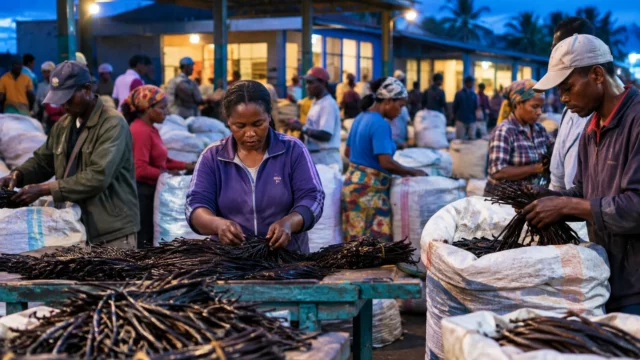
On the ground, the effects will differ between groups. For political elites, the refoundation could become a lever for repositioning. For rural residents, it must above all address concrete problems: land, access to services, legal security and local representation. For women, the stakes concern citizenship, access to resources and their place in decision-making bodies.
This period also recalls a broader precedent in Madagascar: during times of crisis, religious and social actors have often served as a bridge between rival camps. The FFKM has played this mediating role in past political tensions, which explains why it is still expected to contribute to national dialogue. But this time, civil society does not intend to remain a mere spectator.
A process to watch through to 2027
The case has continental significance because it brings together three elements: an announced institutional refoundation, strong civic mobilisation and a regional framework attentive to political stability. Within SADC, Madagascar is not, figuratively speaking, a political island. The country’s institutional balance also affects trade flows, security cooperation and the region’s democratic credibility.
The key moment to watch, then, is the official shaping of the national consultation, followed by the process’s ability to genuinely incorporate proposals from grassroots groups. In the meantime, parallel consultations, such as those held in Antananarivo, serve a specific purpose: turning waiting into political substance. In a country where procedure can determine the outcome as much as the vote itself, that is no small detail.