Algeria
 Egypt
 Libya
 Morocco
 Sudan
 Tunisia
 Benin
 Burkina Faso
 Cabo Verde
 Côte d'Ivoire
 Ghana
 Guinea
 Guinea-Bissau
 Liberia
 Mali
 Mauritania
 Niger
 Nigeria
 Senegal
 Sierra Leone
 The Gambia
 Togo
 Cameroon
 Central African Republic
 Chad
 DR Congo
 Equatorial Guinea
 Gabon
 Republic of the Congo
 São Tomé and Príncipe
 Burundi
 Comoros
 Djibouti
 Eritrea
 Ethiopia
 Kenya
 Malawi
 Mauritius
 Mozambique
 Rwanda
 Seychelles
 Somalia
 South Sudan
 Tanzania
 Uganda
 Angola
 Botswana
 Eswatini
 Lesotho
 Namibia
 South Africa
 Zambia
 Zimbabwe
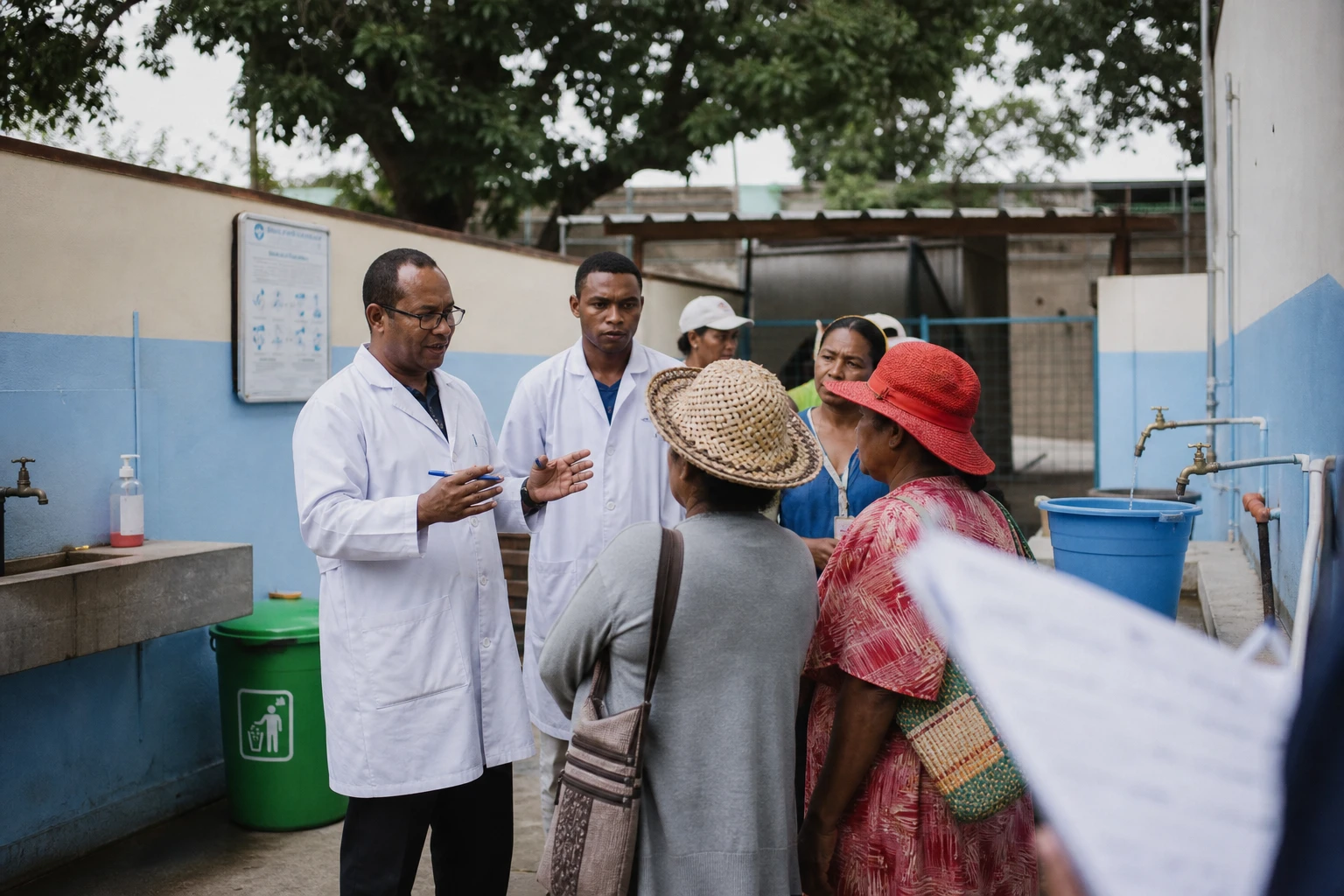
In Antananarivo, health is not decided in hospitals alone
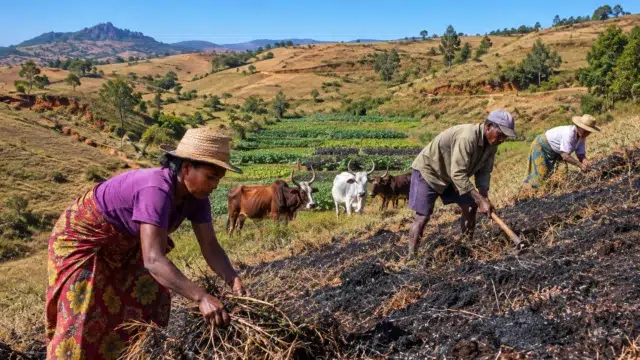
In Madagascar, talking about public health quickly means talking about safe water, sanitation, distance and time lost on the road. When a healthcare centre is far away and infrastructure is lacking, prevention becomes as important as treatment. It is against this backdrop that Marie Lucienne Domoinamalala, a Malagasy doctor active in both voluntary organisations and the institutions of the capital, Antananarivo, has built her career.
The national context remains challenging. The WHO says that in 2023, the under-five mortality rate in Madagascar stood at 69 deaths per 1,000 live births. The country also faces a relatively low life expectancy, stark regional inequalities and causes of death dominated by communicable diseases, maternal health conditions, and respiratory or diarrhoeal infections. In other words, the health system cannot be considered separately from families’ living conditions.
Recognition that highlights a much wider issue
The 2025 cohort of Young Leaders of the French-African Foundation selected Marie-Lucienne Domoinamalala as one of 30 young leaders from Africa and France. The programme received more than 6,000 applications from 45 African countries. It was presented in Antananarivo at an event focused on dialogue between France and Africa, during President Emmanuel Macron’s state visit to Madagascar.
This distinction says more than just something about one person’s career. It also highlights the growing visibility of a generation of Malagasy people working on practical issues: health, social innovation, local governance and essential services. In Madagascar, where needs remain great, people able to bridge the gap between communities, government and international co-operation are becoming strategically important.
From voluntary work in communities to municipal services
Marie Lucienne Domoinamalala’s career follows this path of connection. On the ground, she co-founded Malagasy’s Healers, an association that runs medical missions, free consultations, screening campaigns and awareness-raising initiatives in hard-to-reach areas. The aim is simple: to reduce the real cost of distance for families living far from healthcare facilities.
On the institutional side, she worked within the Water, Sanitation and Hygiene Directorate of the Urban Commune of Antananarivo. Established in 2020, the directorate co-ordinates activities related to public water points, sanitation infrastructure, hygiene and urban disease prevention. This is essential: in the Malagasy capital, public health also depends on the quality of the urban network, waste management, drainage and access to water.
The issue goes beyond household comfort. UNICEF says access to water and sanitation remains a major challenge in Madagascar, especially in rural areas, while the WHO notes that climate shocks and recurring crises undermine the continuity of care. The result is familiar: when water is scarce, preventable diseases spread more widely, consultations increase and the financial burden on families grows heavier still.
What this career says about Madagascar and the region
In Madagascar, Marie Lucienne Domoinamalala’s experience illustrates a broader trend: public health is no longer solely a matter for clinics or ministries. It now involves cities, municipalities, associations, technical partners and policies on access to basic services. Madagascar is seeking to strengthen precisely this co-ordination. The WHO speaks of improving surveillance, human resources, maternal health and health information.
This perspective also applies across East Africa and the Indian Ocean region, where Madagascar must contend with shared vulnerabilities: distance from services, climate pressures, the burden of preventable diseases and weak infrastructure. In this context, careers that bring together health, water and local governance attract interest beyond the country. They show that sustainable health policy is built as much in neighbourhoods and municipalities as in major international announcements.
The continental significance is clear: in Madagascar, as in other African countries facing marked regional disparities, the future of public health depends on the ability to link prevention, essential services and local institutions. The career of this young Malagasy doctor thus serves as an indicator. It shows that a new generation of leaders wants to tackle the concrete causes of inequality, not just its symptoms.