
 Algeria
 Egypt
 Libya
 Morocco
 Sudan
 Tunisia
 Benin
 Burkina Faso
 Cabo Verde
 Côte d'Ivoire
 Ghana
 Guinea
 Guinea-Bissau
 Liberia
 Mali
 Mauritania
 Niger
 Nigeria
 Senegal
 Sierra Leone
 The Gambia
 Togo
 Cameroon
 Central African Republic
 Chad
 DR Congo
 Equatorial Guinea
 Gabon
 Republic of the Congo
 São Tomé and Príncipe
 Burundi
 Comoros
 Djibouti
 Eritrea
 Ethiopia
 Kenya
 Madagascar
 Malawi
 Mauritius
 Mozambique
 Rwanda
 Seychelles
 Somalia
 South Sudan
 Tanzania
 Uganda
 Angola
 Botswana
 Eswatini
 Lesotho
 Namibia
 Zambia
 Zimbabwe
Fuel, inflation’s first political cost
In South Africa, filling up a car tells more than just the story of motorists’ lives. It also sums up the vulnerability of an economy that imports a large share of its fuel and quickly passes external shocks on to households, minibus taxis and freight. When diesel prices climb, the cost of everyday life rises across the board, from Pretoria to the major coastal cities.
Annual inflation reached 5.0% in June 2026, up from 4.5% in May, according to Statistics South Africa. It was the highest level since June 2024. The rise was driven primarily by transport, which became the main source of price increases. At the same time, food inflation continued to ease, limiting a broader surge in the cost of living.
The details matter. Fuel prices rose 34.3% year on year in June, with diesel up 50.8% and petrol 31.7%, according to official data. Transport inflation consequently climbed to 12.7%, from 9.4% in May. Minibus-taxi, ride-hailing and long-distance coach fares also increased, directly affecting the mobility of households with no private alternative.
What the rise says about South Africa’s economy
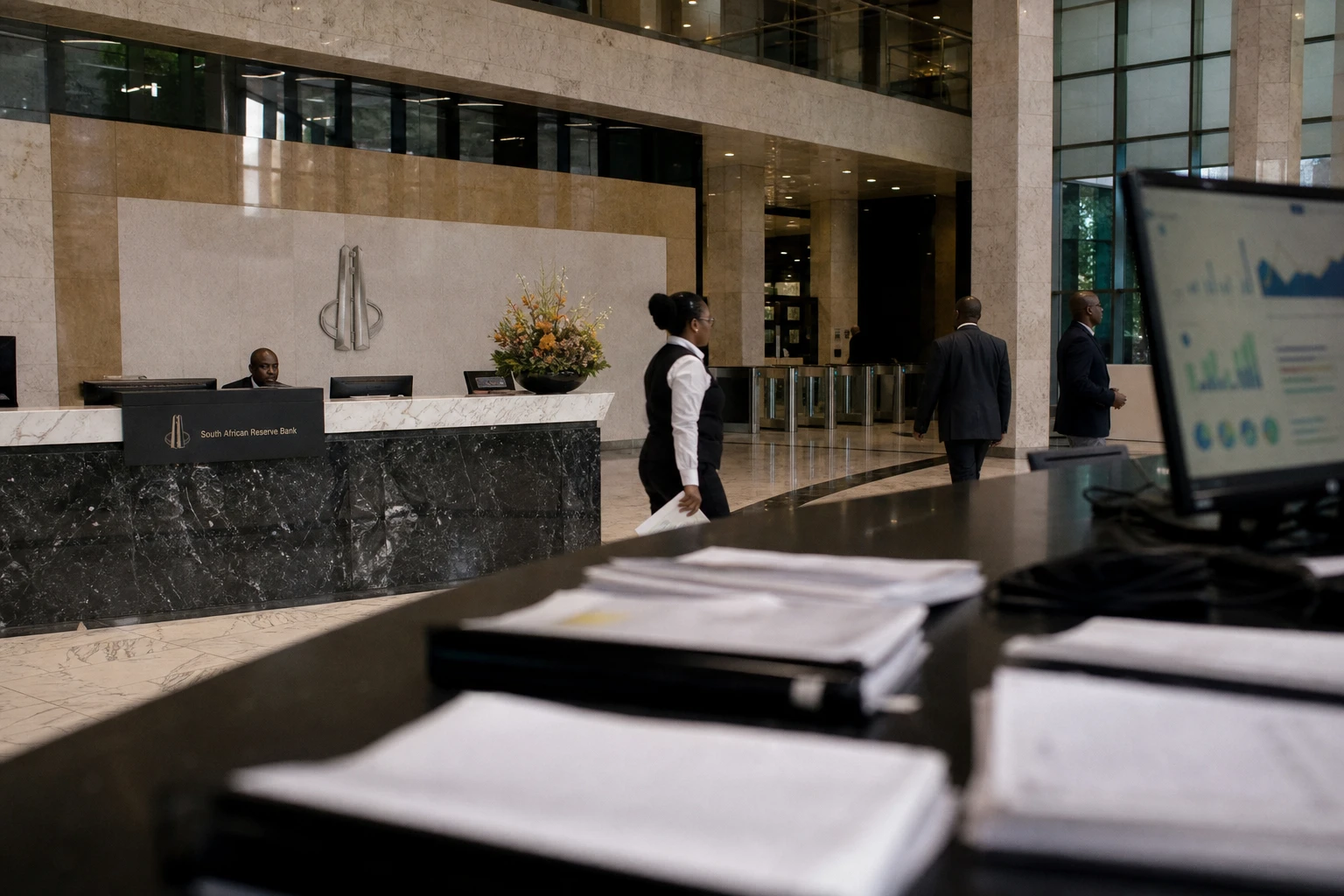
The shock is primarily monetary. The South African Reserve Bank, based in Pretoria, raised its key interest rate to 7% in May 2026 and now expects average inflation of 4.4% in 2026 and 3.7% in 2027, before returning towards 3% in 2028. The monetary policy committee meets on 23 July 2026, with room for manoeuvre still limited.
Pretoria’s official explanation emphasises the imported nature of the risk. The government points out that South Africa buys crude oil and refined products at global prices, to which transport and delivery costs are added. This means international tensions are quickly passed on to the country’s petrol stations, and then to the prices of goods transported by road.
This mechanism weighs more heavily on lower-income urban households. In South Africa, public transport, particularly minibus taxis, remains central to daily travel. When fuel prices rise, the cost of commuting increases immediately, even before consumer goods adjust in turn. Formal logistics companies absorb part of the shock, but the informal sector passes it on more quickly.
The slowdown in food prices provides a useful counterpoint. White rice, maize meal and some cereals fell in price year on year, while meat prices continued to moderate. In other words, June’s increase does not reflect generalised inflation, but pressure concentrated in energy and transport. This is an important distinction when assessing the next steps in monetary policy.
In a country marked by high unemployment and persistent inequality, this kind of shock has an uneven impact. Households with a car, a stable income or savings are better able to absorb the increase. Others must choose between transport, food, and school or medical expenses. They are the first to feel rising prices, followed by any tightening of credit.
A South African warning for southern Africa
South Africa occupies a distinctive position in southern Africa. A member of SADC, a regional community of 16 states, it remains one of the bloc’s largest economies and a logistics hub for trade across the south of the continent. When inflation accelerates in Pretoria, the effects extend beyond the domestic market. They affect supply chains, cross-border transport costs and price expectations across the region.
The international context heightens this sensitivity. Tensions in the Middle East have already caused turbulence in oil markets, and South Africa absorbs it as a net fuel importer. This kind of shock also tests the fiscal authorities, which must weigh support for purchasing power against tax revenues and macroeconomic stability.
At the continental level, the South African case is a reminder of an often-underestimated fact: African inflation does not stem solely from domestic demand. It is also driven by the cost of energy imports, dependence on road transport and the limited reach of social protection. That is why decisions taken in Pretoria resonate far beyond South Africa, in a region where several economies remain exposed to the same price shocks.
The next signal to watch is clear: the Monetary Policy Committee’s response and how the central bank adjusts its message on 2026 inflation. If fuel price pressures persist, rising prices could cease to be a purely technical episode and once again become a major social, fiscal and political issue.



