Algeria
 Egypt
 Libya
 Sudan
 Tunisia
 Benin
 Burkina Faso
 Cabo Verde
 Côte d'Ivoire
 Ghana
 Guinea
 Guinea-Bissau
 Liberia
 Mali
 Mauritania
 Niger
 Nigeria
 Senegal
 Sierra Leone
 The Gambia
 Togo
 Cameroon
 Central African Republic
 Chad
 DR Congo
 Equatorial Guinea
 Gabon
 Republic of the Congo
 São Tomé and Príncipe
 Burundi
 Comoros
 Djibouti
 Eritrea
 Ethiopia
 Kenya
 Madagascar
 Malawi
 Mauritius
 Mozambique
 Rwanda
 Seychelles
 Somalia
 South Sudan
 Tanzania
 Uganda
 Angola
 Botswana
 Eswatini
 Lesotho
 Namibia
 South Africa
 Zambia
 Zimbabwe
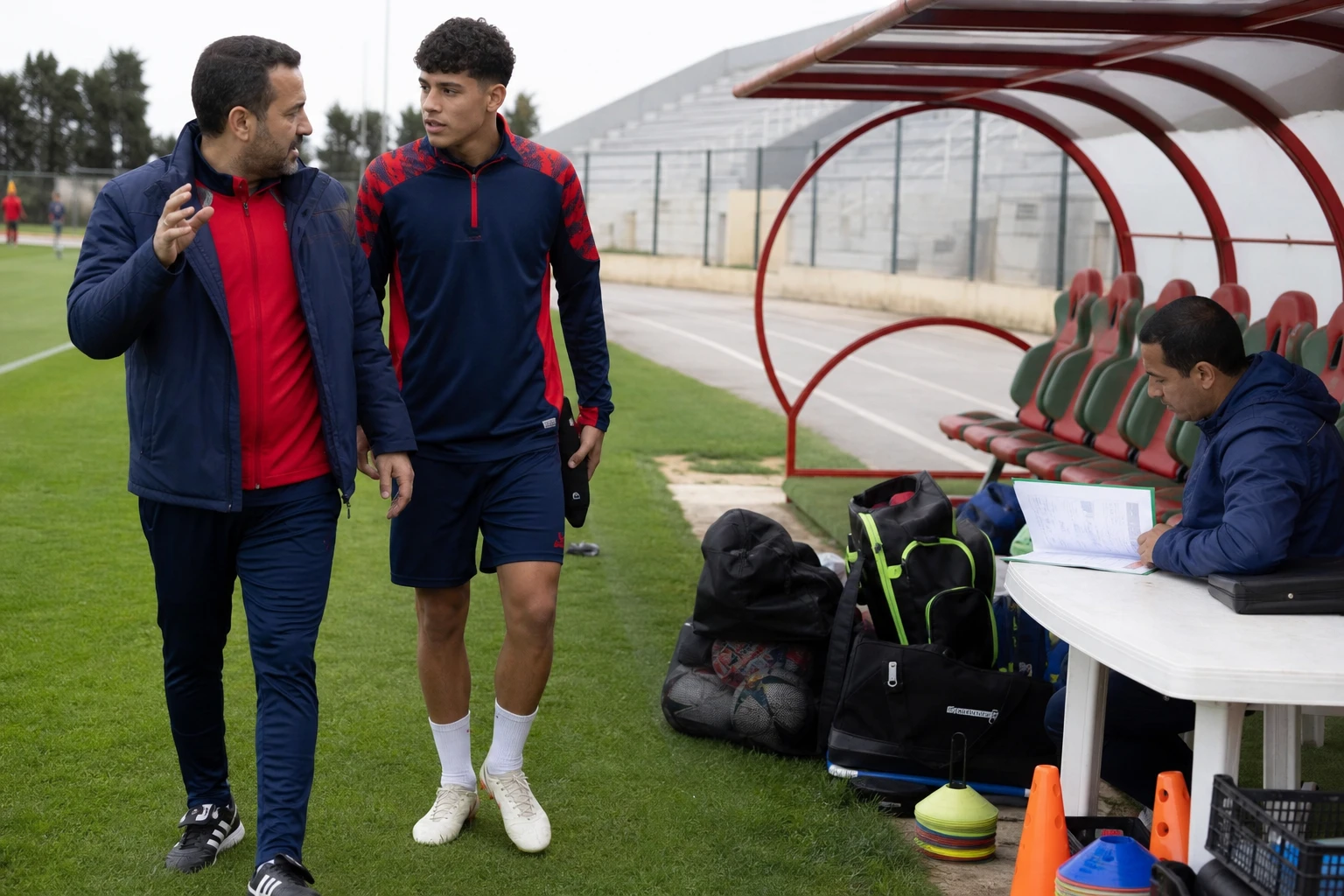
A European-trained defender now focused on Morocco
When a player accustomed to English stadiums chooses a change of horizon, the story goes beyond a simple transfer. It also touches on Morocco’s sporting identity, the movement of dual-nationality talent and Rabat’s growing role in world football. Issa Diop’s move to Ipswich Town fits into this broader picture.
In Rabat, the Royal Moroccan Football Federation has for several years made strengthening the national team with players based in Europe an explicit priority. This choice is no coincidence. It has accompanied the rise of Moroccan football since the 2022 World Cup semi-final and the kingdom’s new ambitions, which also include major projects in continental football, among them FIFA’s Africa office.
What the Ipswich deal means in practice
Issa Diop, a 29-year-old centre-back, has left Fulham for Ipswich Town, a club recently promoted back to the Premier League. His contract runs for four seasons, until the summer of 2030, according to information published at the time of the announcement. The club did not disclose the transfer fee, but several British media outlets estimated it at around £8.5 million, or approximately $11.4 million.
The player’s career helps explain the interest in this move. Trained in France and having played for French youth teams, Diop switched sporting nationality to represent Morocco, in accordance with FIFA’s rules on changing association. FIFA says a player may, subject to certain conditions, request to represent another federation if the regulatory criteria are met.
The defender has also gained visibility in the Moroccan shirt. He was included in the Atlas Lions squad for the most recent major competitions, and the FRMF has described him as a useful part of the national set-up. His presence is no mere detail. For Morocco, every player capable of raising the level of internal competition adds depth to a squad that now has high ambitions, in Africa and beyond.
From a sporting perspective, Ipswich are investing in an experienced player. Diop has already played in the Premier League for West Ham and then Fulham. He brings height, strength in duels and useful defensive reading to a club returning to the English top flight and needing to establish itself there quickly. For the player, the change of club may also offer clearer playing-time prospects, and therefore greater exposure ahead of major international fixtures.
A deal that says something about Moroccan football
This transfer tells a story beyond a simple transaction between two English clubs. It illustrates Morocco’s strategy of bringing together talent spread across the kingdom, the diaspora and European leagues. This approach paid off at the 2022 World Cup, where the Atlas Lions reached a historic milestone, and it remains evident in the FRMF’s decisions, as the federation plays an active role in global football institutions.
Morocco is no longer just a talent exporter. It is also becoming a centre of attraction and coordination. The establishment of FIFA’s Africa office in Rabat, decided in partnership with the Moroccan authorities and the FRMF, says much about this shift. At continental level, the kingdom is seeking influence over governance, training, competition organisation and the hosting of major events, including the 2030 World Cup, co-hosted with Spain and Portugal.
For Moroccan supporters, the stakes are also very tangible. A player at a Premier League club remains under close scrutiny, given the visibility of the English league and its impact on a player’s form. For the national team, every minute earned in a major league counts. For Ipswich, the gamble is on a player ready to strengthen the side immediately. For Diop, it is a career restart in a competitive setting, at a time when international schedules and expectations around the Atlas Lions are intensifying.
Finally, this signing is part of a broader trend in African football. More and more players born or trained outside the continent now represent African countries, requiring federations to focus on scouting, retention and administrative follow-up. With its infrastructure, well-organised federation in Rabat and presence in decision-making circles, Morocco has taken an early lead in this area. The challenge is to turn that advantage into lasting results in the next international windows and at major continental events.