Algeria
 Egypt
 Libya
 Sudan
 Tunisia
 Benin
 Burkina Faso
 Cabo Verde
 Côte d'Ivoire
 Ghana
 Guinea
 Guinea-Bissau
 Liberia
 Mali
 Mauritania
 Niger
 Nigeria
 Senegal
 Sierra Leone
 The Gambia
 Togo
 Cameroon
 Central African Republic
 Chad
 DR Congo
 Equatorial Guinea
 Gabon
 Republic of the Congo
 São Tomé and Príncipe
 Burundi
 Comoros
 Djibouti
 Eritrea
 Ethiopia
 Kenya
 Madagascar
 Malawi
 Mauritius
 Mozambique
 Rwanda
 Seychelles
 Somalia
 South Sudan
 Tanzania
 Uganda
 Angola
 Botswana
 Eswatini
 Lesotho
 Namibia
 South Africa
 Zambia
 Zimbabwe
An artistic case that goes beyond rap
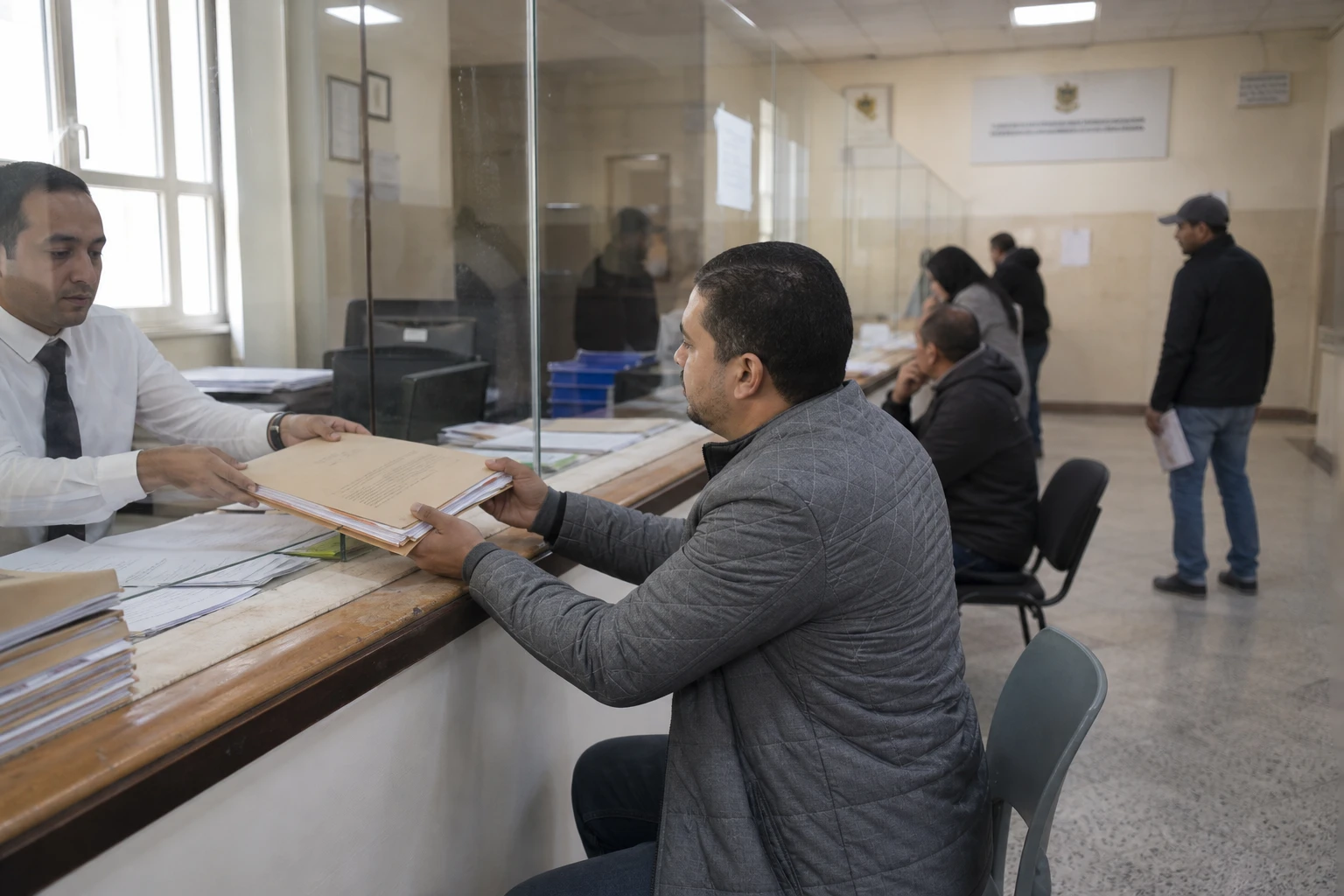
In Casablanca, a voice in Moroccan rap has found itself at the centre of a debate extending beyond music. Outside the Ain Sebaa court, relatives and supporters of Mehdi Black Wind called for his release on Tuesday and Wednesday, according to the reports consulted, after he was placed in pre-trial detention in early July.
The case touches on sensitive ground in Morocco: critical expression, the limits set by criminal law and the space available to artists when their lyrics address power, corruption or institutions. In a country where Casablanca is home to major court cases, a highly active cultural scene and public speech that is often monitored, this kind of case never remains purely personal.
What is known about the case in Casablanca
Moroccan rapper El Mahdi Lyoubi, known by his stage name Mehdi Black Wind, was arrested in Casablanca on 13 July 2026 and placed in police custody before being remanded in custody, according to several Moroccan and international media reports that have been cross-checked. His hearing before the Ain Sebaa Court of First Instance was then adjourned until 22 July to allow the defence to prepare its arguments.
His supporters say he is being prosecuted over a song deemed critical of the Moroccan authorities. A coordinator of the support committee referred to Article 179 of the Moroccan Criminal Code. The sources consulted do not show that the exact charge had been publicly detailed by the judiciary at the time of writing. It is therefore important to stick to what has been established: legal proceedings are under way, and the precise grounds have not been fully set out officially in the information available.
Rallies outside the court featured portraits of the artist and slogans calling for his immediate release. The message from the demonstrators was clear: they see the arrest as a punishment linked to his lyrics, rather than as an ordinary criminal case.
The Moroccan context: justice, public speech and points of tension
Morocco, whose capital is Rabat, has for several years been engaged in an ongoing debate over freedom of expression, particularly when comments concern the monarchy, institutions or what rights advocates call “red lines”. Human rights organisations point out that the Moroccan Criminal Code retains provisions that can lead to prison sentences for certain forms of expression deemed offensive to sensitive institutions.
This legal framework is not new. It is part of a tradition in which criminal law and the press continue to intersect on the most closely monitored subjects. For artists, journalists and activists, this creates genuine room for creative expression, but also exposes them to risks when their work targets corruption, power or the sacrosanct status of certain institutions.
Geography also matters in this case. Casablanca is not merely the country’s largest city. It is a judicial, economic and media centre. A case opened in the city quickly takes on national, even symbolic, significance because it touches urban scenes, cultural networks and debates over public authority.
Why the case resonates so strongly in cultural circles
Mehdi Black Wind is no newcomer to the music scene. Originally from Salé, he made a name for himself in independent rap with tracks often described as socially engaged. His career places him among a generation of Moroccan artists who have used rap as a space for social commentary, sometimes more direct than conventional political channels.
For his supporters, the issue goes beyond the individual. It is about whether a song can be read as legitimate political criticism or whether it crosses into the realm of criminal law. For the authorities, the issue is the reverse: to reaffirm that public expression does not override the law. Between these two interpretations, Moroccan society is watching a fragile balance in which culture has become a forum for debate about the limits of public discourse.
This tension does not affect all those involved in the same way. Independent artists, often less protected than major media figures, are more exposed. Young urban audiences, who follow rap as a social language, often see it as a mirror of their frustrations. The institutions, meanwhile, are alert to the risk that criticism could turn into an unchecked challenge to their legitimacy.
A case to follow beyond Morocco’s borders
Regionally, these proceedings resonate far beyond Morocco. Across North Africa, the question of artistic freedom remains linked to political balances, the weight of institutions and the space given to dissenting voices. The Moroccan case is attracting particular attention because the country also presents itself, in other areas, as a cultural and economic player with strong ties to Africa and Europe.
Across the continent, the case is a reminder that the vitality of African rap scenes often goes hand in hand with intense disputes over words. From Cairo to Dakar, and from Tunis to Casablanca, artists sometimes act as early indicators of social tensions. They test the limits of political tolerance before those limits emerge in other spaces.
The judicial process remains the key point to watch. The adjournment until 22 July opens a new phase, in which the defence will seek to put forward its interpretation of the case while the court follows its procedural timetable. In cases of this kind, what happens next depends less on the noise on social media than on the steps taken in the courtroom. To a large extent, that is where the case’s real significance for Morocco’s cultural scene will be determined.