Algeria
 Egypt
 Libya
 Morocco
 Sudan
 Tunisia
 Benin
 Burkina Faso
 Cabo Verde
 Côte d'Ivoire
 Ghana
 Guinea
 Guinea-Bissau
 Liberia
 Mali
 Mauritania
 Niger
 Nigeria
 Senegal
 Sierra Leone
 The Gambia
 Togo
 Cameroon
 Central African Republic
 Chad
 DR Congo
 Equatorial Guinea
 Gabon
 Republic of the Congo
 São Tomé and Príncipe
 Burundi
 Comoros
 Djibouti
 Eritrea
 Ethiopia
 Kenya
 Madagascar
 Malawi
 Mauritius
 Mozambique
 Rwanda
 Seychelles
 Somalia
 South Sudan
 Tanzania
 Uganda
 Angola
 Botswana
 Eswatini
 Lesotho
 Namibia
 South Africa
 Zambia
 Zimbabwe
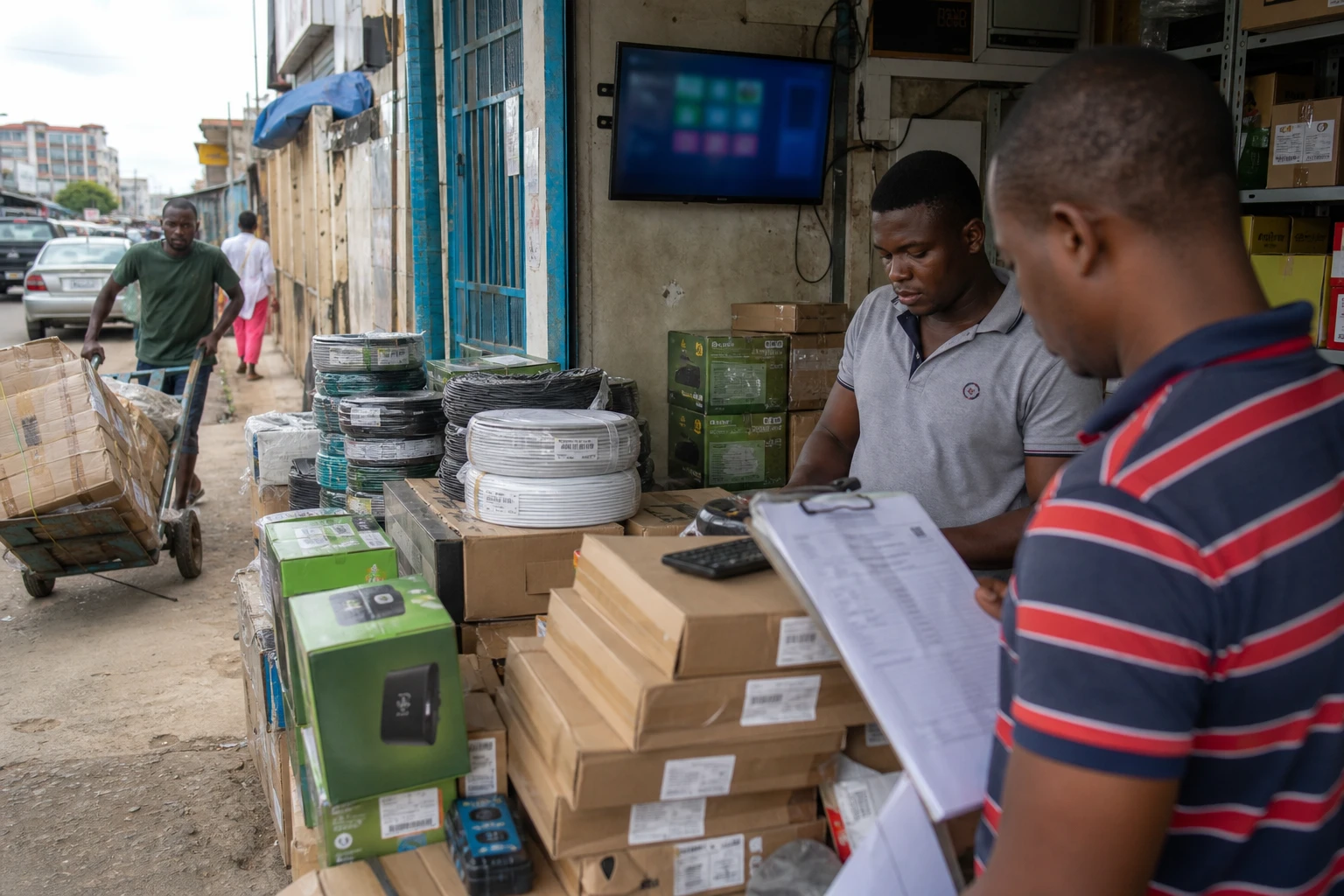
A much-anticipated tournament, increasingly difficult to access
In many Francophone African households, the 2026 World Cup began before kick-off. The problem is not the schedule or the standard of play. It comes down to a very practical question: where to watch the matches, at what price and on which device. When a competition brings together 104 matches over nearly 40 days, access becomes a public-service issue as much as a commercial one.
The context matters. In Francophone sub-Saharan Africa, major football events have long been associated with pay television, and Canal+ has built a substantial presence in this market. At the end of 2023, the group reported 8.1 million subscribers in Francophone Africa, according to its reference document. At the same time, the operator strengthened its position in Anglophone and Lusophone Africa with MultiChoice, a deal completed in 2025, further extending its continental footprint.
What the rights say, and why the signal cuts out
The allocation of the 2026 World Cup rights is clear. FIFA renewed its agreement with New World TV for the Francophone territories of sub-Saharan Africa. In these 19 countries, all matches are available exclusively on a pay-TV basis through the pan-African broadcaster. At the same time, 34 matches will be sublicensed for free-to-air broadcast in 43 sub-Saharan territories. The list of 19 countries includes Benin, Cameroon, Côte d’Ivoire, Senegal, Mali, Niger, the DRC and Togo.
This division explains some of subscribers’ frustration. When a channel included in an African package does not hold the territorial rights, it cannot show a programme bought for another region. Industry professionals know this mechanism as a territorial blackout. In other words, the same channel may be available in France but switched off in Africa during a match, because the rights were negotiated country by country.
M6 illustrates this logic. FIFA awarded the M6 group the free-to-air broadcast rights for the 2026 World Cup in France, Monaco, Andorra and the French overseas territories. In Francophone sub-Saharan Africa, the pay-TV window belongs to New World TV, not M6. Viewers’ anger therefore stems less from a technical quirk than from layers of geographical rights that have become invisible to the public.
| Region | Pay-TV broadcaster | Free-to-air broadcast |
|---|---|---|
| Francophone sub-Saharan Africa | New World TV, all matches | 34 matches sublicensed in 43 territories |
| Anglophone and Lusophone Africa | SuperSport / DStv via Canal+ | Varies by local market |
| France | beIN Sports | M6 and M6+, 54 matches |
New World TV’s pan-African promise meets on-the-ground constraints
FIFA has presented New World TV as a partner capable of widening access and providing commentary in several languages, including French, Ewe, Lingala, Wolof, Bambara, Hausa and Swahili. The ambition is clear: to bring global football to viewers through a pan-African schedule, with subscriptions considered more affordable and television partners close to their audiences. Orange said in its 2024 annual report that it had strengthened its distribution partnerships with New World TV, notably through Max it TV, and its Senegal support page states that all World Cup matches are available there live and on demand with New World.
But the commercial promise is not enough if the distribution infrastructure remains fragile. African sports media reported, on the eve of the tournament, delayed payments, the closure of the Paris studio and labour tensions within the group. These reports should be treated with caution, as they are press reports rather than an official statement. They nevertheless point to a central issue: holding the rights does not mean having the infrastructure, teams and distribution partners in place to reach the public straight away.
The question of decoders and apps highlights the same limitation. In several markets, New World TV relies on digital distribution deals, including a partnership with Orange, mentioned as bringing its sports channels to Max it TV in several countries. This is useful for connected subscribers. It matters less in areas where devices, mobile coverage, data costs or television-viewing habits make access more uneven. The match is there, but the viewer’s experience still depends on the network, the device and their budget.
What the episode reveals about Francophone Africa
At its heart, this episode says something broader about the African sports media market. On one hand, rights are increasingly fragmented and negotiated territory by territory, with language-based blocs that do not always match viewers’ habits. On the other, African groups are seeking to take back control of distribution, rather than leave all the added value to foreign operators. New World TV is part of this trend, with a base in Lomé and a strategy targeting the 19 Francophone territories identified by FIFA.
For the public, the issue is simple: being able to watch a match without scrambling for an alternative signal at the last minute. For broadcasters, the challenge is industrial: bringing together the rights, producing programmes, financing studios, paying teams and distributing content widely. For governments and public channels that sublicense matches, there is also a political dimension, because these free games are often the only point of entry for some households. Across the continent, the 2026 World Cup will therefore serve as a test. It will show whether Francophone Africa can turn a prestigious right into real access, or whether the value chain will remain stuck between pay-TV exclusivity and unequal access.
The next step to watch is operational, not symbolic. It will be important to see whether free sublicences actually reach the main national channels, whether digital partnerships last, and whether distribution on Max it TV or other platforms finally closes the gap between rights held and rights viewers can access. Otherwise, for part of Francophone Africa, the 2026 World Cup will remain a major event watched from a distance.