Algeria
 Egypt
 Libya
 Morocco
 Sudan
 Tunisia
 Benin
 Burkina Faso
 Cabo Verde
 Côte d'Ivoire
 Ghana
 Guinea
 Guinea-Bissau
 Liberia
 Mali
 Mauritania
 Niger
 Nigeria
 Senegal
 Sierra Leone
 The Gambia
 Togo
 Cameroon
 Central African Republic
 Chad
 DR Congo
 Equatorial Guinea
 Gabon
 Republic of the Congo
 São Tomé and Príncipe
 Burundi
 Comoros
 Djibouti
 Eritrea
 Ethiopia
 Kenya
 Madagascar
 Malawi
 Mauritius
 Mozambique
 Rwanda
 Seychelles
 Somalia
 South Sudan
 Tanzania
 Uganda
 Angola
 Botswana
 Eswatini
 Lesotho
 Namibia
 South Africa
 Zambia
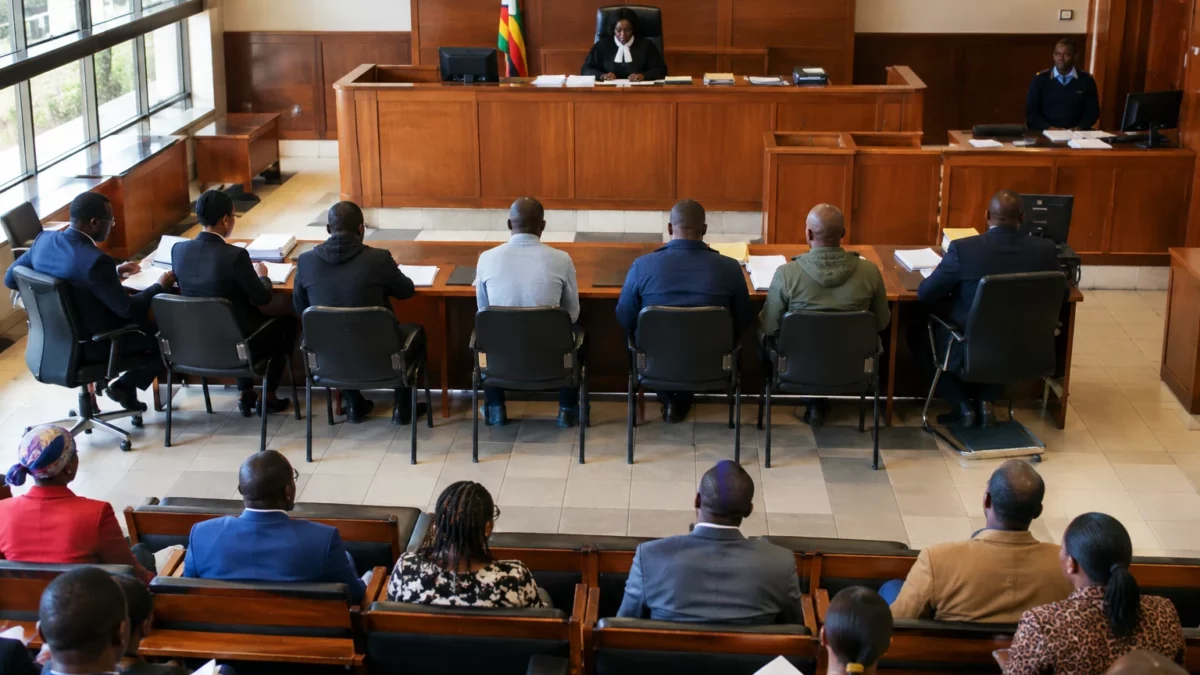
An arrest warrant does not decide a case. In Zimbabwe, however, it marks a concrete step: Bellarmine Chatunga Mugabe, the youngest son of former president Robert Mugabe, must now answer to the law after missing a hearing in Harare.
One missed hearing, four co-accused present
Magistrate Isheanesu Matova issued the warrant on 24 November 2026, after Bellarmine Mugabe failed to attend a court hearing. His four co-accused appeared in court. Their case was adjourned until 10 December, according to reports by independent Zimbabwean media.
The case concerns allegations of theft with aggravating circumstances and wilful damage to property. These charges do not amount to a finding of guilt: they must be examined by the court, and the accused will be able to present their defence.
The alleged events date back to 3 November, at the Brompton Guest Lodge in Harare. According to information reported at the hearing and attributed to the prosecution, the five men allegedly confronted Lloyd Panyika Mapanduki, a 42-year-old security guard, and then beat him with their bare hands and broom handles. He was reportedly injured on the forehead and taken to hospital.
The prosecution also alleges that one of the men took the guard’s service weapon. The group is also accused of stealing his Samsung A56 phone and breaking it. Zimbabwean media report that the weapon was allegedly found in the possession of Terence Johannes Chinyemba, one of the co-accused. These details remain allegations before the court.
A domestic case with regional attention
The case is being heard in Harare, Zimbabwe’s capital, and falls first and foremost under the country’s courts. It comes after several legal cases involving Bellarmine Mugabe, but each proceeding is separate. Their accumulation does not allow the outcome of this new case to be presumed.
In April 2026, a South African court fined him a total of 600,000 rand and ordered his deportation to Zimbabwe, following a plea agreement relating to brandishing an object that could be mistaken for a weapon and an immigration offence. That proceeding was separate from a case involving shots fired at a Johannesburg residence, for which he had initially been charged alongside another man. These cases and their charges should therefore not be confused.
The legal proceedings between South Africa and Zimbabwe also underscore the importance of cooperation between neighbouring states. Deportation does not amount to a conviction in a subsequent case, just as a warrant issued in Harare does not decide the merits of the case. Zimbabwean authorities must now ensure the accused appears and follow the ordinary stages of the proceedings.
The Mugabe name does not replace evidence
Robert Mugabe’s family remains well known in the country because the former president led Zimbabwe for 37 years, until his resignation in 2017. He died in 2019. This history explains the public attention given to his son, but it is not evidence in the current case.
For Zimbabweans, the immediate issue is less the accused’s family status than the way the justice system handles the alleged events. The alleged victim must be able to give evidence and obtain compensation if responsibility is established. Those facing charges, for their part, have the right to challenge the allegations and receive a fair trial.
The warrant means that Bellarmine Mugabe did not appear on the scheduled date and that the court is seeking to secure his presence. The information available does not specify the reasons for his absence or the timetable for executing the warrant. It would therefore be premature to infer that he has fled, that he is guilty or that a decision has been made on his bail.
What the next hearing must clarify
What happens next will depend in particular on whether Bellarmine Mugabe appears and on the court’s decisions regarding the conditions of each person’s release. His four co-accused are due to appear on 10 December. Upcoming hearings must also clarify the evidence put forward by the prosecution and the defence’s response.
At regional level, the case is a reminder that criminal proceedings can cross borders, particularly between Zimbabwe and South Africa. It does not, however, signal any change in regional policy. The Southern African Development Community (SADC), an organisation promoting cooperation among states in the region, is not central to the case: it falls under national jurisdictions.
The point to watch is therefore clear: the accused’s appearance in court and the adversarial examination of the allegations. Until the court has ruled, the arrest warrant marks a procedural step, not the verdict in a case that remains to be established.