Algeria
 Egypt
 Libya
 Morocco
 Sudan
 Tunisia
 Benin
 Burkina Faso
 Cabo Verde
 Côte d'Ivoire
 Ghana
 Guinea
 Guinea-Bissau
 Liberia
 Mali
 Mauritania
 Niger
 Nigeria
 Senegal
 Sierra Leone
 The Gambia
 Togo
 Cameroon
 Central African Republic
 Chad
 DR Congo
 Equatorial Guinea
 Gabon
 Republic of the Congo
 São Tomé and Príncipe
 Burundi
 Comoros
 Djibouti
 Eritrea
 Ethiopia
 Kenya
 Madagascar
 Malawi
 Mauritius
 Mozambique
 Rwanda
 Seychelles
 Somalia
 South Sudan
 Tanzania
 Uganda
 Angola
 Botswana
 Eswatini
 Lesotho
 Namibia
 South Africa
 Zimbabwe
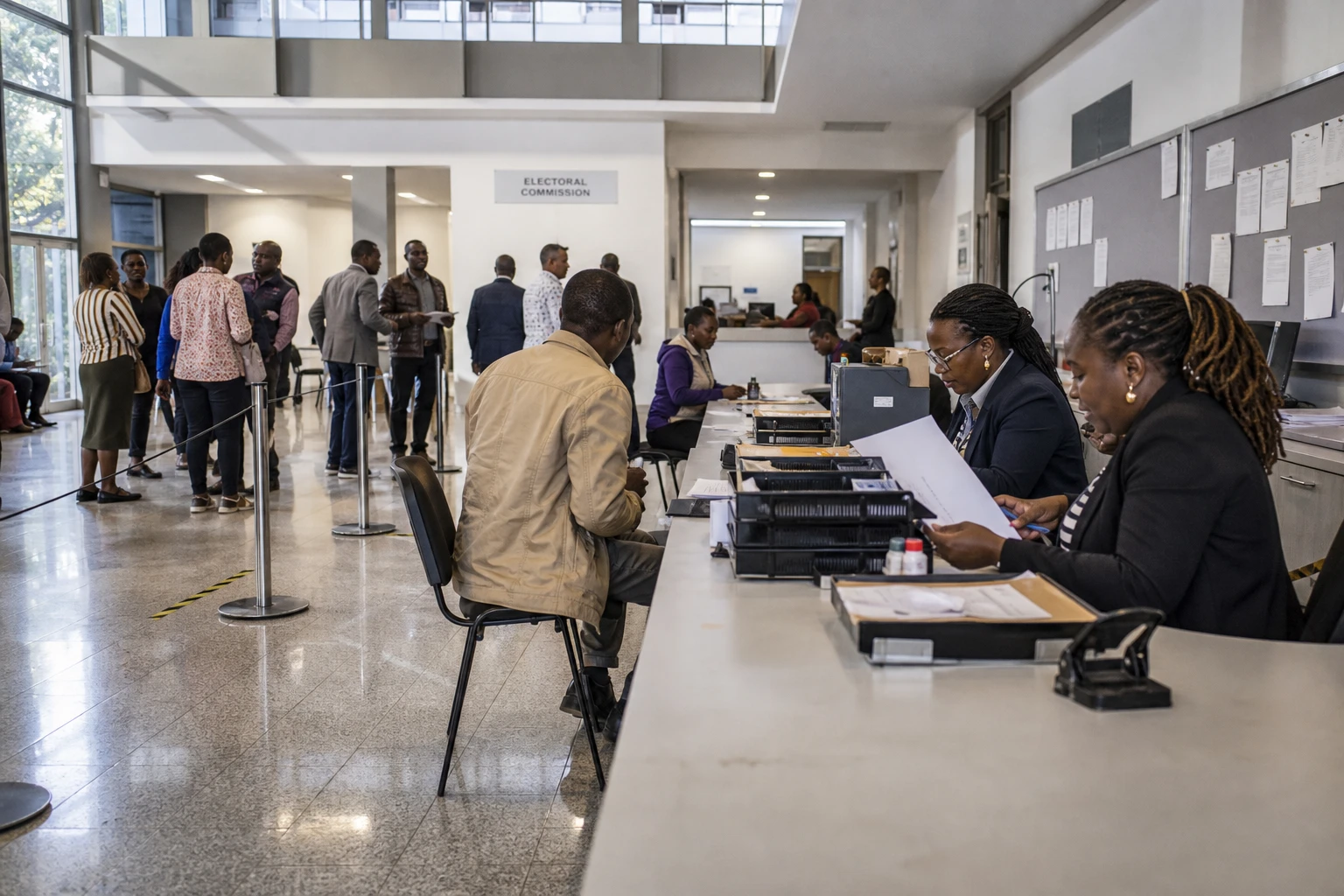
In Lusaka, a vote that goes beyond a simple change of power
In Zambia, elections are never just a contest between parties. They also measure a country’s confidence in its ability to emerge from a crisis, create jobs and turn mineral wealth into visible gains for households. The stakes in this election are clear: extend a period of reforms launched in Lusaka, or reopen the promise of change that has yet to translate into everyday life.
The vote comes in a country that restored multi-party politics in 1991 and belongs to the political space of the Southern African Development Community, SADC, of which it is a founding member. This matters because Zambia’s institutional stability carries weight across the region, from trade to political balances. Across the continent, Zambia’s experience is being closely watched as a test of democratic transition in southern Africa.
The country also has a defining feature that shapes every election debate: its economy depends heavily on copper. When prices rise, the state can breathe easier. When they fall, fiscal room quickly narrows. Zambia’s problem is therefore not only political. It is also structural, linked to concentrated revenues, debt and the difficulty of turning mining income into lasting jobs.
Hakainde Hichilema’s record faces continued high expectations
In power since 2021, Hakainde Hichilema and his United Party for National Development, the UPND, are seeking to make the case for a record centred on fiscal discipline, a revival of investment and restoring order to public finances. Their arrival ended Edgar Lungu’s presidency after an election marked by high turnout and a decisive opposition victory. In its final report, the African Union recorded a turnout of 70.61%, out of 7,023,499 registered voters.
The 2021 victory also expressed a sense of exhaustion. The country was emerging from a period of fiscal strains and default. In November 2020, Zambia stopped servicing an external debt payment, becoming the first African country to default during the pandemic. Since then, debt restructuring has remained at the centre of Zambia’s economic policy, with support from the IMF, the World Bank and official creditors.
Yet the recovery is not being felt everywhere in poorer neighbourhoods, or in the towns of the Copperbelt, where expectations are high. Youth unemployment, the cost of living and the slow spread of the benefits of growth remain central criticisms. This is what makes the election difficult to read: some voters assess the outgoing government on its macroeconomic reforms, while others judge it by what they feel at the market checkout, on public transport or outside the school gates.
The macroeconomic context nevertheless offers a real opportunity. The World Bank says Zambia’s growth has been supported in recent years by a recovery in activity, while copper prices have risen sharply since 2020. For a mining state such as Zambia, this means more foreign currency and therefore a little more breathing room for public finances. But this improvement depends on a volatile global market. On its own, it is not enough to resolve the jobs question or the territorial inequalities between the capital, Lusaka, industrial urban centres and rural areas.
What the vote says about Zambia and southern Africa
The political balance therefore remains open. The UPND argues that reforms need time to produce lasting effects. Discontented voters, on the other hand, may feel that promises of recovery have yet to change their lives. In this kind of election, turnout becomes more than a figure: it is a barometer of popular consent. The experience of 2021 showed that a large turnout can punish an incumbent, even in a country that values institutional continuity.
Zambia does not operate in isolation. In southern Africa, its trajectory influences the balance within SADC, where political stability is closely tied to trade, logistics corridors, energy and the movement of capital. When Lusaka changes course, the whole region watches the impact on mining trade, the credibility of electoral institutions and the management of a debt that often serves as a case study for international creditors.
The next signal to watch is therefore less a declaration of intent than a trio of concrete results: turnout, the level of support for the UPND and how voters judge the reforms launched since 2021. If the vote confirms the current course, the government will have a clearer political mandate to pursue debt restructuring and economic adjustments. If it punishes the government, that will signal that macroeconomic promises have not been enough to meet urgent social needs. Either way, the message will reach beyond Lusaka.