Algeria
 Egypt
 Libya
 Morocco
 Sudan
 Tunisia
 Benin
 Burkina Faso
 Cabo Verde
 Côte d'Ivoire
 Ghana
 Guinea
 Guinea-Bissau
 Liberia
 Mali
 Mauritania
 Niger
 Nigeria
 Senegal
 Sierra Leone
 The Gambia
 Togo
 Cameroon
 Central African Republic
 Chad
 DR Congo
 Equatorial Guinea
 Gabon
 Republic of the Congo
 São Tomé and Príncipe
 Burundi
 Comoros
 Djibouti
 Eritrea
 Ethiopia
 Kenya
 Madagascar
 Malawi
 Mauritius
 Mozambique
 Rwanda
 Seychelles
 Somalia
 South Sudan
 Tanzania
 Uganda
 Angola
 Botswana
 Eswatini
 Lesotho
 Namibia
 South Africa
 Zimbabwe
A campaign that has not really come to an end
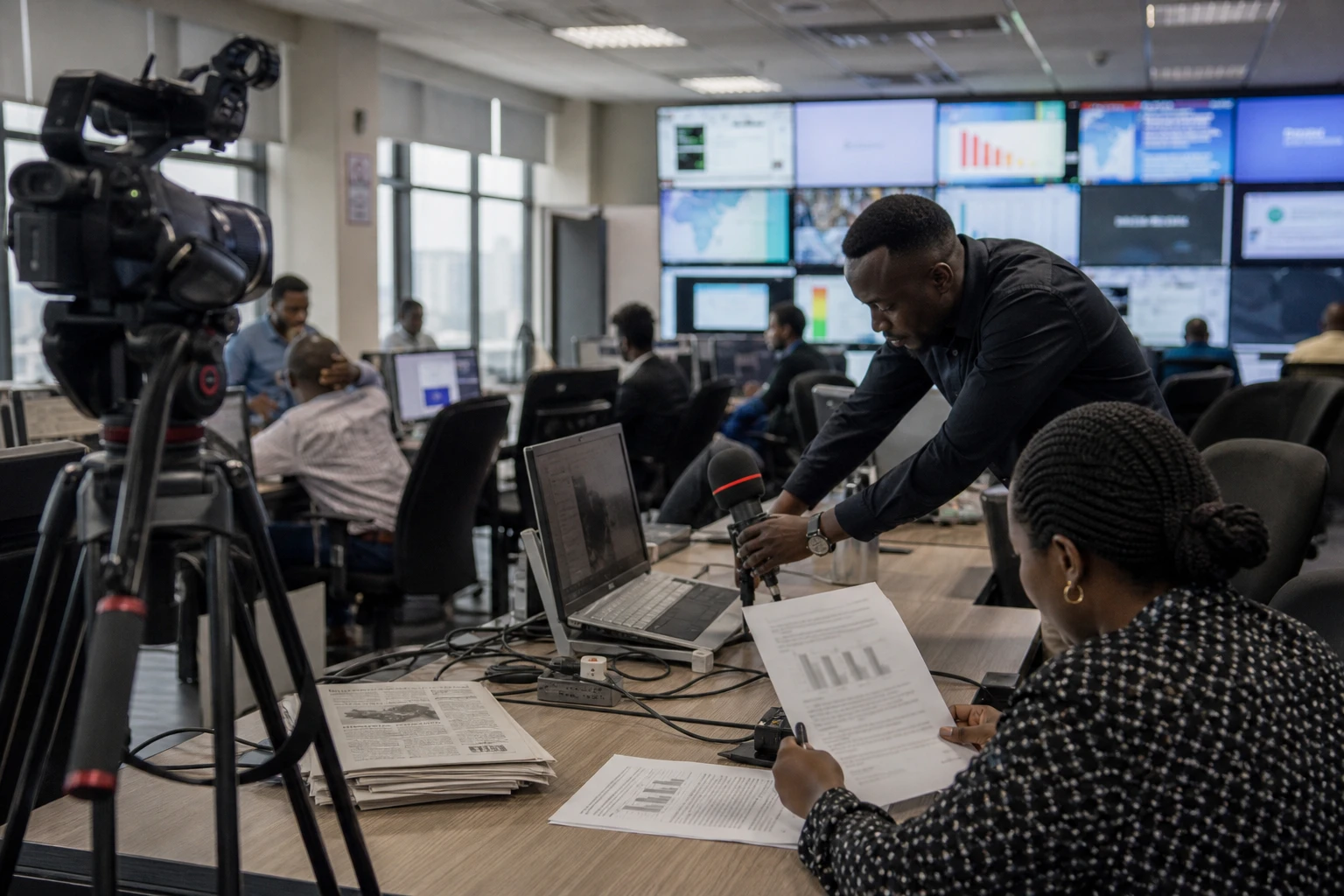
In Zambia, the end of the vote has not calmed the political scene. It has simply shifted the tension to investigative services, the courts and questions of procedure. In a country where the 2021 change of power had raised hopes of a more peaceful public sphere, the post-election period in August 2026 instead shows just how fragile the contest for power remains.
The country is also being closely watched in the region. Zambia belongs to SADC, the Southern African Development Community, and any political tension in Lusaka quickly affects the image of stability that the capital wants to project to its neighbours, investors and regional partners. The Electoral Commission of Zambia, which declared Hakainde Hichilema the winner on 18 August, is therefore at the centre of a climate in which electoral law, internal security and institutional credibility intersect.
What the known facts tell us
Brian Mundubile, Hakainde Hichilema’s main rival in the 13 August 2026 presidential election, was summoned alongside his running mate Makebi Zulu to be questioned by police over activities suspected of threatening national security. So far, the authorities have announced no formal charges against either man. According to information made public, the investigation concerns events described as linked to properties associated with political figures and incidents that took place after the vote.
The situation became explosive after a security operation in Kabulonga, a suburb of Lusaka, the day after the election. The authorities said they had discovered military-style weapons and arrested eleven people. Mutotwe Kafwaya, a former MP and opposition figure, was subsequently reported to have died after being shot during the operation, a point that has prompted strong objections and calls for clarification from the Human Rights Commission. Zambia’s parliament has published the text of the Penal Code, while the government’s official website notes that the Constitution remains the reference point for individual freedoms.
The official presidential election results give Hakainde Hichilema 2,965,326 votes, or 60.49%, and Brian Mundubile 1,856,217, or 37.87%. These figures were confirmed by the Electoral Commission and reported by the presidency. The margin is clear. But the dispute is not solely about the score. It also concerns the conduct of the vote, interruptions to the counting and the treatment of several opposition members during and after the election.
The law, national security and the red line
The legal debate is simple in appearance, but weighty in practice. Zambia’s Constitution provides that anyone arrested or detained must be informed, in a language they understand, of the reasons for their arrest. They must also be brought before a court without undue delay. The Penal Code, meanwhile, provides for life imprisonment for certain forms of treason, including attempting to overthrow the government by unlawful means or to usurp executive power by force.
But precision is essential. Nothing in the publicly available information indicates that Brian Mundubile is being prosecuted for treason. The police have spoken of an investigation on national security grounds, not charges of a coup or insurrection. The distinction matters, because a summons is not a conviction. In law as in politics, the line between a legitimate investigation and pressure on the opposition will depend on the transparency of the procedure, access to lawyers and the authorities’ ability to substantiate their suspicions.
This caution is all the more important because the Human Rights Commission of Zambia has publicly raised the alarm over detentions and reported disappearances after the vote. It has also called for anyone detained to be charged promptly or released if there is no legal basis for their continued detention. At the same time, the Office of the United Nations High Commissioner for Human Rights has voiced concern over the arrests of opposition figures. International pressure does not override Zambia’s sovereignty, but it raises the bar for due process.
What this case means for Zambia and the region
For the government, the challenge is clear: to show that state security can be protected without turning the investigation into a political instrument. For the opposition, the opposite risk is that its leaders will be weakened, dispersed or placed under pressure at a time when access to electoral remedies and spaces for dissent is already limited. For citizens, especially in Lusaka and other major cities where information travels quickly, the signal is decisive: is political competition settled through institutions, or through the force of coercive apparatuses?
The implications also extend beyond Zambia. Across southern Africa, several capitals are watching these episodes closely because they say something about the relationship between changes of power, security and justice after a tense election. SADC, which has often called for peaceful and credible processes, rarely views allegations of political persecution with equanimity when they involve opposition leaders. In Lusaka, the real question is therefore not only what will happen to Brian Mundubile personally. It is whether the Zambian state can separate a criminal investigation from political score-settling, in a context where trust has already begun to fray.
The next point to watch will be what follows the summons, and then any court decisions if charges are eventually brought. The responses of national institutions, the Human Rights Commission and regional partners will quickly show whether the case remains within the bounds of ordinary law or becomes a broader marker of Zambia’s democratic trajectory.