Algeria
 Egypt
 Libya
 Morocco
 Sudan
 Tunisia
 Benin
 Burkina Faso
 Cabo Verde
 Côte d'Ivoire
 Ghana
 Guinea
 Guinea-Bissau
 Liberia
 Mali
 Mauritania
 Niger
 Nigeria
 Senegal
 Sierra Leone
 The Gambia
 Togo
 Cameroon
 Central African Republic
 Chad
 DR Congo
 Equatorial Guinea
 Gabon
 Republic of the Congo
 São Tomé and Príncipe
 Burundi
 Comoros
 Djibouti
 Eritrea
 Ethiopia
 Kenya
 Madagascar
 Malawi
 Mauritius
 Mozambique
 Rwanda
 Seychelles
 Somalia
 South Sudan
 Tanzania
 Uganda
 Angola
 Botswana
 Eswatini
 Lesotho
 Namibia
 South Africa
 Zimbabwe
A day of voting under scrutiny, in a Zambia focused on the economy
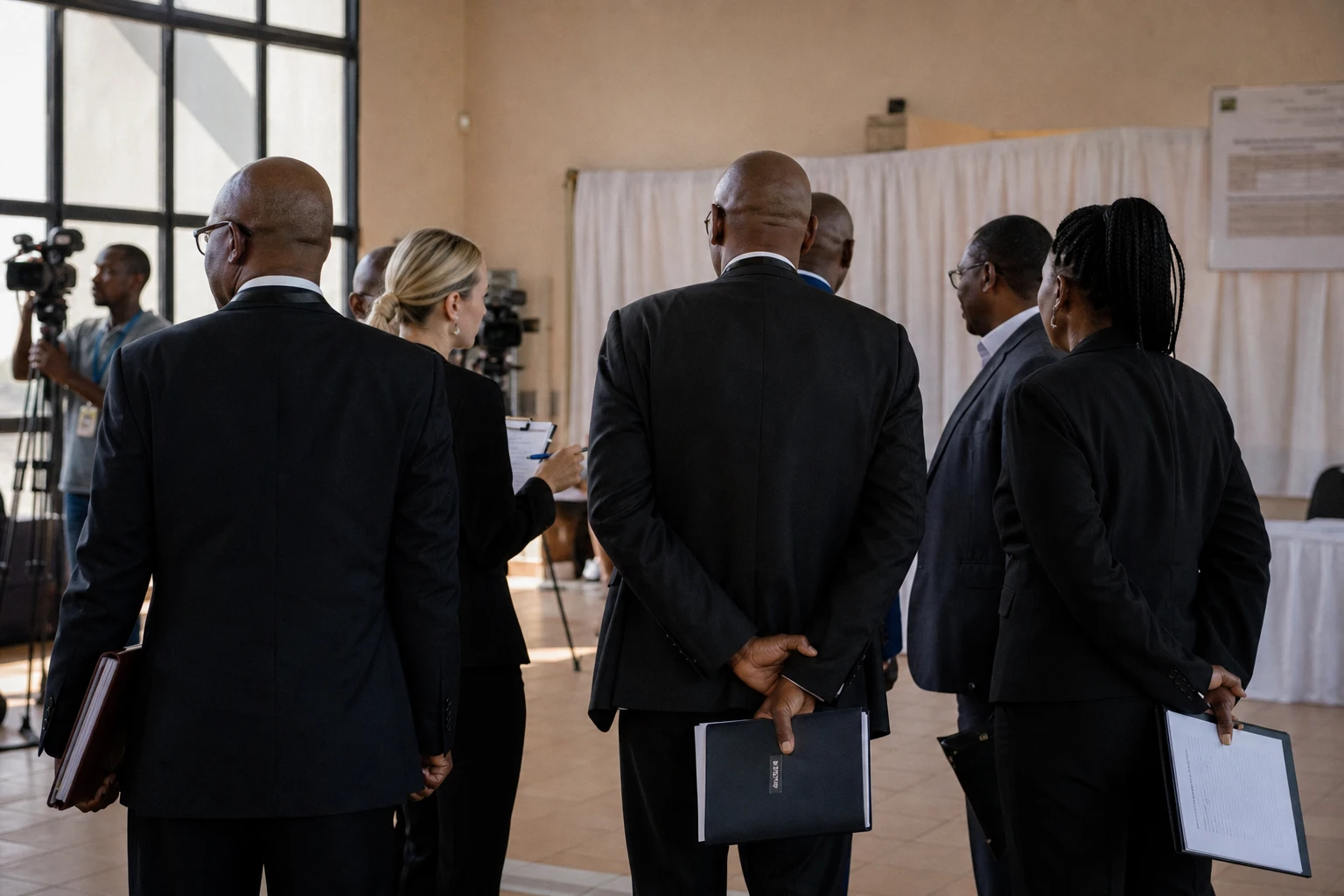
In Lusaka, queues began forming even before polling stations opened. That detail says a lot about the day. In a country where voting remains one of the few moments of direct reckoning between the government, the cost of living and promises of reform, participation is measured not only in figures. It is also reflected in voters’ patience and in the way the state organises the poll.
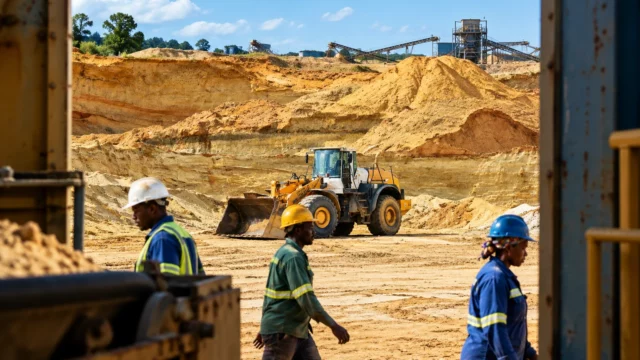
Zambia, in southern Africa, went into this election with one central question: whether the economic reforms launched since 2021 have begun to produce visible benefits for households. The country remains one of the continent’s major copper producers, but it is also emerging from a debt crisis and continues to face cost-of-living pressures. The International Monetary Fund projects growth of 4.3% in 2026, while the authorities and the IMF say discussions on a new programme are due to resume after the vote.
A national poll, local expectations
The 13 August 2026 vote was about more than a straightforward presidential contest. It was also to renew the National Assembly and local authorities. The Electoral Commission of Zambia certified 8,786,300 registered voters and said polling stations were due to open at 6am and close at 6pm. The Commission’s official website also states that results are expected after the tallying and transmission of polling-station returns.
The electorate is young. Nearly half of registered voters are aged between 18 and 35, giving this election significance beyond the fate of the incumbent alone. In an economy where prices, jobs and access to public services weigh heavily, this age group often has to choose between continuity, impatience and distrust. The vote is therefore a test of the legitimacy of the economic course, as well as the institutions’ ability to manage a close contest without incident.
In Lusaka, observers reported delays, difficulties finding the right polling stations and problems managing queues at some locations. Local voices also raised concerns about electoral registers that were incomplete or difficult to consult. So far, these incidents have not led to major violence. The capital remained broadly calm, with an increased police presence around polling stations.
Hichilema banks on his record, opposition on the cost of living
President Hakainde Hichilema, elected in 2021, voted in Lusaka in the middle of the day. A candidate for a second term among 14 contenders, he defended the course pursued since taking office: debt restructuring, macroeconomic stabilisation and a gradual restoration of investor confidence. The AP reported that he presented the election as a choice between continuing reforms and going backwards.
His main rival, Brian Mundubile, also voted in the capital. Put forward by the opposition as its strongest contender, he sought to channel discontent over the high cost of living and the slow pace of social gains. The campaign was marked by tensions over candidacies, competition between parties and the usual suspicions surrounding major Zambian elections. Several opposition parties remained divided, strengthening the incumbent president’s position as favourite.
The economic question, however, carries more weight than the simple balance of power between parties. The IMF says inflation returned to the Bank of Zambia’s target range at the end of April 2026 and international reserves were rebuilt, but the institution also notes persistent pressures on growth, linked in particular to mining output, energy and the normalisation of agriculture after a very good harvest in 2025. In other words, the indicators are improving, but relief is not reaching everyone at the same pace.
What the vote says about Zambia, and beyond
Zambia is voting within a regional institutional framework shaped by southern Africa and constant attention to electoral standards. Across the region, the quality of poll organisation, the counting process and the communication of results remain more decisive tests of credibility than election day alone. Here, what happens next will depend on the swift transmission of results, the transparency of local commissions and the parties’ ability to accept the verdict of the ballot box.
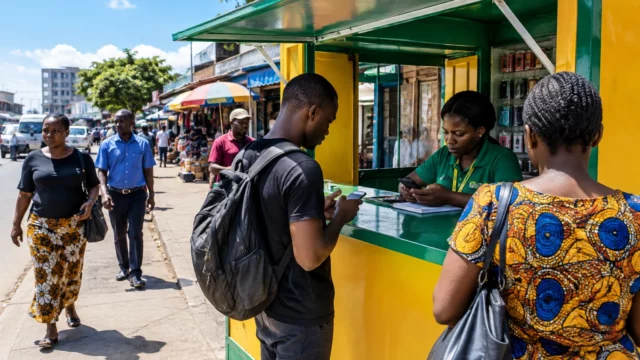
For the population, the immediate stakes are tangible. Households are looking for answers on prices, jobs, transport, electricity and public services. For the government, the challenge is different: turning a macroeconomic recovery into lasting political gains. For the opposition, it is a matter of converting social frustration into a credible alliance. These three dynamics meet at polling stations, but they create different expectations and operate on different timelines.
At continental level, the Zambian vote is a reminder of a familiar reality in southern Africa and elsewhere on the continent: a government can point to macroeconomic progress while still being weakened by social hardship. This is also what makes Lusaka’s trajectory important to the African Union, SADC and markets that view copper, debt and political stability as parts of the same picture. The next turning point is clear: the announcement of results, expected by the Electoral Commission in the days after the vote.