Algeria
 Egypt
 Libya
 Morocco
 Sudan
 Tunisia
 Burkina Faso
 Cabo Verde
 Côte d'Ivoire
 Ghana
 Guinea
 Guinea-Bissau
 Liberia
 Mali
 Mauritania
 Niger
 Nigeria
 Senegal
 Sierra Leone
 The Gambia
 Togo
 Cameroon
 Central African Republic
 Chad
 DR Congo
 Equatorial Guinea
 Gabon
 Republic of the Congo
 São Tomé and Príncipe
 Burundi
 Comoros
 Djibouti
 Eritrea
 Ethiopia
 Kenya
 Madagascar
 Malawi
 Mauritius
 Mozambique
 Rwanda
 Seychelles
 Somalia
 South Sudan
 Tanzania
 Uganda
 Angola
 Botswana
 Eswatini
 Lesotho
 Namibia
 South Africa
 Zambia
 Zimbabwe
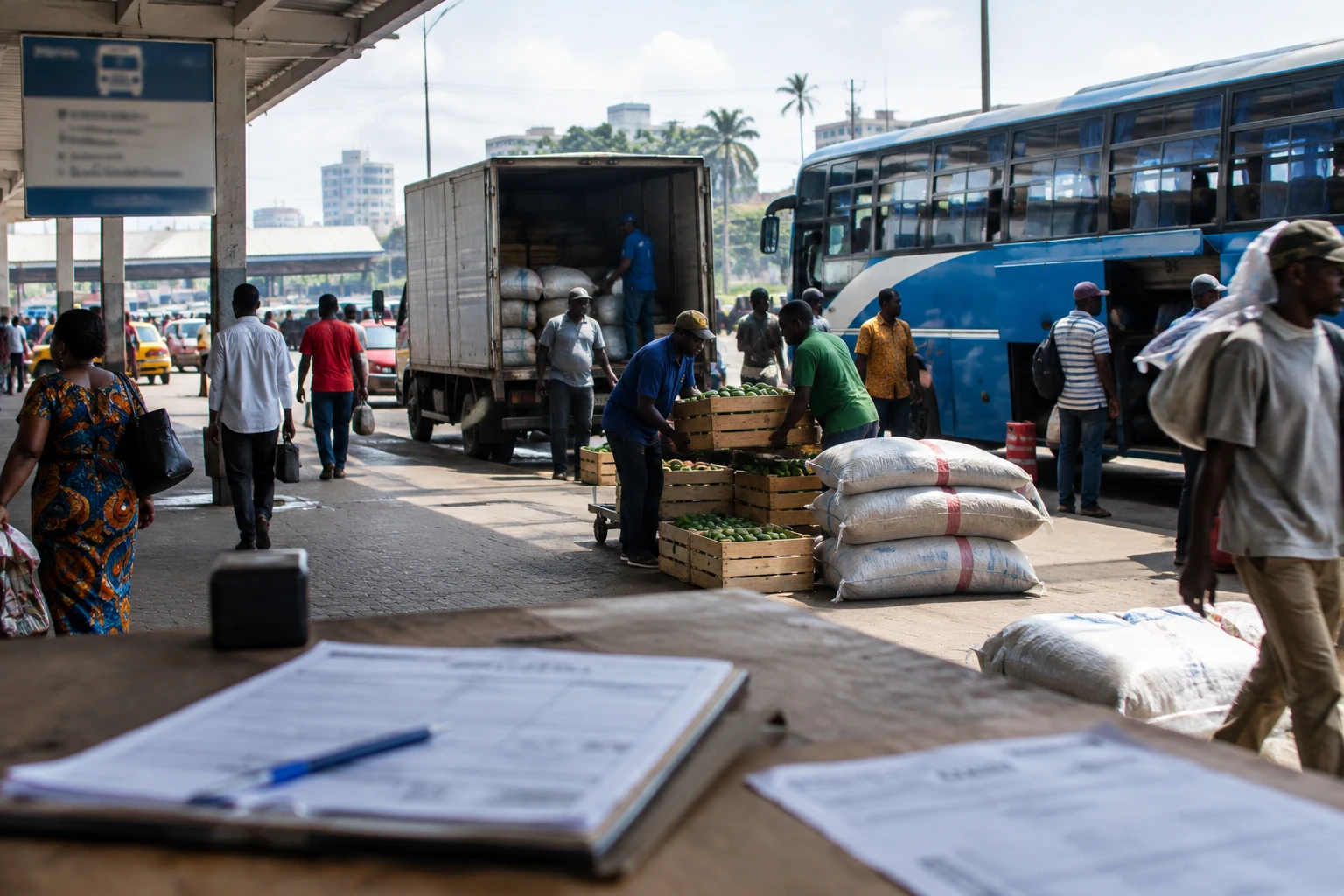
A trade surplus can signal strong sales abroad. On its own, it does not show whether the revenues benefit producers, local businesses or households. In the West African Economic and Monetary Union (WAEMU), the result for the second quarter of 2026 highlights above all the weight of commodities in trade.
A balance growing faster than imports
WAEMU recorded a trade surplus of 1,817.7 billion CFA francs in the second quarter of 2026, compared with 812.3 billion a year earlier. The surplus therefore more than doubled. The figures appear in economic updates published by the Central Bank of West African States (BCEAO), the Union’s shared central bank.
The gap between exports and imports widened because overseas sales rose by 15.6% year on year, while purchases increased by 4.6%. Gold and other precious metals, cotton, cocoa, rubber and petroleum products are among the main exports cited in the available data.
On the import side, the Union bought intermediate goods and equipment, as well as petroleum products. A decline in purchases of food and other everyday consumer goods helped limit the bill. This slowdown may contribute to reducing imports, but without further data it does not allow any conclusion that households have better access to the goods concerned.
Performance tied to different sectors
The regional figure aggregates eight economies with distinct profiles: Benin, Burkina Faso, Côte d’Ivoire, Guinea-Bissau, Mali, Niger, Senegal and Togo. Mining resources, export crops and hydrocarbons do not carry the same weight across them. The benefits of rising external sales therefore vary by country, sector and market participant.
The BCEAO also reported a 5.7% increase in industrial production in the second quarter. Extractive activities contributed, notably oil production in Côte d’Ivoire, Niger and Senegal, gold mining in Burkina Faso, Côte d’Ivoire and Mali, and uranium mining in Niger. Across the Union, real gross domestic product rose by 6% year on year during the quarter, according to the central bank’s statistical bulletin.
Agricultural results were less uniform. Cocoa production in the 2025-2026 season is estimated to have fallen by 2.6% to 1,862,200 tonnes, partly because of unfavourable weather conditions in Côte d’Ivoire, according to the BCEAO. The change is a reminder that export revenues can depend both on production volumes and on sometimes volatile global prices.
In the second quarter, international cocoa prices fell by 53.3% year on year, while cotton and rubber prices rose by 17.7% and 26.4%, respectively. Gold gained 37.6%. These differences show why an overall surplus does not mean that every sector is performing in the same way. They also complicate the interpretation of revenues: an increase in exports may come from volumes, prices, or both.
Regional trade, but persistent dependencies
The Union ran trade surpluses with Europe, the rest of Africa, the Economic Community of West African States (ECOWAS) and the Americas. The surplus with the rest of Africa increased by 14.8% year on year, while the trade deficit with Asia narrowed by 33.6%. These balances describe merchandise trade with large regions, but do not on their own reveal which countries or products account for the changes.
The regional context gives these flows particular importance. ECOWAS brings West African economies together around regional co-operation and integration. Burkina Faso, Mali and Niger, all WAEMU members, left ECOWAS in January 2025. Their trade with countries in the region nevertheless remains important to businesses and commercial networks. Maintaining cross-border flows and predictable customs rules therefore remain practical concerns for operators.
A trade surplus is not the same as a budget surplus, nor does it automatically mean a higher standard of living. It measures the difference between exports and imports of goods. On its own, it says nothing about the distribution of income, jobs created, local processing of commodities or the cost of imported products for households.
The effects are unevenly distributed. Exporting businesses and governments may benefit from increased revenues, depending on volumes, prices and taxes. Agricultural producers remain exposed to weather and prices. Companies reliant on imported equipment or inputs remain sensitive to external costs. In cities and rural areas alike, the impact on consumers also depends on domestic prices and distribution.
Local processing, the next test
For the Union’s authorities and economic actors, the question now is whether export growth will be accompanied by more value creation rooted in national economies. Processing cotton, cocoa, minerals or hydrocarbons locally could expand industrial activity and related employment. But quarterly trade figures are not enough to establish whether this transformation is accelerating.
The BCEAO estimates that WAEMU economic activity remained strong in the second quarter, with real growth of 6%. The next assessment will need to distinguish this broader momentum from the performance of individual countries and the composition of trade. Also worth watching are commodity price movements, upcoming agricultural seasons and the Union economies’ ability to reduce their dependence on imported intermediate goods and equipment.
The quarter’s surplus is therefore a positive signal for merchandise trade, but not a sufficient measure of resilience. Its significance will depend on export diversification, the stability of regional markets and the share of added value retained in producer countries.