Algeria
 Egypt
 Libya
 Morocco
 Sudan
 Benin
 Burkina Faso
 Cabo Verde
 Côte d'Ivoire
 Ghana
 Guinea
 Guinea-Bissau
 Liberia
 Mali
 Mauritania
 Niger
 Nigeria
 Senegal
 Sierra Leone
 The Gambia
 Togo
 Cameroon
 Central African Republic
 Chad
 DR Congo
 Equatorial Guinea
 Gabon
 Republic of the Congo
 São Tomé and Príncipe
 Burundi
 Comoros
 Djibouti
 Eritrea
 Ethiopia
 Kenya
 Madagascar
 Malawi
 Mauritius
 Mozambique
 Rwanda
 Seychelles
 Somalia
 South Sudan
 Tanzania
 Uganda
 Angola
 Botswana
 Eswatini
 Lesotho
 Namibia
 South Africa
 Zambia
 Zimbabwe
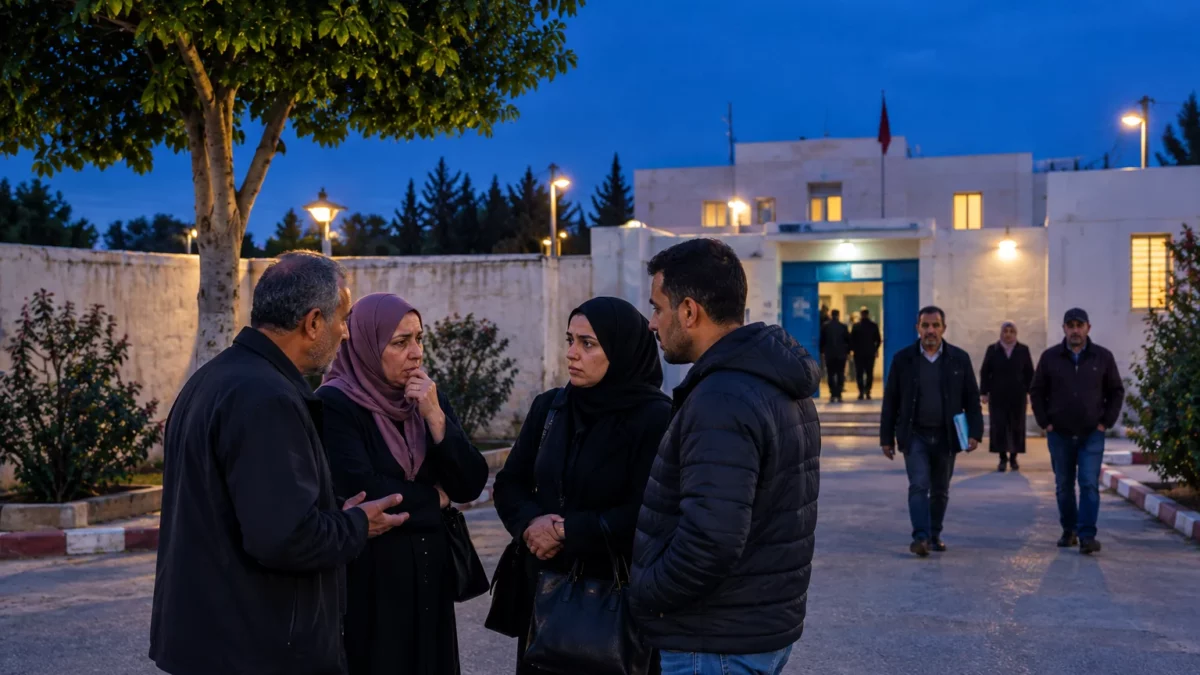
When someone dies in state custody, the questions do not end with the time or place of death. In Tunisia, families are now seeking explanations for deaths that occurred after a summer marked by exceptional heat, water shortages and power cuts.
A rising toll, without a full public inquiry
On 27 November 2026, the Tunisian Human Rights League (LTDH) said it had documented 30 detainee deaths linked to the summer period. In September, it had reported at least 23. The League draws on information gathered from families, lawyers and health professionals; it therefore does not present this figure as an official count by the prison administration. The toll made public by the LTDH on 27 November has not been confirmed by an independent count covering all 30 cases.
A separate investigation by Amnesty International, published on 12 November, verified 12 cases and reported that the LTDH was then citing at least 23 deaths between July and August. The organisation also gathered accounts from relatives describing delays in medical care, breathing difficulties and harsh detention conditions. These findings corroborate the existence of concerning reports, but do not allow the 30 deaths announced later to be verified individually. Amnesty sets out the cases it examined.
Justice Minister Leïla Jaffel acknowledged overcrowding in some facilities, while saying that the detainees concerned suffered from chronic illnesses and died in hospital, not in prison. The distinction between dying in a cell and dying in hospital does not, on its own, settle the question of care before hospitalisation. The medical circumstances and any potential responsibilities remain to be established through investigations.
Overcrowding and medical care at the heart of the debate
Human rights organisations describe sustained pressure on prison facilities. According to Amnesty, the national occupancy rate stood at about 194% in 2025, with higher levels in several prisons. Another estimate presented by the LTDH in November puts the number of detainees at 36,000, up from 20,000 in 2021. These figures come from different organisations and do not measure exactly the same thing; they nevertheless illustrate the scale of the prison issue.
The heat worsened material difficulties that had already been reported: poorly ventilated cells, interruptions to running water, limited access to drinking water and uneven availability of medical care. Outside prisons, shortages and power cuts also affected Tunisian households and businesses. But a detainee cannot choose another place to shelter from the heat, or freely obtain water or medicines. This dependence makes access to care and basic necessities particularly critical.
The government says sick detainees are referred to hospitals when necessary. The LTDH, for its part, wants the cause of every death to be examined and relatives to have access to medical and forensic information. Neither position can replace the evidence missing from the public debate: medical records, autopsy reports, dates of treatment and the results of independent investigations.
Families demand documents and answers
In Tunis, Nejia Jehider has asked to see the forensic report on her brother, who died on 31 August while in detention in Sfax. “I want to know the cause of my brother’s death. I want to see the forensic report,” she said at the LTDH press conference. Her request points to a concrete issue: without access to documents, families cannot understand the circumstances of a death or challenge an official account.
The League is calling on the authorities to clarify the cases it has recorded. It also highlights the limits of its own work: according to information presented on 27 November, it gathers accounts from relatives and lawyers and says it has been unable to visit prisons since November 2025. It says it does not replace forensic doctors or the courts in determining causes and responsibilities. This distinction is essential: a reported death must be verified, and responsibility cannot be considered established before an investigation.
An institutional issue beyond prisons
Tunisia has undergone political change since 2021, marked by the concentration of power around President Kaïs Saïed and continuing tensions between the authorities, the opposition and civil society organisations. In this context, the ability of independent actors to access places of detention and document living conditions has become an issue of institutional transparency, extending beyond the debate over summer temperatures alone.
At regional level, Tunisia is part of the Arab Maghreb Union (AMU), whose five members are Tunisia, Algeria, Morocco, Libya and Mauritania. The regional organisation does not resolve national investigations, but the issue points to broader principles for protecting people deprived of their liberty and scrutinising public institutions. It also concerns the African Union, whose human rights commitments provide a continental frame of reference.
The next step is first and foremost a Tunisian one: make medical evidence accessible to families, establish the causes of the deaths and publish verifiable findings. The LTDH has warned that extreme heat could return in summer 2027. The authorities’ response before then — on medical care, water, ventilation, prison capacity and independent oversight — will show whether the warnings lead to concrete change.