Algeria
 Egypt
 Libya
 Morocco
 Sudan
 Tunisia
 Benin
 Burkina Faso
 Cabo Verde
 Côte d'Ivoire
 Ghana
 Guinea
 Guinea-Bissau
 Liberia
 Mali
 Mauritania
 Niger
 Nigeria
 Senegal
 Sierra Leone
 The Gambia
 Cameroon
 Central African Republic
 Chad
 DR Congo
 Equatorial Guinea
 Gabon
 Republic of the Congo
 São Tomé and Príncipe
 Burundi
 Comoros
 Djibouti
 Eritrea
 Ethiopia
 Kenya
 Madagascar
 Malawi
 Mauritius
 Mozambique
 Rwanda
 Seychelles
 Somalia
 South Sudan
 Tanzania
 Uganda
 Angola
 Botswana
 Eswatini
 Lesotho
 Namibia
 South Africa
 Zambia
 Zimbabwe
When a project moves forward on paper but is slow to change daily life
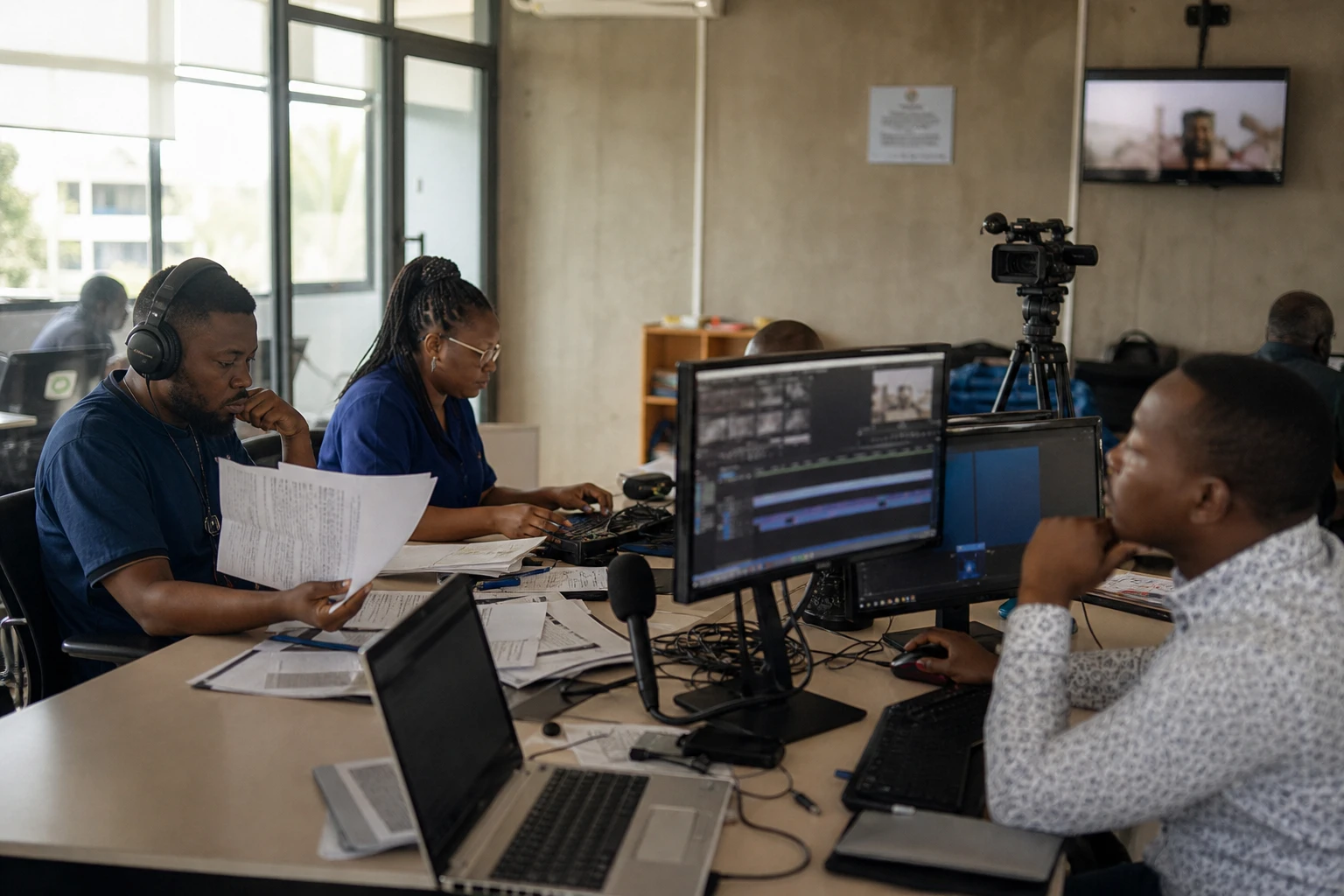
In Lomé, the debate is no longer just about how much money has been committed. The real question is now simpler, and more demanding: what has actually changed for the Togolese people? Is a road usable? Has a school opened? Is a health centre operating? The Togolese government wants to shift the focus of oversight for World Bank-funded projects, placing tangible impact on a par with disbursement rates.
This refocusing comes as the partnership between Togo and the World Bank Group has grown. In February 2025, the institution’s portfolio in Togo comprised seven national projects, nine regional projects and one priority reform operation, with total commitments of $1.5 billion. In June 2026, the Bank also confirmed $200 million in funding for transport and logistics, as well as another $160 million, with The Gambia, to expand access to reliable electricity and regional energy integration.
In a country where the capital, Lomé, accounts for a large share of infrastructure, administrative services and logistics networks, project oversight remains as much a political issue as a technical one. The government’s 2026–2031 roadmap puts public-sector delivery and the quality of results at the heart of state action. This explains the tone of the review held on Tuesday 28 July 2026: it was less a simple accounting exercise than a methodological call to order.
Measurable results, not just funds mobilised
The meeting was chaired in Lomé by Sandra Johnson, Minister and Secretary-General of the Presidency of the Council, as part of the implementation of the 2026–2031 roadmap. The exercise involved comparing implementation and disbursement levels with results visible on the ground. The idea is clear: a project does not succeed because it has spent its budget. It succeeds when it delivers useful, lasting infrastructure, a service or a public amenity.
This change in approach responds to a frequent criticism of development projects in West Africa: procurement delays, administrative holdups and fragmented oversight can weaken the impact of funding. The World Bank itself makes this point in its country framework documents for Togo: the country is seeking to accelerate growth, strengthen human capital and promote more resilient spatial planning. In this context, a project’s performance must be assessed through its tangible effects on education, health, social protection, agriculture, energy and roads.
Togolese officials have called for stronger monitoring, control and audit mechanisms. They also want quarterly evaluations of coordination teams and faster procurement procedures. Another important signal: under this approach, greater use of domestic companies is expected to shorten delivery times and make construction sites more responsive. For Togolese small and medium-sized enterprises, often on the front line of local contracts, this could open up more opportunities, provided transparency rules keep pace.
The World Bank is now involved in sectors with a direct bearing on everyday life in Togo. It funds operations related to transport infrastructure, electricity, digital transformation, agriculture and climate resilience. In June 2026, for example, the institution announced a $200 million programme to improve urban mobility in Lomé, modernise a railway line and better connect agricultural areas to markets. A few days later, it also approved $160 million to expand access to electricity in Togo and The Gambia.
What this shift says about Togo and the region
For the Togolese government, this review signals an effort to align its partnership with the World Bank more closely with national priorities. It also reflects a new budgetary caution: with public resources limited, every CFA franc mobilised must produce a visible effect. This logic is particularly strong for infrastructure projects, where the gaps between announcement, launch and final delivery can fuel public distrust.
For households, the stakes are simple. A completed road cuts transport costs. A delivered school reduces travel distances and dropouts. An operational health centre avoids costly journeys. A social protection scheme that works in practice better protects vulnerable households. The portfolio review therefore does more than change a management approach. It aims to bring often abstract funding closer to tangible effects on purchasing power, mobility and access to services.
At the regional level, the Togo file extends beyond the national framework. Togo occupies a strategic position on West African trade corridors, between the autonomous port of Lomé, the Sahelian hinterland and coastal markets. The transport and energy projects funded by the World Bank are therefore also part of a regional integration agenda, at a time when ECOWAS (Economic Community of West African States) remains a closely watched space for movement, trade and coordination. The success of these projects matters as much to Togo as to its neighbours.
The continental significance is similar: as several African states seek to make better use of external funding, Togo is testing a more demanding approach. It prioritises the measurement of results, accountability and quality of implementation. If this approach is sustained, it could strengthen the country’s credibility with donors and, more broadly, contribute to an African debate on how public projects should be evaluated: not just by disbursements, but by the transformations people actually experience.