Algeria
 Egypt
 Libya
 Morocco
 Sudan
 Tunisia
 Benin
 Burkina Faso
 Cabo Verde
 Côte d'Ivoire
 Ghana
 Guinea
 Guinea-Bissau
 Liberia
 Mali
 Mauritania
 Niger
 Nigeria
 Senegal
 Sierra Leone
 The Gambia
 Cameroon
 Central African Republic
 Chad
 DR Congo
 Equatorial Guinea
 Gabon
 Republic of the Congo
 São Tomé and Príncipe
 Burundi
 Comoros
 Djibouti
 Eritrea
 Ethiopia
 Kenya
 Madagascar
 Malawi
 Mauritius
 Mozambique
 Rwanda
 Seychelles
 Somalia
 South Sudan
 Tanzania
 Uganda
 Angola
 Botswana
 Eswatini
 Lesotho
 Namibia
 South Africa
 Zambia
 Zimbabwe
On the sands of Lomé, sambo is no longer limited to demonstrations for curious onlookers. In just a few years, the discipline has featured at public events and continental competitions, and become part of initiatives seeking to attract young people to sport.
From the coast to African competitions
The Togolese Sambo Federation (FETOS) organised its first sambo beach demonstrations on the Lomé coastline in June 2024. A session held on 23 June near the Palm Beach Hotel brought together around 15 athletes. Two more events followed, in July and then August. The aim was simple: to raise the profile of a sport that remains little known and give the public a chance to learn its rules.
Sambo is a martial art developed in the Soviet Union in the 20th century. It combines holds and throws drawn from different wrestling traditions. Its beach variant adapts the practice to sand and provides a more accessible setting for outdoor demonstrations. For athletes, it is also a competitive discipline in its own right.
This presence on the coast forms part of a broader advance. Sambo was among the disciplines represented by Togo at the African Games in Accra in March 2024. The multi-sport competition, held in Ghana, thus gave Togolese athletes a regional platform beyond the promotional events in Lomé.
Anthony Yao Sodjinê, a former judoka who took up sambo, embodies this move from one discipline to another. He explained that he had chosen sambo to take on a new challenge. International results show that this path has continued: at the 2024 African Championships in Cairo, he won bronze in beach sambo in the under-58kg category.
Training athletes and building the discipline
For a developing federation, visibility is not enough. Coaches and referees must be trained, athletes supported, competitions held regularly and equipment made accessible. Togolese practitioners have highlighted the value of training courses and scholarships in Russia, the country where sambo originated.
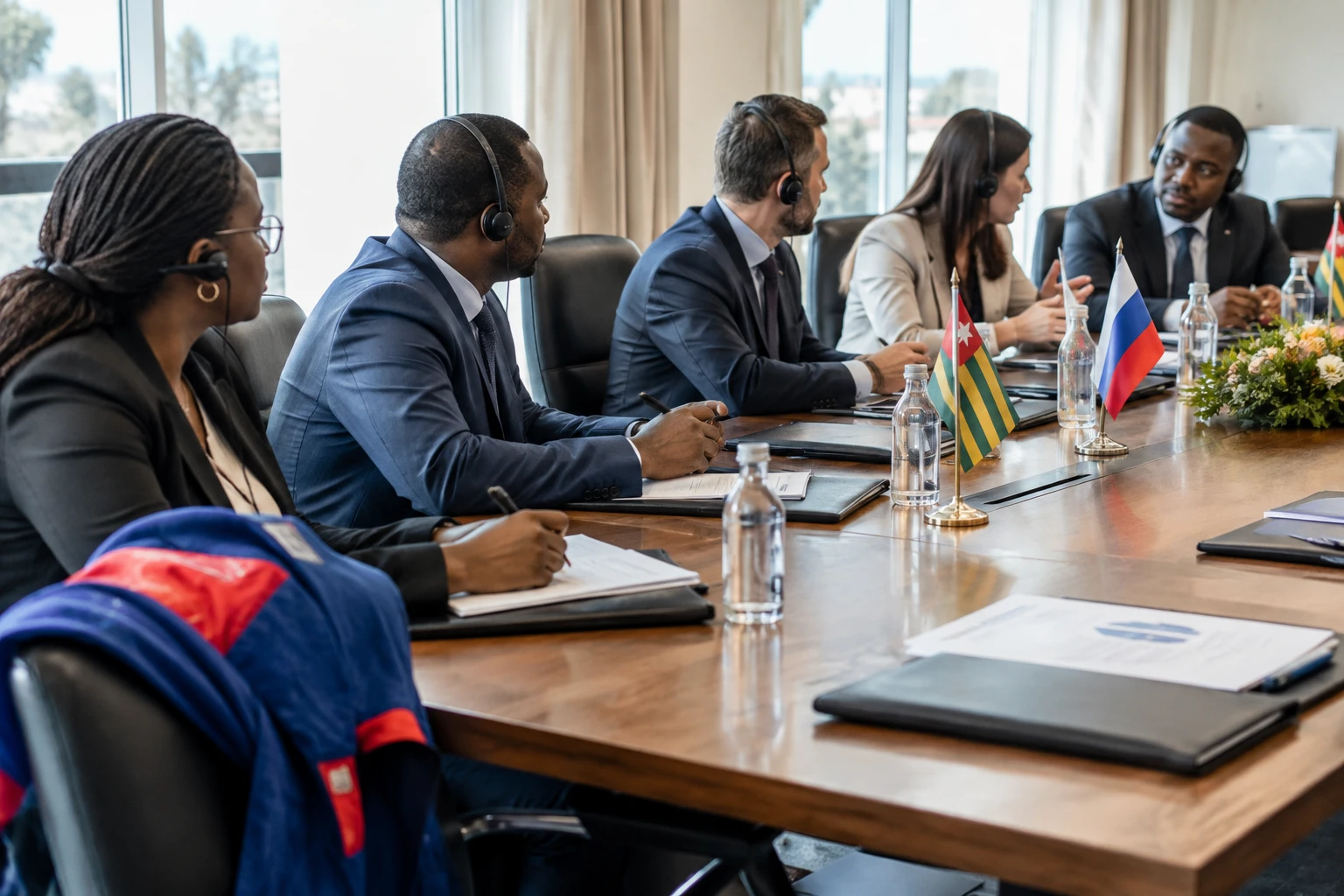
A framework for cooperation has been in place since 25 April 2023. On that day, the sports ministers of Togo and Russia signed a memorandum of understanding in Lomé. The text provides for exchanges of expertise, training, working visits and links between federations. It covers several areas of sport, from grassroots to elite level. However, it does not, by itself, guarantee specific scholarships for sambo athletes: these remain something practitioners have called for.
This distinction matters. An intergovernmental agreement establishes a framework; turning it into training courses, equipment or training pathways then depends on concrete programmes and their funding. For FETOS, the challenge is therefore to turn bilateral contacts into lasting opportunities accessible to Togolese athletes and coaches.
The issue extends beyond elite athletes. In August 2026, the federation organised a beach sambo Open at Lorenzo Beach to mark the start of the school year. More than 50 young people aged 7 to 14, including participants from Lomé and Sokodé, took part. This format brings the discipline closer to families and clubs, and could widen its pool of participants beyond the capital.
An emerging sport in a crowded regional landscape
Sambo must find its place among combat sports already established in Togo, such as judo, wrestling and taekwondo. The task is not simply to attract new practitioners. Clubs need to be able to offer regular coaching, while sports officials must weigh up competing disciplines and limited resources.
The results nevertheless provide benchmarks. In Cairo in June 2026, Anthony Yao Sodjinê won two bronze medals, in sport sambo and beach sambo. The International Sambo Federation confirms his podium finish in the under-58kg sport sambo category. The Togolese federation, for its part, reports that the country won three bronze medals at these African Championships, which were attended by 25 nations.
These results show that Togolese sambo is about more than demonstrations on the coast. They are not yet enough to gauge the depth of the club network or its ability to develop a new generation. The number of young people at the 2026 Open is an encouraging indicator, but the challenge will be to keep them involved after the event and offer them regular training.
At West African level, the African Championships and the African Games give athletes the chance to compete against more established delegations. ECOWAS, the regional organisation of West African countries, does not oversee these sambo competitions; sports cooperation here takes place mainly through national federations and the discipline’s continental bodies. African events therefore remain essential for gaining experience and assessing progress.
From introduction to a sustainable pathway
The next stage will depend on continuity: a competition calendar, coach training, access to facilities and the continuation of activities for young people. Lomé’s coastline offers a high-profile showcase. But consolidating sambo will also depend on its presence in clubs and inland towns, where access to training may differ.
The discipline’s journey illustrates a broader question for Togolese sport: how can the interest generated by an event be converted into regular participation, and then into international results? For sambo, the medals won in Cairo and youth initiatives provide a foundation. The next step will be to sustain this momentum beyond the sand and major competitions.
Togolese report on the first beach sambo demonstration in Lomé · Official results of the 2024 African Sambo Championships · The sports memorandum signed between Togo and Russia · Results of the 2026 African Sambo Championships.