Algeria
 Egypt
 Libya
 Morocco
 Sudan
 Tunisia
 Benin
 Burkina Faso
 Cabo Verde
 Côte d'Ivoire
 Ghana
 Guinea
 Guinea-Bissau
 Liberia
 Mali
 Mauritania
 Niger
 Nigeria
 Senegal
 Sierra Leone
 The Gambia
 Cameroon
 Central African Republic
 Chad
 DR Congo
 Equatorial Guinea
 Gabon
 Republic of the Congo
 São Tomé and Príncipe
 Burundi
 Comoros
 Djibouti
 Eritrea
 Ethiopia
 Kenya
 Madagascar
 Malawi
 Mauritius
 Mozambique
 Rwanda
 Seychelles
 Somalia
 South Sudan
 Tanzania
 Uganda
 Angola
 Botswana
 Eswatini
 Lesotho
 Namibia
 South Africa
 Zambia
 Zimbabwe
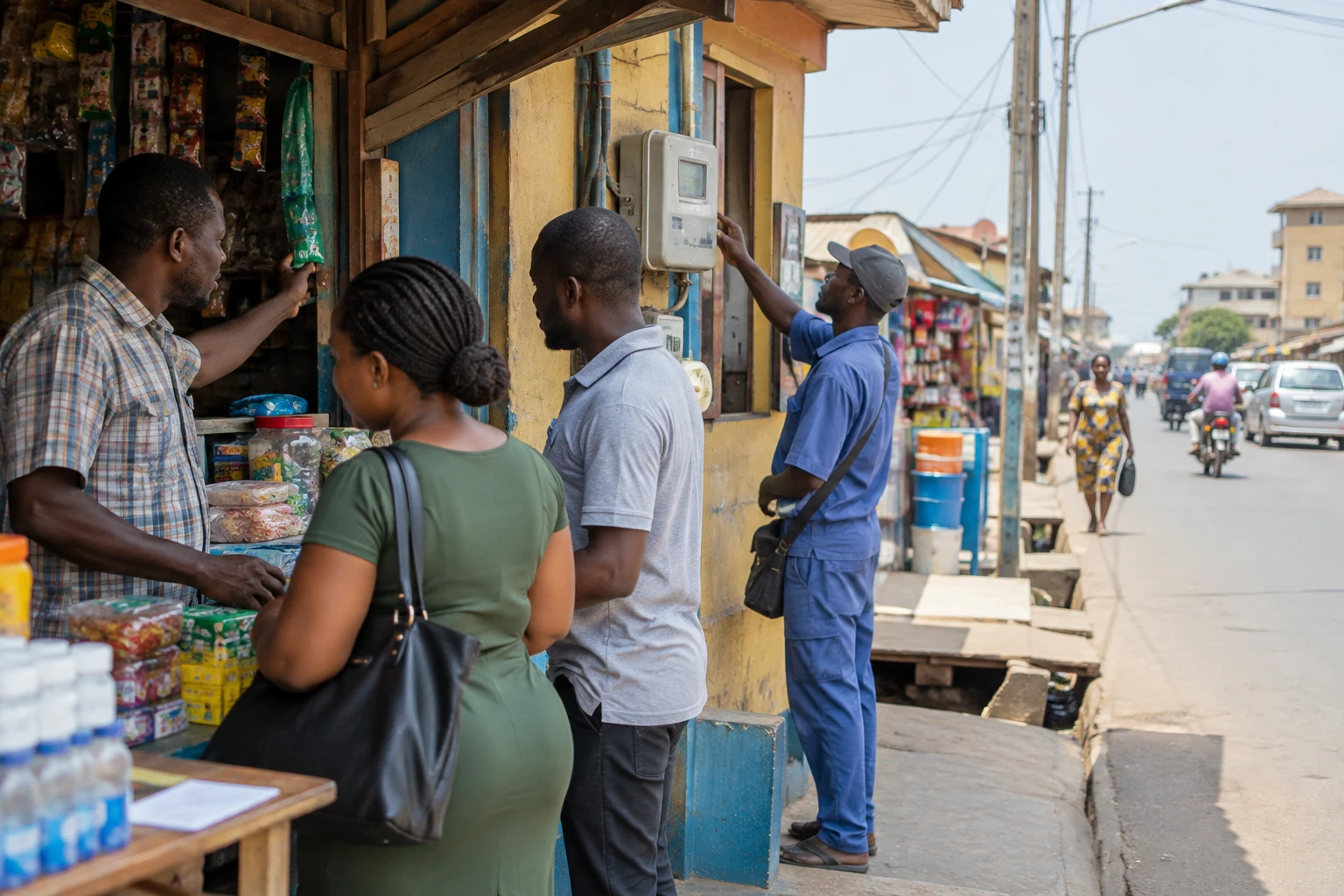
When gas supplies to thermal power plants are interrupted, the effects can be felt far beyond the generation sites. In Togo, scheduled maintenance on the West African gas pipeline is testing the grid’s ability to supply electricity to households and businesses without further disruption to service.
Energy dependence that crosses borders
Togo is connected to the West African Gas Pipeline, operated by the West African Gas Pipeline Company (WAPCo). This infrastructure transports gas from Nigeria to Benin, Togo and Ghana. It links several West African markets, but also makes their supplies vulnerable to work and constraints affecting the shared network. WAPCo’s overview of the regional pipeline describes its connections with Lomé and neighbouring countries.
This dependence concerns the gas used by Togo’s thermal power plants. It is part of an electricity system in which domestic generation is not always sufficient to meet demand and regional power exchanges are important. West African energy cooperation makes it possible to share resources, but does not shield countries from disruption to essential infrastructure.
The issue therefore goes beyond the management of a single national utility. It touches on energy security: the ability to maintain a sufficiently reliable supply despite disruptions to generation, transmission or supplies. For consumers, the risk translates into possible power cuts, the scale of which will depend on the replacement options available.
Gas supplies halted, more expensive fuels brought in
The Compagnie énergie électrique du Togo (CEET) announced on 5 October that WAPCo maintenance work would temporarily interrupt natural gas supplies to thermal power plants. The newly announced period runs from 7 to 22 October 2026. According to several Togolese media outlets, the work, initially scheduled for 28 August to 21 September, had been postponed before being rescheduled. AfrikaHabari and Alerte24 report the same dates and the same reason.
To limit the drop in generation, CEET plans to make greater use of liquid fuels. This could allow some thermal capacity to remain operational despite the halt in gas deliveries. However, the company said in statements reported by Togolese media that this option costs more.
The measure does not guarantee that there will be no power cuts. CEET warns that some neighbourhoods or localities could experience interruptions during the period. It says it aims to limit their scale, but the available information does not specify the areas concerned or provide a detailed schedule of outages. It would therefore be premature to announce a precise programme for Lomé or the regions.
As this work begins on 7 October, the announced period is under way and is due to end on 22 October. The use of a replacement fuel involves a trade-off: maintaining electricity supplies as far as possible at the cost of higher generation expenses, rather than further reducing the amount of electricity available. The published information does not make it possible to measure the exact cost of this operation or its possible effect on CEET’s accounts.
Different consequences for different users
A power cut does not affect everyone in the same way. In households, it can disrupt food preservation, lighting and daily activities. For a small business, workshop or shop that relies on electrical equipment, even a brief interruption can slow production or lead to extra expenses, particularly if a generator is needed.
The gap can also widen between users able to afford a backup solution and those who cannot. An equipped business may be able to continue some of its operations; a household or small shop has less room to manoeuvre. And power cuts announced in “some neighbourhoods or localities” could affect the capital, Lomé, and areas outside major centres differently, although CEET has not detailed this distribution in the information reported.
Pressure on the system is not solely a matter of supply. The start of the year had already been marked by difficulties that CEET had linked, according to available reports, to rising demand from households and economic activity. This is a reminder that a grid must manage its resources and equipment while meeting changing needs. The sources consulted do not, however, provide figures that would make it possible to quantify this increase.
A test of regional energy resilience
The situation highlights a challenge shared by countries connected to the pipeline: regional infrastructure provides essential resources, but also requires coordination and backup solutions. WAPCo’s gas pipeline serves several West African states. Scheduled maintenance is not the same as an unexpected breakdown, but its impact on power plants underscores the interdependence of the grids.
For Togo, the underlying challenge is to make supplies less vulnerable to temporary disruptions while meeting growing demand. Media reports have described the 2026 energy budget as aimed, among other things, at electrifying localities and strengthening the sector. Africa Business Insight reports a stated allocation of $126.6 million. This sum is part of a separate investment programme: it does not mean that replacement capacity will be available during the October work.
The next developments to watch are the effective completion of maintenance on 22 October, the resumption of gas deliveries and an assessment of the power cuts recorded. They will make it possible to assess whether the use of liquid fuels was sufficient to limit outages, and which areas were most exposed. In the longer term, the regional question remains how robust the interconnections are and what options countries have when a shared energy source becomes temporarily unavailable.