Algeria
 Egypt
 Libya
 Morocco
 Sudan
 Tunisia
 Benin
 Burkina Faso
 Cabo Verde
 Côte d'Ivoire
 Ghana
 Guinea
 Guinea-Bissau
 Liberia
 Mali
 Mauritania
 Niger
 Nigeria
 Senegal
 Sierra Leone
 The Gambia
 Togo
 Cameroon
 Central African Republic
 Chad
 DR Congo
 Equatorial Guinea
 Gabon
 Republic of the Congo
 São Tomé and Príncipe
 Burundi
 Comoros
 Djibouti
 Eritrea
 Ethiopia
 Kenya
 Madagascar
 Malawi
 Mauritius
 Mozambique
 Rwanda
 Seychelles
 Somalia
 South Sudan
 Uganda
 Angola
 Botswana
 Eswatini
 Lesotho
 Namibia
 South Africa
 Zambia
 Zimbabwe
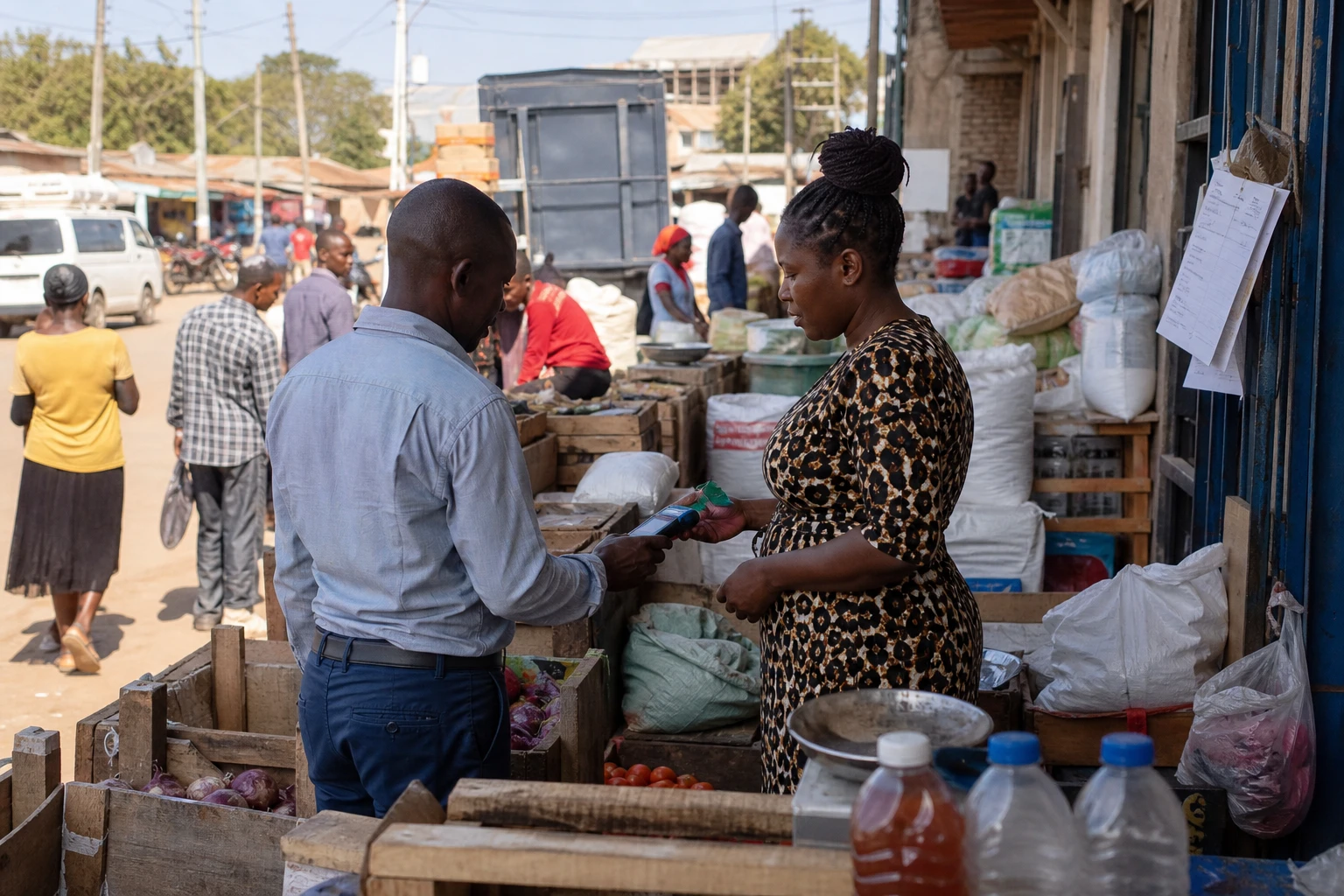
In north-western Tanzania, a mine that opened in the early 2000s has just secured an additional 15 years. For Dodoma, the stakes go beyond the duration of a permit: the aim is to maintain public revenue, jobs and industrial activity in a region far from the main economic centres.
A new chapter for North Mara
The Tanzanian government has renewed North Mara’s special mining licences for 15 years. The agreement extends mining rights until 2041, Barrick Mining announced on Monday 5 October 2026. The news was also reported by the specialist press, confirming the decision beyond the operator’s own announcement.
Located in Tarime District, in the Mara Region, North Mara lies about 100 kilometres east of Lake Victoria and close to the Kenyan border. The mine has produced gold since 2002. Its operations combine open-pit and underground mining at the Nyabirama and Gokona deposits.
The site is operated by North Mara Gold Mine Limited, a company controlled by Barrick since 2019. The Canadian company owns 84% of the project. The Tanzanian state retains a 16% free-carried interest through the Twiga Minerals partnership, which brings together North Mara and the Bulyanhulu mine.
This arrangement goes beyond an equity stake. It also provides for an equal sharing of economic benefits between Barrick and the Tanzanian government. For Dodoma, this formula increases public returns when gold prices rise.
A resource that remains profitable, but more demanding
The permit extension follows several years of investment aimed at replenishing reserves. Barrick says North Mara had 249,000 ounces of attributable production at the end of 2025, based on its 84% stake. The figure for the project as a whole is about 296,000 ounces.
These figures indicate the mine’s importance to Tanzania’s gold sector. They do not, however, guarantee the same level of production through to 2041. Ore grades, energy costs, underground works and market conditions can all affect the mining schedule.
For 2026, Barrick had forecast attributable production at North Mara of between 200,000 and 230,000 ounces. This estimate, below the 2025 result, is a reminder that an administrative extension does not automatically mean higher output.
The mine nevertheless benefits from a favourable gold market. High prices boost the operator’s revenue and mechanically increase royalties, taxes and other production-related levies. Conversely, a prolonged fall in prices could delay some investment or make the most expensive operations less attractive.
What Tanzania is seeking to preserve
The renewal is part of Tanzania’s strategy to increase the contribution of mineral resources to the national economy. According to the Tanzanian authorities, mining accounted for 10.1% of gross domestic product in 2024. The government had set a target of 10% by 2025.
North Mara generates revenue for the national budget, but its impact is also measured in local procurement, wages and contracts awarded to Tanzanian companies. Barrick says 96% of its employees in Tanzania are Tanzanian nationals. Nearly half are said to come from communities around the mines operated under Twiga.
In the Mara Region, mining therefore supports a local economy that does not rely solely on gold production. Transport operators, technical service providers, goods suppliers, skilled workers and small businesses can benefit from the site’s presence. However, these benefits depend on the mine’s ability to sustain local procurement and provide long-term training for its workforce.
Community investment is another sensitive area. Barrick has said it has funded projects related to drinking water, health and education. Their real impact will depend on maintenance, how resources are distributed among villages and transparency in setting priorities.
The extension does not make the questions surrounding major extractive projects disappear. Access to land, water management, site security and relations with residents will remain central to local oversight. In an area close to a porous border, the fight against trespassing and illegal artisanal mining also adds a security dimension.
A signal for East Africa
The decision directly concerns Tanzania, but its implications resonate across the East African Community, or EAC, which is seeking to deepen trade and regional value chains. Gold extracted in Mara can support transport, maintenance and processing services that extend beyond Tarime District.
It also comes as several African countries review their mining contracts. The debate concerns the share going to states, local processing and the role of domestic companies in supply chains. The Twiga model will be watched in this regard: it combines public ownership, benefit-sharing and continued operations by an international group.
For Dodoma, the challenge now is to turn the permit extension into lasting value. This means securing revenue, strengthening Tanzanian expertise and publishing regular information on production, public payments and environmental commitments.
North Mara could therefore remain an important asset until 2041. But its success will not be measured solely by the number of ounces extracted. It will also depend on the partnership’s ability to sustain operations, limit their impact and channel mining revenue into Tanzania’s development.