Algeria
 Egypt
 Libya
 Morocco
 Sudan
 Tunisia
 Benin
 Burkina Faso
 Cabo Verde
 Côte d'Ivoire
 Ghana
 Guinea
 Guinea-Bissau
 Liberia
 Mali
 Mauritania
 Niger
 Nigeria
 Senegal
 Sierra Leone
 The Gambia
 Togo
 Cameroon
 Central African Republic
 Chad
 DR Congo
 Equatorial Guinea
 Gabon
 Republic of the Congo
 São Tomé and Príncipe
 Burundi
 Comoros
 Djibouti
 Eritrea
 Ethiopia
 Kenya
 Madagascar
 Malawi
 Mauritius
 Mozambique
 Rwanda
 Seychelles
 Somalia
 South Sudan
 Uganda
 Angola
 Botswana
 Eswatini
 Lesotho
 Namibia
 South Africa
 Zambia
 Zimbabwe
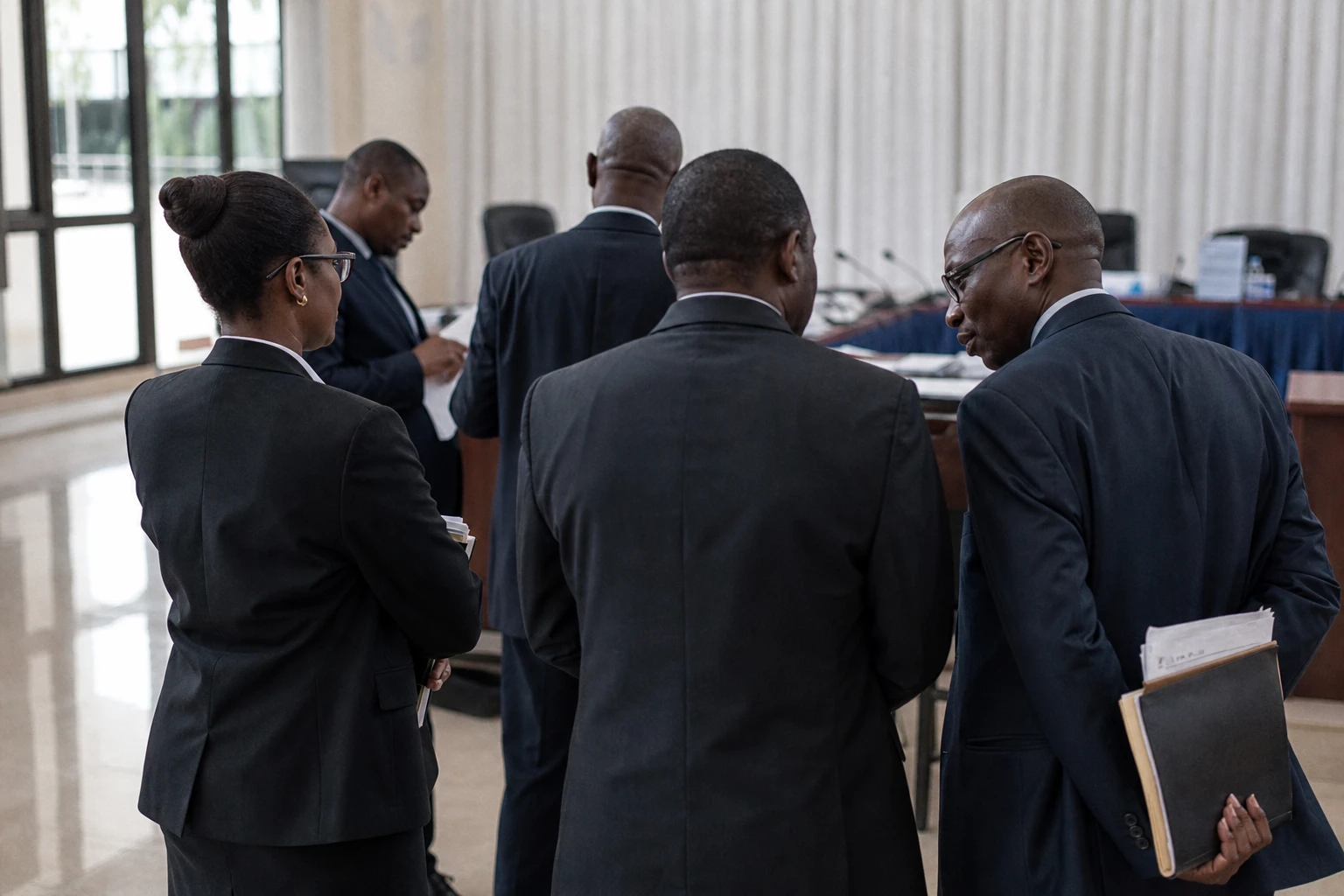
In Dar es Salaam, a trial that goes beyond one opposition figure
In Tanzania, a court case can quickly become a political test. When it targets Tundu Lissu, one of the opposition’s best-known figures, it also weighs on the credibility of institutions, public space and the coming election campaign.
On 10 August 2025, the High Court in Dar es Salaam resumed hearings in his treason trial after a suspension lasting several months. The opposition leader, chair of Chadema, has been detained since April 2025. In theory, he faces the death penalty prescribed under Tanzanian law for this offence.
The case comes amid an already tense political climate. A few weeks before the 2025 election, the opposition was denouncing the gradual closure of political space, while human rights organisations were noting growing restrictions on parties, the media and activists.
What the court case says
The trial’s resumption followed a precise sequence of procedural steps. The hearing was adjourned on 24 February pending a prosecution appeal against a decision allowing additional evidence to be admitted. The Court of Appeal dismissed that appeal on 30 July, clearing the way for hearings to resume.
When the trial resumed, Tundu Lissu accused the prosecution of seeking to prolong the proceedings in order to keep him in pre-trial detention. He also publicly challenged the way the case was being handled. Chadema, for its part, described the hearing as a decisive moment for its leader’s freedom and, more broadly, for the rule of law.
This case is not isolated. Since his arrest in April 2025, Lissu has been held in prison on the basis of a particularly serious accusation. Treason is one of the gravest charges in Tanzania’s criminal code. It effectively rules out an early release on bail, mechanically extending the period of detention before trial.
Why the case matters for Tanzania
The Lissu case touches on a sensitive issue in Tanzanian political life: the balance between security, justice and electoral competition. On paper, President Samia Suluhu Hassan has embodied a period of relative openness since 2021, following the harsher era of John Magufuli. In practice, several African and international observers believe this easing has been incomplete and short-lived.
Developments in 2025 have deepened these doubts. Chadema was excluded from the election after refusing to sign the electoral code of conduct. Human Rights Watch noted that the electoral commission, despite its name, is appointed by the president and its decisions cannot be challenged through the ordinary courts.
For the opposition, the message is clear: the battle is not only about a seat or a candidacy, but about access to the democratic process itself. For the authorities, by contrast, the challenge is to present public order and institutional discipline as priorities. This tension explains why a criminal case can become, in Dar es Salaam as in Dodoma, a matter of political system rather than a simple individual dispute.
The effects differ for each group. For leaders, the trial provides a means of controlling a restive opposition. For activists, it creates a climate of fear and self-censorship. For urban voters, particularly in Dar es Salaam, it fuels distrust. In rural areas, where access to information is more limited, it also reinforces the idea that national contests take place without a genuinely level playing field. This political divide has a direct consequence: it reduces confidence in institutions even before the vote.
A Tanzanian case with regional implications
Tanzania is a member of the East African Community, the EAC, a bloc where electoral crises, restrictions on freedoms and legal challenges are closely monitored because they can spill across borders. The Tanzanian precedent therefore matters to the whole region, particularly in debates about the independence of electoral commissions, the role of opposition parties and the handling of protests.
The African Union itself found that the 2025 general elections did not comply with its democratic principles. In its preliminary observation mission, it cited an environment not conducive to peaceful elections and called for urgent constitutional and political reforms. It also noted a nationwide internet shutdown on voting day, a sign of security measures that are coming under increasing criticism at continental level.
The next steps in the case will therefore be watched far beyond Tanzania. If the proceedings move forward, they will reveal something about the country’s ability to handle a highly political dispute within a transparent judicial framework. If they stall, they will prolong questions already raised by African observers: how can competitive elections be organised when the main challengers are absent, barred or detained? The answer will carry weight in Dodoma, Dar es Salaam and for the institutional image of East Africa as a whole.