Algeria
 Egypt
 Libya
 Morocco
 Sudan
 Tunisia
 Benin
 Burkina Faso
 Cabo Verde
 Côte d'Ivoire
 Ghana
 Guinea
 Guinea-Bissau
 Liberia
 Mali
 Mauritania
 Niger
 Nigeria
 Senegal
 Sierra Leone
 The Gambia
 Togo
 Cameroon
 Central African Republic
 Chad
 DR Congo
 Equatorial Guinea
 Gabon
 Republic of the Congo
 São Tomé and Príncipe
 Burundi
 Comoros
 Djibouti
 Eritrea
 Ethiopia
 Kenya
 Madagascar
 Malawi
 Mauritius
 Mozambique
 Rwanda
 Seychelles
 Somalia
 South Sudan
 Uganda
 Angola
 Botswana
 Eswatini
 Lesotho
 Namibia
 South Africa
 Zambia
 Zimbabwe
Preparing before the heatwave
In Dar es Salaam, heat is no longer just a source of discomfort. In workshops, on construction sites, in stadiums and even in densely populated neighbourhoods, it is becoming a health risk in its own right. Against this backdrop, Tanzania is launching a new prevention campaign designed to communicate simply, act quickly and reach people at risk before emergencies arise.
The stakes go beyond health alone. The country is also preparing for major sporting events and large gatherings, including the 2027 Africa Cup of Nations, which Tanzania will co-host with its regional neighbours. For officials and doctors alike, this calls for a different approach to managing the climate in cities, workplaces and public spaces.
A public health response, not just a communications campaign
The project has a simple name, “Beat the Heat”, and is built around short messages in English and Kiswahili. The guidance is practical: stop, find shade, drink water, seek help if you do not feel better, and treat heatstroke as a medical emergency. The initiative was developed by Tanzania’s Ministry of Health with support from the World Health Organization and funding from the FIFA Legacy Fund.
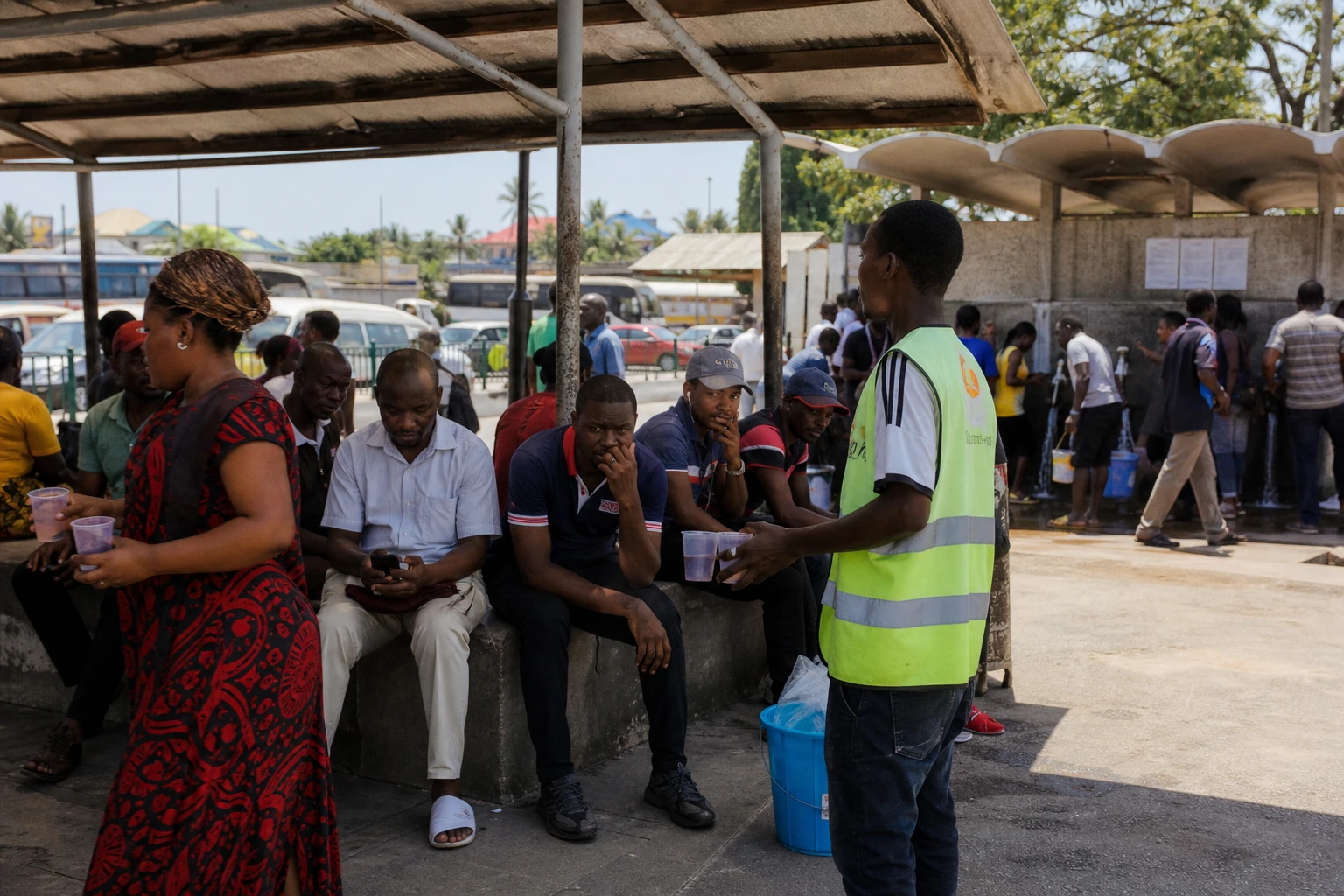
In the coming months, these messages are to be shared in workplaces, public spaces and at sporting events. The programme also includes drinking-water points, more shade and protective equipment for workers exposed to heat. In other words, prevention is not just about raising awareness. It aims to change working environments and first-response practices.
The WHO says heat stress is one of the main weather-related health risks. It worsens cardiovascular disease, diabetes, asthma and some respiratory conditions, while also increasing the risk of accidents and medical emergencies. The organisation also notes that outdoor workers, children, older people and participants in mass gatherings are among those most exposed.
Why Tanzania is acting now
Timing matters. The campaign was developed over several months and is being stepped up as the country hosts more major sporting and cultural events. Preparation for the 2027 Africa Cup of Nations is therefore not just a backdrop. It is a testing ground for broader public policies that can protect crowds, as well as employees, street vendors and residents of the most exposed urban areas.
At national level, the initiative responds to a climate reality that is already well documented. Global warming is increasing heatwaves and their frequency, while cities concentrate vulnerability: heavy traffic, a lack of shade, poorly ventilated buildings and unequal access to water. In Tanzania, the effects differ for informal workers, motorists, schoolchildren, healthcare workers and people living in outlying areas.
The choice of short messages in Kiswahili is important. In a country where public health communication must reach urban centres as well as remote communities, guidance is only effective if it is understood immediately. That is often what determines whether useful advice is followed or ignored.
A signal for East Africa and beyond
Tanzania is placing this initiative within a broader regional framework. The country is a member of the East African Community, which is headquartered in Arusha and has recently highlighted a ten-year climate strategy as well as a regional health preparedness framework. The message is clear: extreme heat is no longer an isolated issue, but a matter of economic, health and urban resilience.
This directly concerns health systems, but also everyday economies. When heat disrupts construction sites, markets, transport or outdoor activities, it first affects the incomes of the workers most exposed. It can also put pressure on hospitals, already dealing with other climate emergencies such as floods and droughts, which the region experiences regularly.
At continental level, the value of Tanzania’s experience lies in its approach: prepare in advance, tailor communication to different audiences, and bring together health, sport, climate and work. If the campaign is followed by sustained action in schools, stadiums, hospitals and workplaces, it could serve as a model for other African capitals facing the same rise in temperatures. The real test will begin with the next hot season and the major events awaiting the country between now and 2027.