Algeria
 Egypt
 Libya
 Morocco
 Tunisia
 Benin
 Burkina Faso
 Cabo Verde
 Côte d'Ivoire
 Ghana
 Guinea
 Guinea-Bissau
 Liberia
 Mali
 Mauritania
 Niger
 Nigeria
 Senegal
 Sierra Leone
 The Gambia
 Togo
 Cameroon
 Central African Republic
 Chad
 DR Congo
 Equatorial Guinea
 Gabon
 Republic of the Congo
 São Tomé and Príncipe
 Burundi
 Comoros
 Djibouti
 Eritrea
 Ethiopia
 Kenya
 Madagascar
 Malawi
 Mauritius
 Mozambique
 Rwanda
 Seychelles
 Somalia
 South Sudan
 Tanzania
 Uganda
 Angola
 Botswana
 Eswatini
 Lesotho
 Namibia
 South Africa
 Zambia
 Zimbabwe
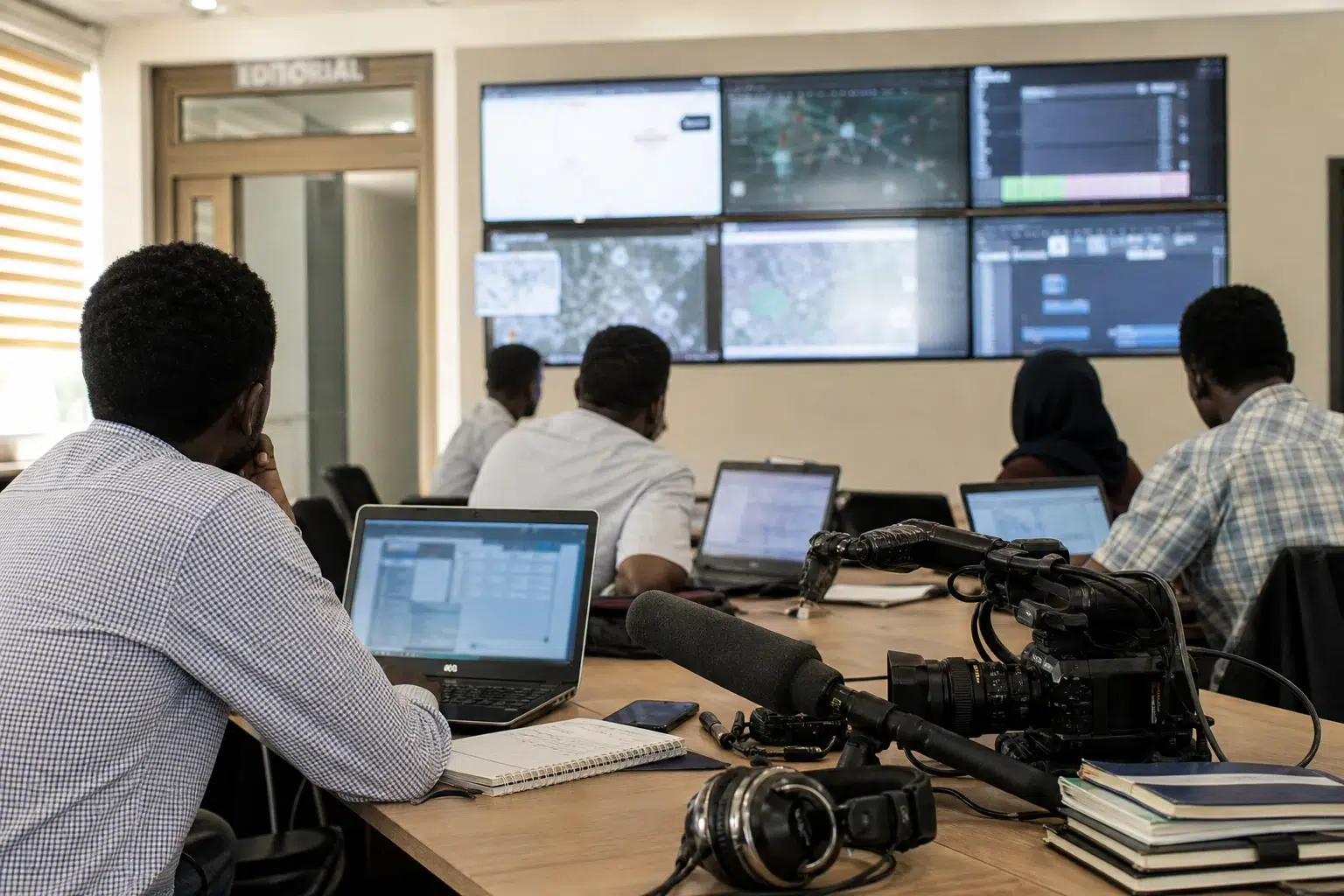
In North Kordofan, the front is already taking a toll on roads and lives
In Sudan, a military advance is measured not only by a town recaptured. It is also visible in a bridge closure, a burnt-out convoy and families setting off again along dirt tracks. Around El-Obeid in North Kordofan, the war has once again become a battle for key routes, far more than a simple exchange of fire.
The province lies at a strategic crossroads between Khartoum, Darfur and the centre of the country. Since the Sudanese army recaptured several towns in late July, fighting has resumed there with renewed intensity, while the Rapid Support Forces (RSF) have sought to seize the initiative with drone strikes and vehicle build-ups.
In the north, the army says it is containing the RSF
According to information corroborated by specialist media outlets and military sources, the Sudanese army has in recent days targeted concentrations of RSF fighters in North Kordofan. On Tuesday, a paramilitary convoy was hit by army drones, which the army says destroyed about 50 military vehicles. Fighter aircraft were also deployed in the area, a rare occurrence on this front.
The stated aim is clear: to prevent the recapture of Bara, Jabrat al-Cheikh and other points that control the road to El-Obeid. The army also says it has intercepted three Chinese-made drones used by the RSF since Saturday and repelled a reconnaissance force advancing towards the regional capital.
According to the same reports, 315 RSF fighters are said to have surrendered. Their commander, Lieutenant-General Moussa Khamis, appeared in a video to announce his defection. It is difficult to independently verify every detail of this footage in real time, but several sources agree that military pressure on paramilitary units in the region is clearly mounting.
Another name has emerged in the fighting: Youssef Abkarank, described as an RSF official, is said to have died at a hospital in Nyala after a drone strike. Here again, allegations of abuses attributed to him are based on consistent accounts reported by local sources, and should be treated with caution until established by an independent investigation.
In Blue Nile, the balance of power shifts again
The picture is different in Blue Nile state, on the border with Ethiopia. There, the RSF, allied with a faction of the Sudan People’s Liberation Movement-North led by Abdelaziz al-Hilu, have captured Gaissan and then Kurmuk, two towns the army had already retaken in July. The paramilitaries now say they are targeting Damazin, the state capital. The army, for its part, disputes their advance and has released its own footage from Agrou.
This shift is significant. Gaissan and Kurmuk control crossings and roads that are useful to troop movements, but also to civilians trying to flee. The army destroyed the Bakouri bridge in Gaissan to slow the RSF advance towards Damazin. The decision is also slowing the exodus of residents. In a war of movement, infrastructure quickly ceases to be neutral.
The International Organization for Migration has estimated that nearly 10,000 people have been displaced by the recent violence in Blue Nile. The Sudanese Doctors Network has also described extremely harsh humanitarian conditions. More broadly, the IOM said in May 2026 that about 59,742 people had already been displaced from areas of Blue Nile during the year, a sign of prolonged pressure on a region that has never regained stability.
What this fighting says about Sudan in 2026
Since the war began in April 2023, Sudan has remained the scene of a conflict marked by territorial fragmentation. The army is seeking to recapture towns, secure key routes and restore a chain of command. The RSF are relying on mobility, drones, local alliances and the dispersal of fronts. North Kordofan and Blue Nile show the two sides of this strategy.
For residents, the stakes are tangible. In El-Obeid and towns across Kordofan, returns remain precarious because infrastructure has been destroyed and attacks can resume at any time. In Blue Nile, forced displacement is compounding a longstanding crisis marked by interrupted returns, blocked roads and a paralysed local economy. Markets, transport and healthcare are paying the immediate price of this instability.
The conflict also has regional political implications. In June 2026, the African Union again called for any escalation to be avoided and for those responsible for violations against civilians to be held to account. The Intergovernmental Authority on Development (IGAD) and the consultative group known as the “Quintet” reiterated in early August that no parallel structure should be established and that inclusive Sudanese dialogue remains the only lasting solution. These positions matter because Sudan’s fate is not being decided in Khartoum alone: the conflict affects Ethiopia, South Sudan, Chad, Egypt and security across the Horn of Africa.
The immediate outlook will depend on two factors. First, whether the army can hold its gains in North Kordofan without overextending and leaving gaps. Second, whether the RSF can maintain support networks in Blue Nile and elsewhere despite losses and defections. In the coming days, the battle for El-Obeid and pressure on Damazin will show whether this phase of the conflict remains a war of attrition or opens a new cycle of territorial expansion.