Algeria
 Egypt
 Libya
 Morocco
 Sudan
 Tunisia
 Benin
 Burkina Faso
 Cabo Verde
 Côte d'Ivoire
 Ghana
 Guinea
 Guinea-Bissau
 Liberia
 Mali
 Mauritania
 Niger
 Nigeria
 Senegal
 Sierra Leone
 The Gambia
 Togo
 Cameroon
 Central African Republic
 Chad
 DR Congo
 Equatorial Guinea
 Gabon
 Republic of the Congo
 São Tomé and Príncipe
 Burundi
 Comoros
 Djibouti
 Eritrea
 Ethiopia
 Kenya
 Madagascar
 Malawi
 Mauritius
 Mozambique
 Rwanda
 Seychelles
 Somalia
 Tanzania
 Uganda
 Angola
 Botswana
 Eswatini
 Lesotho
 Namibia
 South Africa
 Zambia
 Zimbabwe
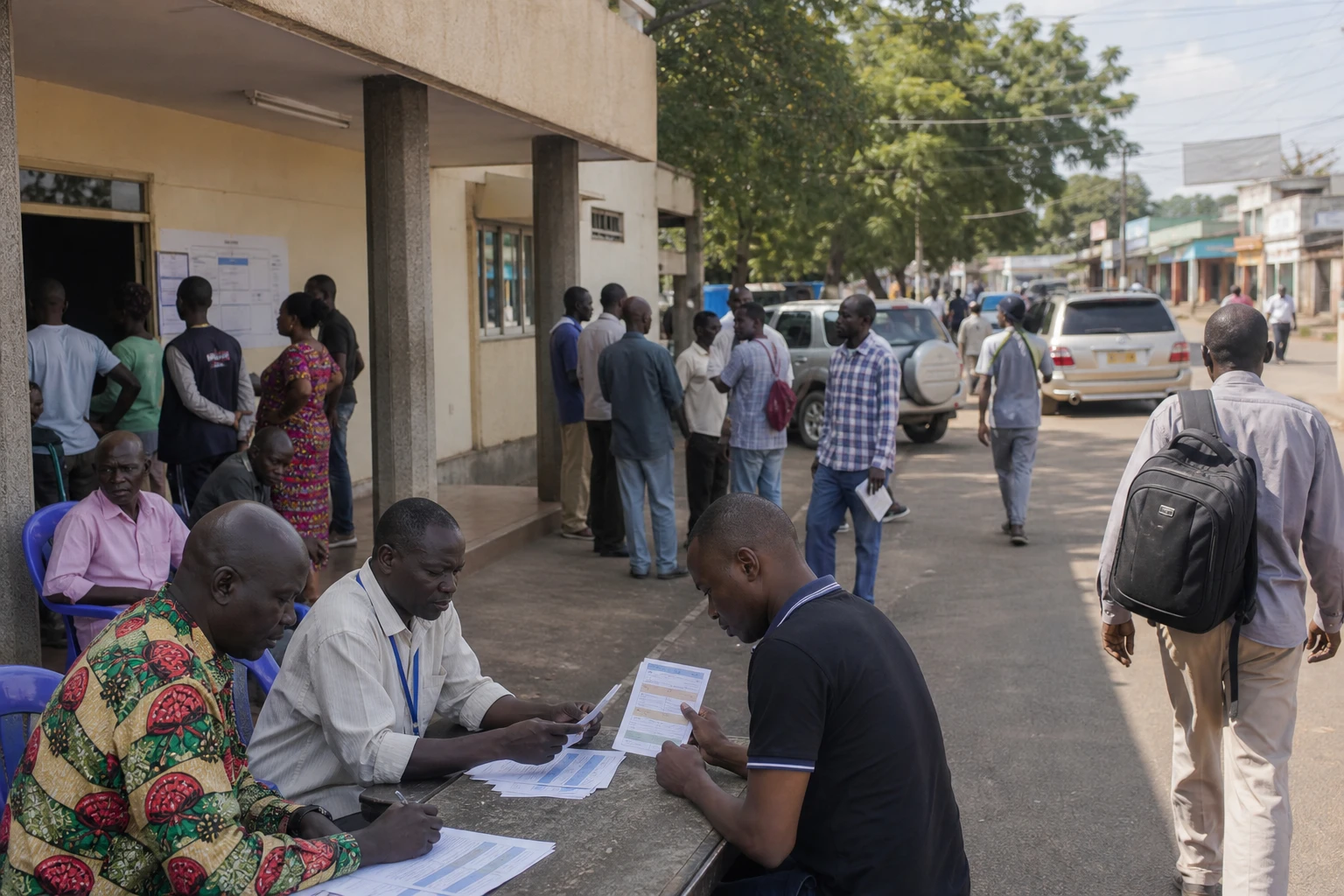
In Juba, the election timetable is no longer enough to guarantee an orderly transition. Three months before the first general election since South Sudan’s independence, a new power structure is concentrating more responsibilities in the hands of President Salva Kiir.
A transition born of the peace agreement comes to an end
On 22 September 2026, Salva Kiir announced the dissolution of the transitional government of national unity. The administration had been formed in 2020 to implement the revitalised peace agreement signed two years earlier with several political and military groups.
The 2018 agreement was intended to end the civil war that began in 2013 over the rivalry between Salva Kiir and Riek Machar. It was based on power-sharing between the two main camps. The transition was nevertheless extended several times because of institutional delays, armed tensions and disagreements over the conditions for an election.
The decision announced in Juba follows the adoption of amendments to the electoral law. The changes allow the president to remain in office during the election period, until the next elected head of state takes office. The reform also decoupled the organisation of the vote from two processes long considered prerequisites: a permanent constitution and a national census.
The state broadcaster South Sudan Broadcasting Corporation reported that the dissolution was intended to pave the way for general elections scheduled for 22 December 2026. South Sudanese media outlet Radio Tamazuj confirmed the end of the transitional executive and the appointment of an administration to ensure continuity of government.
Riek Machar removed, power-sharing weakened
The measure affects all the vice-presidents. Riek Machar, first vice-president and Salva Kiir’s main opponent, has therefore officially lost his post. The other four vice-presidents have also been relieved of their duties.
The decision comes as Riek Machar has been under house arrest in Juba since March 2025. He faces charges related to clashes between government forces and armed groups opposed to the government. His supporters dispute the proceedings and denounce the use of the justice system for political purposes.
The judicial context has a direct bearing on the electoral contest. The trial of the former vice-president opened in the capital in September 2025. According to one of the reports submitted to the United Nations Security Council, his removal and the arrest of several senior figures close to his camp have deepened the rift between the signatories to the peace agreement.
Machar’s departure from the executive therefore does not resolve the political conflict. It mainly alters the balance of power ahead of the vote. The president’s camp now has more direct control over the state apparatus, while the opposition must decide whether to take part in the election, boycott it or seek to negotiate new guarantees.
Interim administration faces incomplete institutions
After the dissolution, an interim administration was announced to manage public affairs until the election period. The authorities also said that several levels of government and assemblies were affected by the reorganisation.
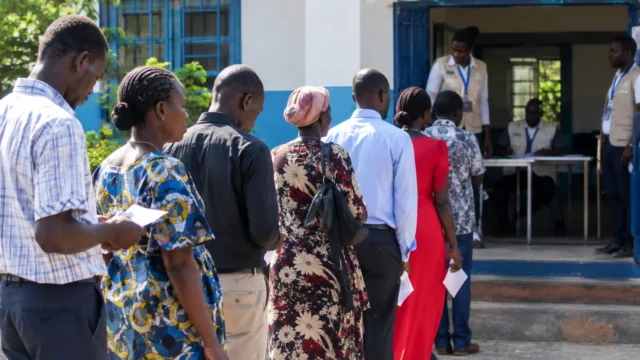
The reshuffle comes as the institutions tasked with preparing the election continue to face major constraints. The National Elections Commission has set the date for 22 December, but voter registration, the practical organisation of polling and access to remote areas remain major challenges.
South Sudan is a vast country with limited infrastructure and a heavy reliance on river and road transport. The challenges will therefore differ between Juba and other urban centres, and rural regions where the administration has a more limited presence. Displaced people and communities living in areas affected by fighting could also face specific obstacles.
Security will weigh on the credibility of the vote. In June 2026, the Associated Press reported that the opposition was still pointing to unresolved disagreements and difficulties in territories where the central government does not have full control. A few days before the dissolution, Salva Kiir had also dismissed the chair of the National Elections Commission, without providing a widely detailed public explanation.
The risk of a vote without national consensus
For the government, the dissolution is a necessary legal step before the election. For its opponents, it may look like a concentration of power at a time when the political framework remains contested.
The distinction matters. An election can be organised administratively without being accepted by the main political actors or by communities in disputed areas. In that case, the vote risks creating a fresh crisis of legitimacy rather than bringing the transition to a lasting end.
Human rights observers have already warned of this danger. The United Nations Commission on Human Rights in South Sudan has cautioned that elections without adequate safeguards could intensify tensions. Its concerns include civic space, candidates’ safety, freedom of expression and the ability of parties to campaign without intimidation.
The effects will also vary across sectors of society. Formal business actors are primarily seeking institutional clarity, while small traders, farmers and workers dependent on local markets would be the first to feel the effects of a possible resurgence of violence. In Juba, the security presence could reassure some residents. In outlying regions, it could instead be seen as a sign of a tougher approach.
A closely watched issue in East Africa
The South Sudan crisis directly concerns the Intergovernmental Authority on Development (IGAD), a regional organisation bringing together several countries in the Horn of Africa and the Nile basin. Kenya, Uganda, Ethiopia and Sudan are following the transition particularly closely because of their security, trade and people-to-people ties with South Sudan.
A deterioration of the situation in Juba could increase population movements into neighbouring countries and complicate regional trade. Conversely, an inclusive electoral process would set an important precedent for East Africa: a country emerging from a long civil war moving from a power-sharing agreement to elected institutions.
The next step will therefore be twofold. The authorities will have to maintain preparations for the election on 22 December 2026. They will also have to convince the opposition, local communities and regional partners that the end of the transitional government does not mean the end of the peace agreement. It is on this point, more than on the official timetable, that the true significance of South Sudan’s vote will depend.