Algeria
 Egypt
 Libya
 Morocco
 Sudan
 Tunisia
 Benin
 Burkina Faso
 Cabo Verde
 Côte d'Ivoire
 Ghana
 Guinea
 Guinea-Bissau
 Liberia
 Mali
 Mauritania
 Niger
 Nigeria
 Senegal
 Sierra Leone
 The Gambia
 Togo
 Cameroon
 Central African Republic
 Chad
 DR Congo
 Equatorial Guinea
 Gabon
 Republic of the Congo
 São Tomé and Príncipe
 Burundi
 Comoros
 Djibouti
 Eritrea
 Ethiopia
 Kenya
 Madagascar
 Malawi
 Mauritius
 Mozambique
 Rwanda
 Seychelles
 Somalia
 Tanzania
 Uganda
 Angola
 Botswana
 Eswatini
 Lesotho
 Namibia
 South Africa
 Zambia
 Zimbabwe
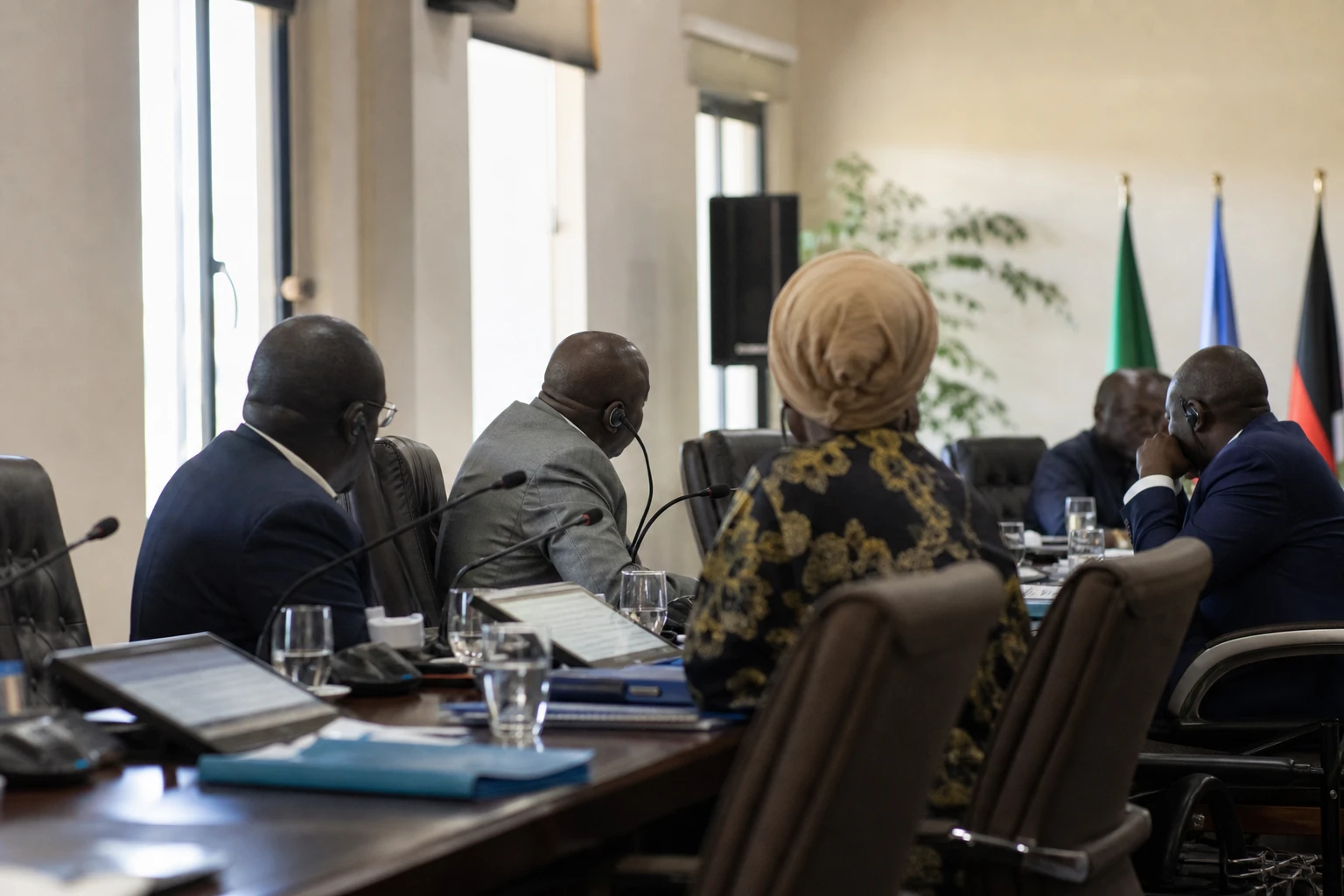
In Juba, the electoral countdown is entering a decisive phase. Three months before the election scheduled for 22 December 2026, President Salva Kiir has ended the transitional government of national unity and installed an administration tasked with managing day-to-day affairs.
This decision is more than a simple change of team. It alters the institutional balance established by the 2018 peace agreement, while several of its commitments remain unfulfilled and the country prepares for its first general election since independence.
A caretaker executive to see the country through to the vote
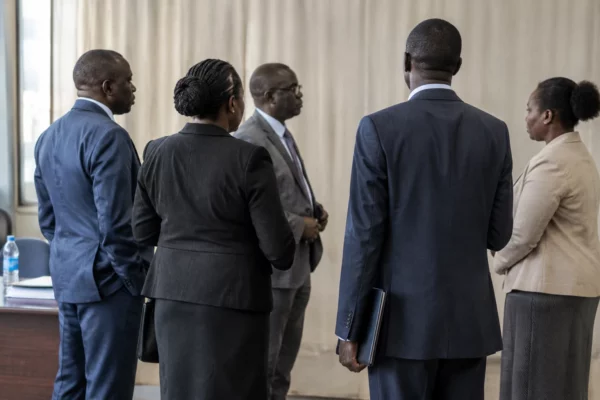
On 22 September 2026, Salva Kiir dissolved the Revitalised Transitional Government of National Unity, known by the acronym R-TGoNU. The decree also ends the terms of the five vice-presidents, including Riek Machar, the first vice-president, who is currently suspended and facing prosecution by South Sudanese courts.
The Council of Ministers, the Transitional National Legislative Assembly and the Council of States have also been dissolved, according to information published by Eye Radio. The governors of the ten states and the administrators of the three administrative areas have been removed from office.
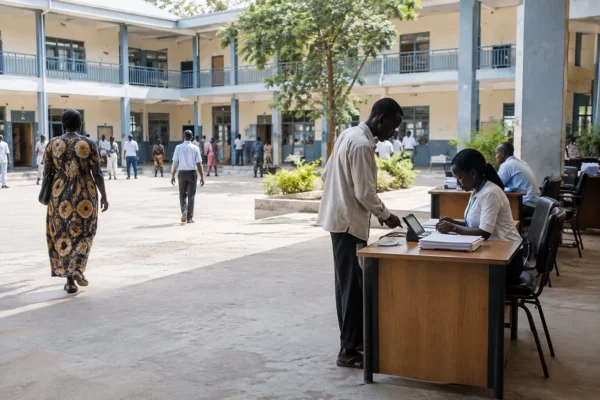
Salva Kiir remains president. He therefore retains the leadership of the executive during the pre-election period. Interim officials are to ensure continuity in the national administration, the states and the administrative areas until the vote is held.
The government has not presented this reorganisation as a new extension of the transition. It describes it as a step set out in the electoral timetable. The National Electoral Commission, for its part, is maintaining the date of 22 December 2026.
A deadline set out in electoral law
The dissolution follows the adoption of amendments to the electoral law. The text signed by Salva Kiir on 21 September paves the way for the vote without waiting for the adoption of a permanent constitution or completion of the national census.
The reform also allows the president to remain in office during the electoral period. It thus clarifies continuity in the presidency, but leaves open several questions about the division of powers between the executive, the electoral institutions and the future interim administration.
The National Electoral Commission of South Sudan says the elections are to be held on 22 December 2026, in accordance with the constitutional arrangements and the Revitalised Peace Agreement. The agreement provided for a transitional period intended to lead the country towards a pluralist vote.
The timetable has, however, already been postponed several times. In 2024, the authorities extended the transition by two years. The mandate was then due to end in February 2027, while the African Union is calling for no further extension.
The 2018 compromise under strain
The 2018 peace agreement brought Salva Kiir and his former rival Riek Machar together in a joint executive. The government formed in February 2020 was intended to reorganise the army, revise the constitutional framework and prepare for elections.
Progress on these commitments has been slow. The unification of the armed forces remains partial. The permanent constitution is unfinished. The national census has not been completed. In several regions, violence between armed groups, communal clashes and insecurity continue to restrict movement and access to public services.
The regional mechanism tasked with monitoring the ceasefire and transitional security arrangements described the situation in several parts of the country as unpredictable on 22 September. It referred to clashes involving organised forces, the mobilisation of armed youth and communal violence.
The political rift between Salva Kiir and Riek Machar also weighs on the credibility of the process. The first vice-president is suspended and faces prosecution. His camp disputes the way the country is being governed and fears that the vote will take place without sufficient guarantees for the opposition.
Concentration of power raises concern
The new configuration temporarily strengthens the presidency. The transitional parliament has been dissolved. The vice-presidents are no longer in office. Governors have been replaced by interim officials. This concentration may make administrative decisions easier, but it also reduces checks and balances at a time when the rules of the election must be implemented.
The European Union has called on the future administration to limit its work to day-to-day affairs. Its representative in Juba, Pelle Enarsson, warned that the executive must not use its powers to make major political decisions while oversight mechanisms are weakened.
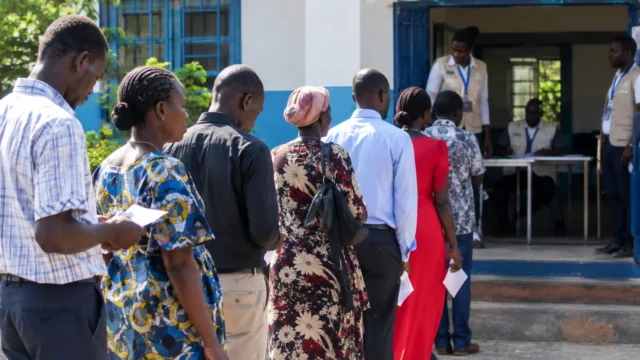
The debate directly concerns parties, candidates and voters. Parties close to the government have an administrative apparatus already in place. Opposition parties, meanwhile, must reach communities, register their candidates and campaign in a still-unstable security environment.
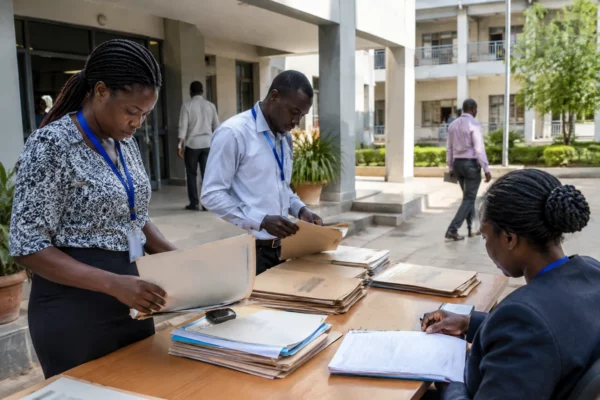
The consequences will not be the same everywhere. In Juba, the authorities can organise electoral operations with greater resources. In rural areas, roads, population movements and insecurity complicate voter registration. Displaced communities may also face obstacles to voting or making their demands heard.
Funding is another critical issue. South Sudan is heavily reliant on oil revenues, while disruptions to the transport of crude through neighbouring Sudan have reduced available resources. Salary arrears, logistical difficulties and the cost of electoral operations may affect turnout and the reliability of the vote.
East Africa’s perspective
The issue extends beyond South Sudan’s borders. The country is a member of the East African Community, the EAC, which promotes economic and political integration among its member states. It is also central to IGAD initiatives; the regional organisation is responsible, in particular, for mediation and conflict prevention in the Horn of Africa.
For these organisations, the challenge is to prevent the electoral transition from reigniting the 2013 conflict. A disputed election held without a minimum political agreement could strain relations between communities and increase displacement in a region already affected by the war in Sudan.
The African Union Peace and Security Council welcomed South Sudan’s commitment to holding credible, transparent and inclusive elections on 22 December 2026. It nevertheless stressed several conditions: an open civic space, the safety of citizens, dispute-resolution mechanisms, and the participation of women, young people and displaced persons.
The coming weeks will therefore be decisive. Attention will focus on the exact composition of the interim administration, the resumption of electoral work, the opposition’s access to the media and communities, and developments in the Riek Machar case. For South Sudanese, the issue is not limited to an election date. It is about the state’s ability to turn a prolonged transition into a political order accepted by the country’s different forces.