Algeria
 Egypt
 Libya
 Morocco
 Sudan
 Tunisia
 Benin
 Burkina Faso
 Cabo Verde
 Côte d'Ivoire
 Ghana
 Guinea
 Guinea-Bissau
 Liberia
 Mali
 Mauritania
 Niger
 Nigeria
 Senegal
 Sierra Leone
 The Gambia
 Togo
 Cameroon
 Central African Republic
 Chad
 DR Congo
 Equatorial Guinea
 Gabon
 Republic of the Congo
 São Tomé and Príncipe
 Burundi
 Comoros
 Djibouti
 Eritrea
 Ethiopia
 Kenya
 Madagascar
 Malawi
 Mauritius
 Mozambique
 Rwanda
 Seychelles
 Somalia
 Tanzania
 Uganda
 Angola
 Botswana
 Eswatini
 Lesotho
 Namibia
 South Africa
 Zambia
 Zimbabwe
A niche crude, but a barometer for Juba
When a cargo of Dar Blend heads to Singapore or Malaysia again, it is more than a market detail. For Juba, it is a sign of budgetary relief. South Sudan remains a country where oil finances most public revenue and a large share of exports. Every recovery in flows therefore matters well beyond the terminals.
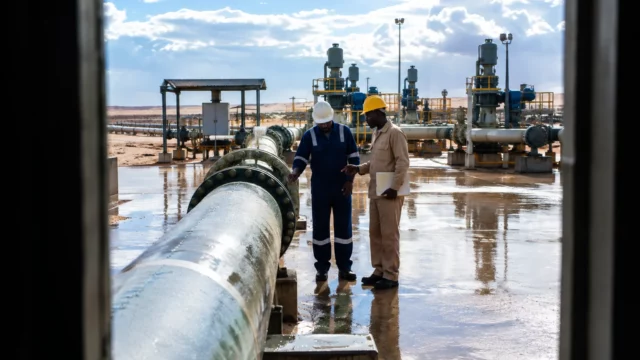
The country is also caught in a sensitive regional environment. A member of the East African Community, South Sudan still depends on a corridor through Sudan to reach the Red Sea. This dependence leaves its exports vulnerable to fighting in the north, infrastructure breakdowns and transit decisions. The World Bank and the African Development Bank both point out that South Sudan’s economy remains heavily reliant on oil, with little room for diversification. The East African regional framework and the stability of the route to Port Sudan therefore have a direct bearing on Juba’s finances.
Cargoes return to their usual markets
Since August, a larger share of Dar Blend crude has been returning to marine fuel blending centres in Singapore and Malaysia. The shift is clear. Chinese imports, meanwhile, have dried up after several months of purchases. Market data cited by Reuters indicate that about 1.7 million barrels were shipped to Singapore and Malaysia over the period observed, while volumes bound for China fell to zero.
This shift reflects changes in the Asian market. When tensions arose over supplies of heavy crude in the Middle East, some Chinese refineries turned to Dar Blend. This heavy, low-sulphur oil is used in particular to produce low-sulphur marine fuel, a product sought after to meet the international limit of 0.5% sulphur in marine fuels. When alternative supplies recovered, Chinese demand ebbed.
The return to former markets is therefore nothing exceptional. Before this Chinese interlude, Dar Blend already supplied Singapore, Malaysia and the Fujairah hub in the United Arab Emirates. South Sudan has not created a new market. It has returned to a more familiar trade route, better suited to the geography of refining and marine fuel blending in Asia.
An immediate boost to exports, not an end to the crisis
For Juba, the news is positive, but it does not solve anything on its own. South Sudanese oil flows resumed after a long interruption caused by a pipeline rupture in 2024. Exports via Sudan then restarted in spring 2025, after repairs. Industry tracking sources estimate that the country is now exporting an average of around 2.6 million barrels a month this year, compared with about 1.9 million in 2025. This represents a real recovery in flows, but from a still fragile base.
This fragility has three causes. First, infrastructure. South Sudanese oil passes through a lengthy chain exposed to damage, shutdowns and armed tensions in the neighbouring country. Second, the economic structure. The African Development Bank estimates that the economy remains massively dependent on oil, which accounts for more than 80% of GDP, nearly 95% of exports and most budget revenue. Finally, demand itself fluctuates with Asian refiners’ choices, freight rates and environmental standards for maritime transport.
The World Bank, for its part, says that the recovery in crude oil production can support an economic rebound in the short term, but only if exports remain stable. In short, South Sudan can breathe when the barrels are flowing. It cannot yet transform itself while oil revenues remain the almost sole pillar of its finances. The World Bank’s assessment of South Sudan’s economy makes the same point.
What this shift says about the region
The issue extends far beyond South Sudan alone. It shows how the war in Sudan continues to weigh on neighbouring economies, even when they are not directly involved in the fighting. The pipeline, pumping stations and transit terminals have become critical regional assets. When they are disrupted, Juba’s entire fiscal balance is shaken, as are some of the energy routes linking the Red Sea, the Gulf of Aden and Asia.
There is also a market dimension. Asian refineries and blending centres are constantly seeking heavy crudes suited to low-sulphur marine fuel. Dar Blend therefore has strategic value beyond its South Sudanese origin. Its return to Singapore and Malaysia could affect marine fuel price differentials in the region, although the decline remains limited by the scarcity of other blending components. In other words, oil produced near Juba can have a marginal impact on a logistics market thousands of kilometres away.
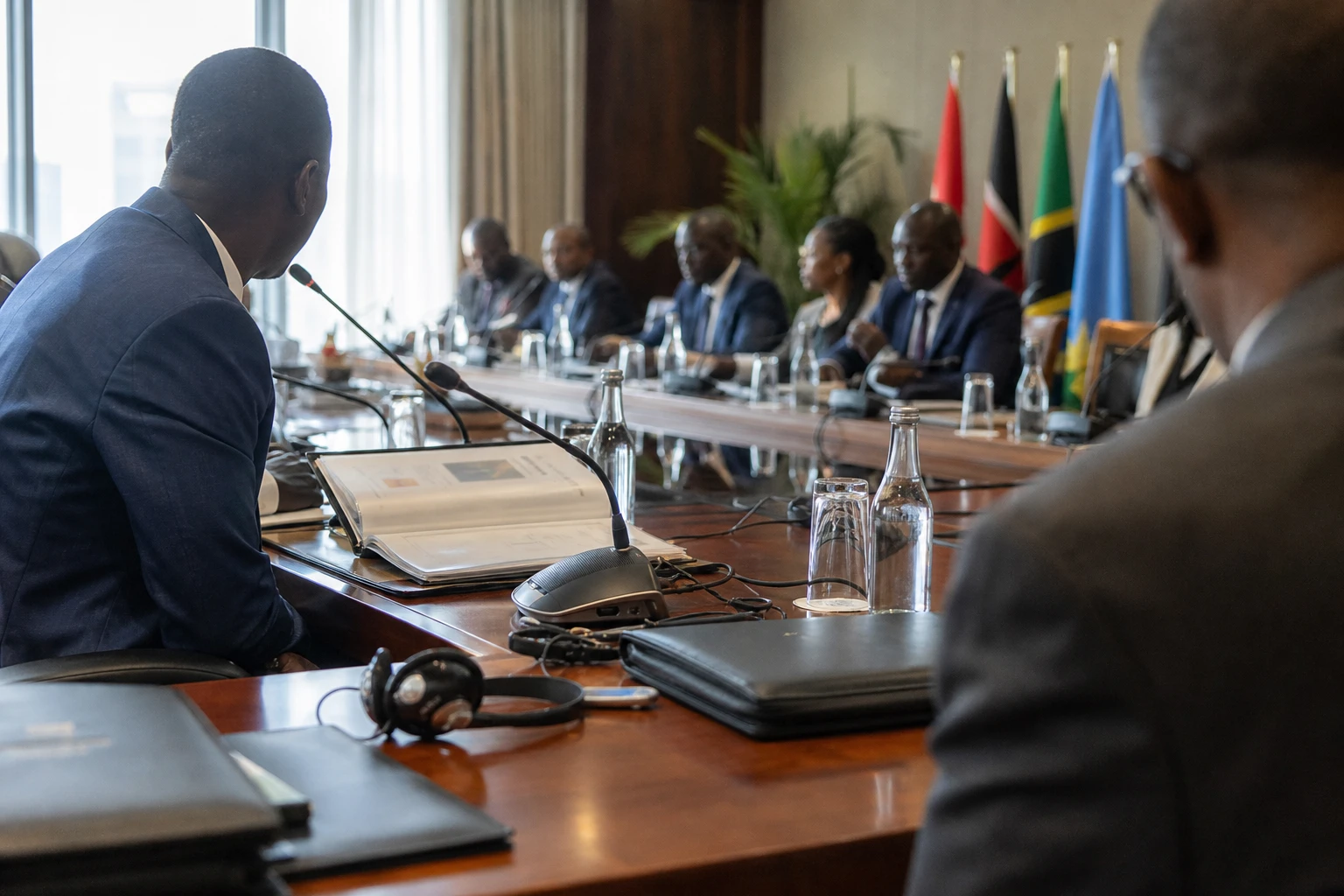
Politically, this recovery is also a reminder of South Sudan’s dependence on regional stability. The country is a member of IGAD and the East African Community. Its economic future therefore also depends on cooperation mechanisms, the security of corridors and the protection of cross-border infrastructure. Until these conditions are consolidated, every rise in exports will remain a useful but temporary victory for Juba’s finances.