Algeria
 Egypt
 Libya
 Morocco
 Sudan
 Tunisia
 Benin
 Burkina Faso
 Cabo Verde
 Côte d'Ivoire
 Ghana
 Guinea
 Guinea-Bissau
 Liberia
 Mali
 Mauritania
 Niger
 Nigeria
 Senegal
 Sierra Leone
 The Gambia
 Togo
 Cameroon
 Central African Republic
 Chad
 DR Congo
 Equatorial Guinea
 Gabon
 Republic of the Congo
 São Tomé and Príncipe
 Burundi
 Comoros
 Djibouti
 Eritrea
 Ethiopia
 Kenya
 Madagascar
 Malawi
 Mauritius
 Mozambique
 Rwanda
 Seychelles
 Somalia
 South Sudan
 Tanzania
 Uganda
 Angola
 Botswana
 Eswatini
 Lesotho
 Namibia
 Zambia
 Zimbabwe
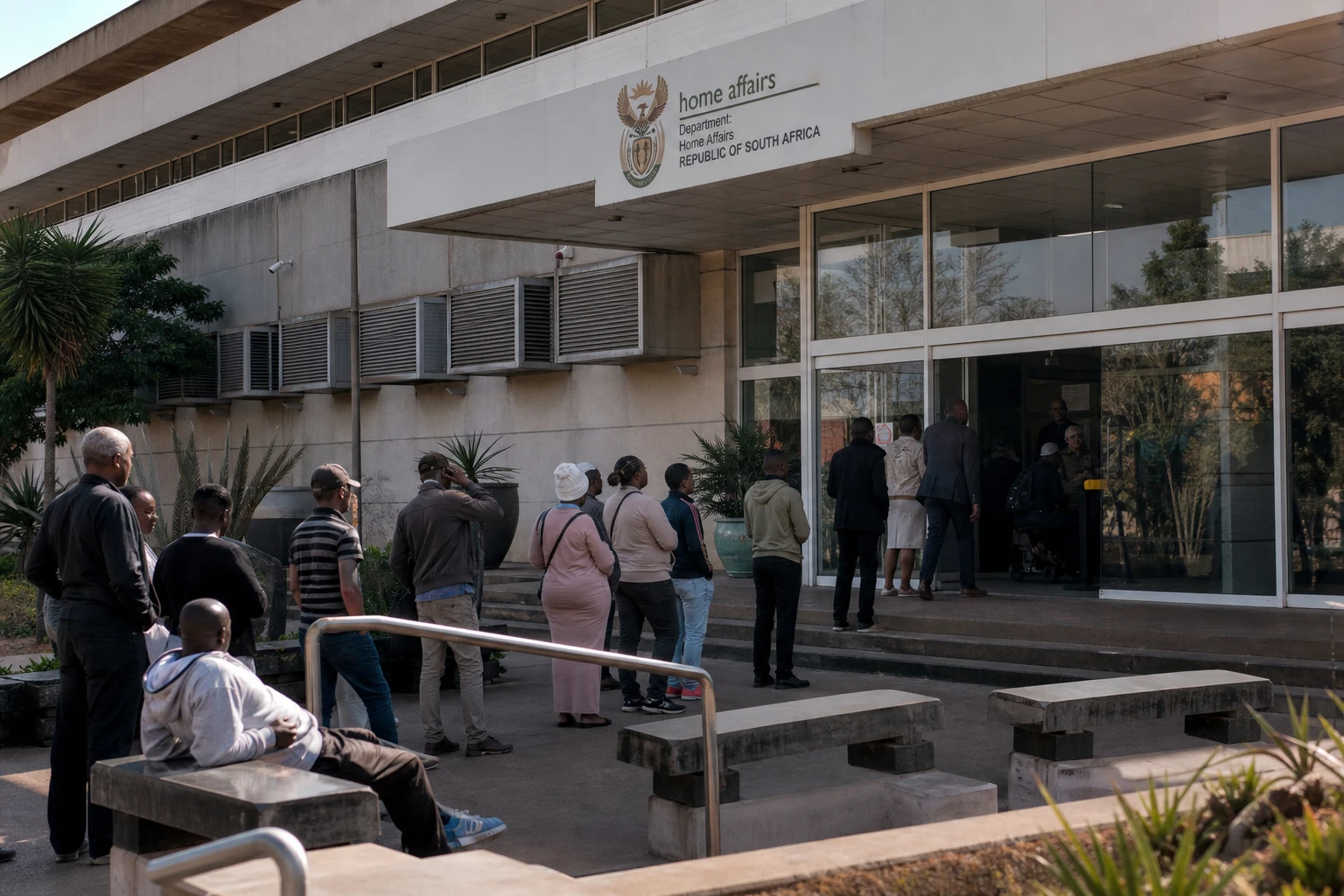
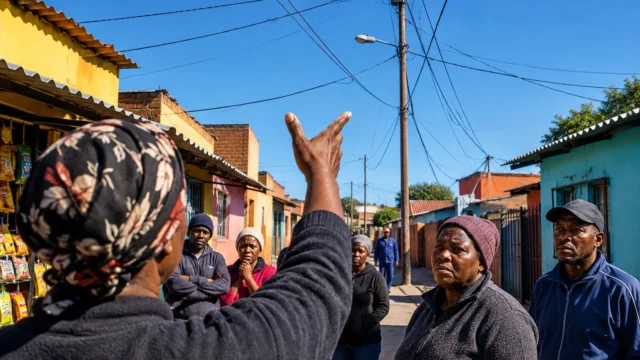
In several South African cities, the line between immigration checks and street harassment is becoming increasingly blurred. For foreign shopkeepers, tenants and passers-by who are targeted, the danger is not merely administrative: it affects their daily safety, their freedom to work and their right to remain in their homes. Amnesty International has sounded the alarm over this trend at a time when migration has become a central issue in public debate in South Africa.
The stakes extend far beyond those directly targeted. In a country marked by high unemployment, persistent inequality and tensions surrounding the informal economy, foreigners are all too often an easy target. The movement of workers, traders and families has long been a feature of southern Africa. It is also governed by clear rules. Pretoria, like other SADC capitals, must therefore manage mobility without allowing private groups to take the place of the state.
Illegal checks highlight the limits of the rule of law
The message from human rights advocates is clear: in South Africa, only legally authorised officials may demand identity documents or enforce immigration law. The South African government itself has reiterated this several times in recent weeks. The Department of Home Affairs and the Inter-Ministerial Committee on Migration have stressed a simple point: no unauthorised person may demand papers or carry out checks on behalf of the state.
This is precisely where the problem lies. Amnesty International describes vigilante groups that have allegedly conducted illegal checks, forced people to leave their shops or homes and subjected some to public humiliation. Northern Cape police have also warned about individuals posing as officials or acting under the pretext of combating irregular immigration. The convergence of warnings from advocacy groups and police lends weight to the alert: the phenomenon is no longer marginal; it is now visible enough to prompt official clarifications.
The legal framework, however, leaves no room for doubt. The Immigration Act of 2002 governs the admission, residence and departure of people in South Africa. The powers to conduct checks belong to the relevant authorities and law-enforcement agencies, not to organised groups or self-appointed neighbours. The issue is therefore not merely political. It is institutional. When civilians replace the authorities, the line between public order and intimidation becomes blurred.
Long-standing tensions stoked by social and political pressure
The current climate is also explained by the rise of anti-immigration mobilisation in several provinces. The March and March movement set a 30 June deadline for undocumented foreigners, before demonstrations continued beyond that date. South African media have documented the campaign, its marches in Pretoria and elsewhere, and the concern it has caused among many foreigners, particularly shopkeepers based in urban centres.
In the face of this pressure, the government is trying to regain control. It says it is pursuing a policy based on the Constitution, human dignity and the state’s responsibility to enforce the law. It has also launched a five-point approach to managing irregular migration: border security, combating corruption, law enforcement, tackling violence and reviewing the legislative framework. But this official position runs up against a harsher reality on the ground: in some neighbourhoods, fear spreads faster than official statements.
This situation first weakens those most exposed. Foreign shopkeepers, often active in the informal economy, depend on their shops to make a living. When they are forced to close or leave a neighbourhood under duress, incomes, stock and sometimes years of having established themselves disappear. Residents, meanwhile, see mistrust grow. Municipalities are also affected, as they have to manage security, local tensions and coexistence between South African residents and migrants in urban areas already under pressure.
The political risk is even broader. South Africa has already paid a heavy price for outbreaks of xenophobic violence. In 2008, the violence claimed 62 lives, according to figures corroborated by the authorities and UN agencies. That memory remains present. It means current tensions must be read not as a passing flare-up, but as a sign of lasting fragility in South Africa’s social compact.
What Pretoria will need to monitor in the coming weeks
What happens next will play out on two fronts: the police and judicial response, and the government’s ability to enforce the law without encouraging abuses or fuelling rhetoric targeting foreigners. If announced investigations go nowhere, groups conducting illegal checks will see this as a form of tolerance. If, by contrast, prosecutions are visible and consistent, Pretoria will be able to reassert the authority of the state.
At the regional level, the issue directly concerns SADC, which regards free movement, economic integration and police co-operation as strategic priorities. At the continental level, it also relates to the African Union’s vision of a more connected, mobile and safer Africa for its citizens. The South African debate is therefore not limited to a domestic crisis. It tests how a major host country manages African mobility without abandoning the rule of law or human dignity.