Algeria
 Egypt
 Libya
 Morocco
 Sudan
 Tunisia
 Benin
 Burkina Faso
 Cabo Verde
 Côte d'Ivoire
 Ghana
 Guinea
 Guinea-Bissau
 Liberia
 Mali
 Mauritania
 Niger
 Nigeria
 Senegal
 Sierra Leone
 The Gambia
 Togo
 Cameroon
 Central African Republic
 Chad
 DR Congo
 Equatorial Guinea
 Gabon
 Republic of the Congo
 São Tomé and Príncipe
 Burundi
 Comoros
 Djibouti
 Eritrea
 Ethiopia
 Kenya
 Madagascar
 Malawi
 Mauritius
 Mozambique
 Rwanda
 Seychelles
 South Sudan
 Tanzania
 Uganda
 Angola
 Botswana
 Eswatini
 Lesotho
 Namibia
 South Africa
 Zambia
 Zimbabwe
A crisis that goes beyond the numbers
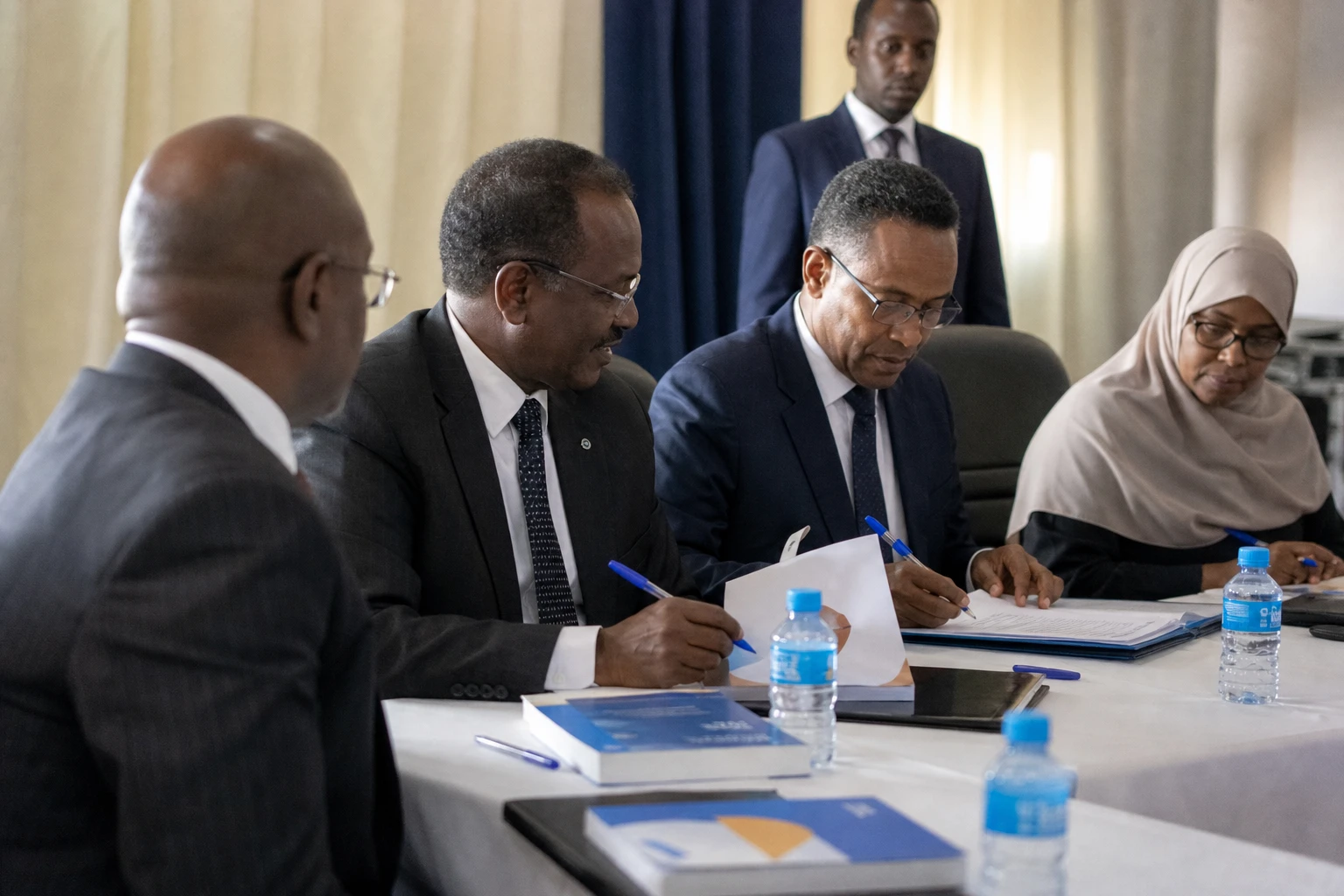
In Somalia, hunger is no longer measured only in statistics. It can be seen in displacement camps, in villages where crops have failed, and in queues outside nutrition centres in Mogadishu and the southern regions. The country is entering a new phase of food insecurity, even as international aid contracts.
The latest monitoring by United Nations agencies puts the number of Somalis exposed to acute hunger at 6.5 million between February and March 2026, or about a third of the population. At the same time, nearly 1.84 million children under five are projected to suffer acute malnutrition this year, including about 483,000 severe cases. This shift is no isolated accident. It is the result of a lasting mix of drought, displacement, insecurity and insufficient funding.
Somalia faces eroding aid
The World Food Programme says it now has about 10% of the resources it had in 2022, when Somalia narrowly avoided famine. This reduction changes everything. It forces teams to target aid more tightly, prioritising the worst-affected children, without being able to extend assistance to mothers or increase rations for the most vulnerable families.
The mechanism is simple, but brutal. When donors cut their contributions or redirect funds to other crises, aid pipelines shrink. In Somalia, this means fewer distributions, less nutritional support and less capacity to prevent a rapid deterioration in areas already at risk. The IPC, the Integrated Food Security Phase Classification, also reports a 27% drop in humanitarian assistance in January 2026 compared with the previous year.
In the south of the country, particularly in areas affected by internal displacement, the impact is immediate. Families who have left their land lose their agricultural income, livestock and support networks all at once. In Qoryoley, in Lower Shabelle, as in other southern districts, many depend on casual day labour, precarious markets or informal activities. When that income stops, the day’s meal disappears with it.
What the Somali crisis reveals
Somalia is part of the IGAD area of operation, the Intergovernmental Authority on Development, a region where drought, conflict and displacement often intersect with a high dependence on external aid. The Somali case also highlights a broader reality in the Horn of Africa: when a climate shock strikes a fragile economy, food security becomes a matter of national survival, not just humanitarian assistance.
Children are the first to be affected, but they are not alone. Pregnant or breastfeeding mothers, female-headed households, displaced people and rural families without reliable access to water face greater risks. UNICEF estimates that Somalia will face a sharp deterioration in humanitarian conditions in 2026, with at least 4.8 million people in urgent need of assistance. The agency also stresses that the nutrition crisis is putting pressure on an already fragile health system.
This pressure affects more than rural areas. Cities are also absorbing some of the displaced, increasing demand for water, healthcare and food in the outlying districts of Mogadishu and other urban centres. In a country where the informal economy dominates, the loss of a small daily income can push an entire household into food insecurity within days.
The recurring risk of famine in Somalia also raises questions about the humanitarian system’s ability to sustain its response over time. In 2022, the emergency mobilised substantial resources. In 2026, the same warning signs are present, but the room to respond has narrowed. The coming weeks will be decisive, as the rainy season may ease some effects of the drought, but cannot by itself remedy the lack of resources or access constraints.